
 Save
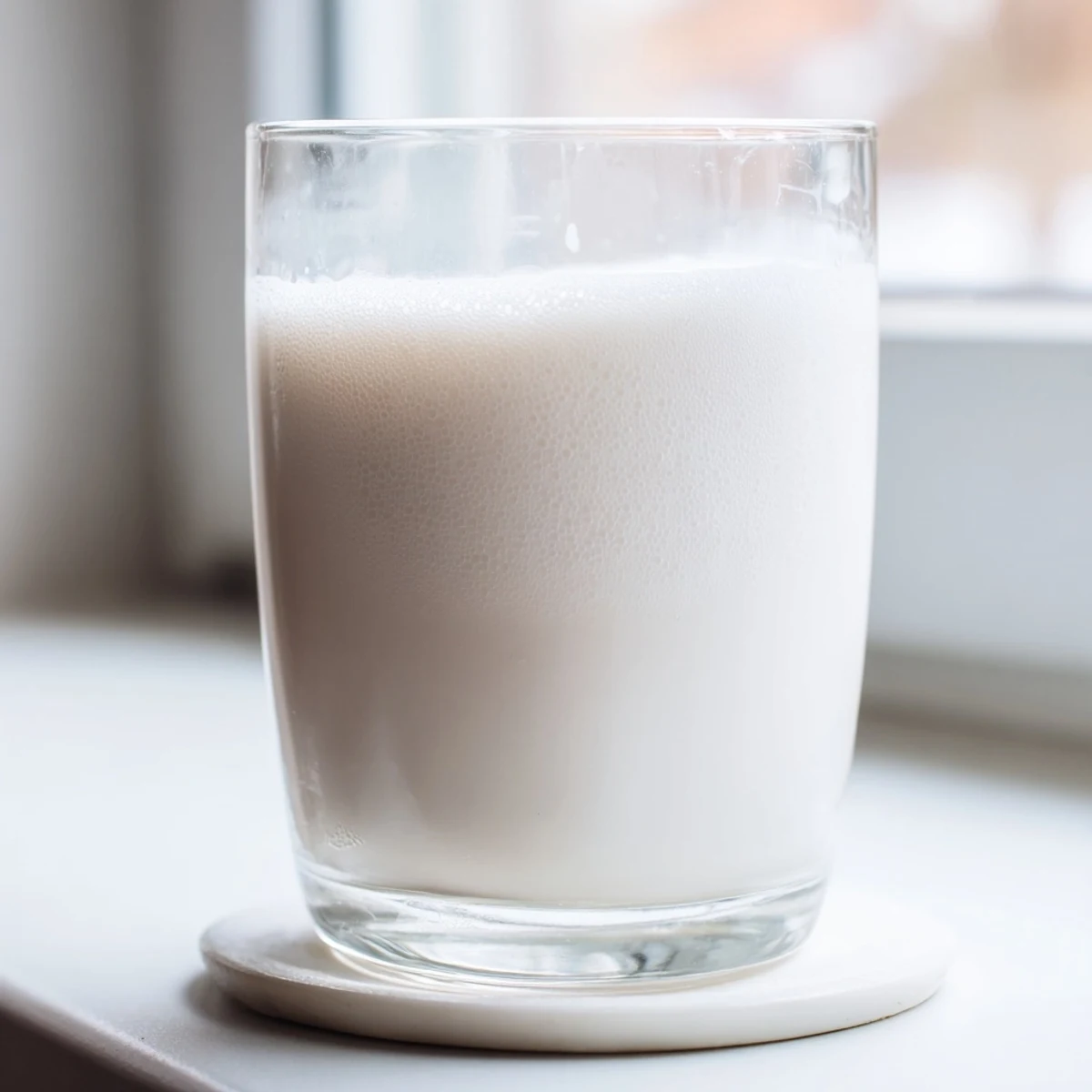
Save Craft your own creamy almond milk with just two base ingredients—raw almonds and filtered water. This versatile dairy-free alternative delivers naturally sweet flavor without additives or preservatives. The process involves soaking almonds overnight, blending until smooth and frothy, then straining through a nut milk bag for silky results. Customize with maple syrup, vanilla, or dates for enhanced sweetness. Keep refrigerated and shake before each use.
My blender was a wedding gift that sat untouched for two years until a Tuesday morning when store bought almond milk tasted like liquid cardboard and something in me snapped. I grabbed a bag of raw almonds, soaked them overnight out of sheer stubbornness, and blitzed them the next morning with filtered water. The result was silky, faintly sweet, and entirely unlike anything from a carton. I have not bought nut milk since.
I brought a jar of this to my friend Sarahs brunch last spring and watched three people abandon their oat milk lattes mid sip to ask what was in mine. There is something about the clean sweetness of homemade almond milk that makes people pause and actually taste their coffee instead of just swallowing it.
Ingredients
- 1 cup raw almonds: Use truly raw unsalted almonds, not roasted, because roasting changes the flavor entirely and reduces creaminess.
- 4 cups filtered water: Filtered water matters here since tap water chlorine can clash with the delicate almond flavor.
- 1 to 2 tablespoons maple syrup: A gentle sweetener that blends seamlessly, though you can skip it entirely for unsweetened milk.
- 1 teaspoon vanilla extract: This lifts the whole batch from plain to something that tastes almost indulgent in coffee.
- Pinch of sea salt: Just a tiny pinch enhances the natural sweetness without making it taste salty.
- 1 to 2 pitted dates: An optional whole food sweetener that also adds body and a slight caramel note.
Instructions
- Soak and soften:
- Cover the almonds with plenty of water and let them soak overnight or at least eight hours until they plump up and the skins slip off easily between your fingers.
- Blend until frothy:
- Drain the soaked almonds, toss them into your blender with four cups of fresh filtered water and any flavorings, then blend on high for one to two minutes until the mixture turns creamy white and beautifully frothy on top.
- Squeeze every drop:
- Pour the mixture through a nut milk bag or fine mesh strainer over a large bowl and squeeze firmly with your hands until the pulp feels nearly dry and you have extracted every bit of liquid.
- Bottle and chill:
- Transfer the strained milk into a clean glass bottle or jar, pop it in the refrigerator, and give it a good shake before each pour since natural separation is completely normal and actually a good sign.
 Save
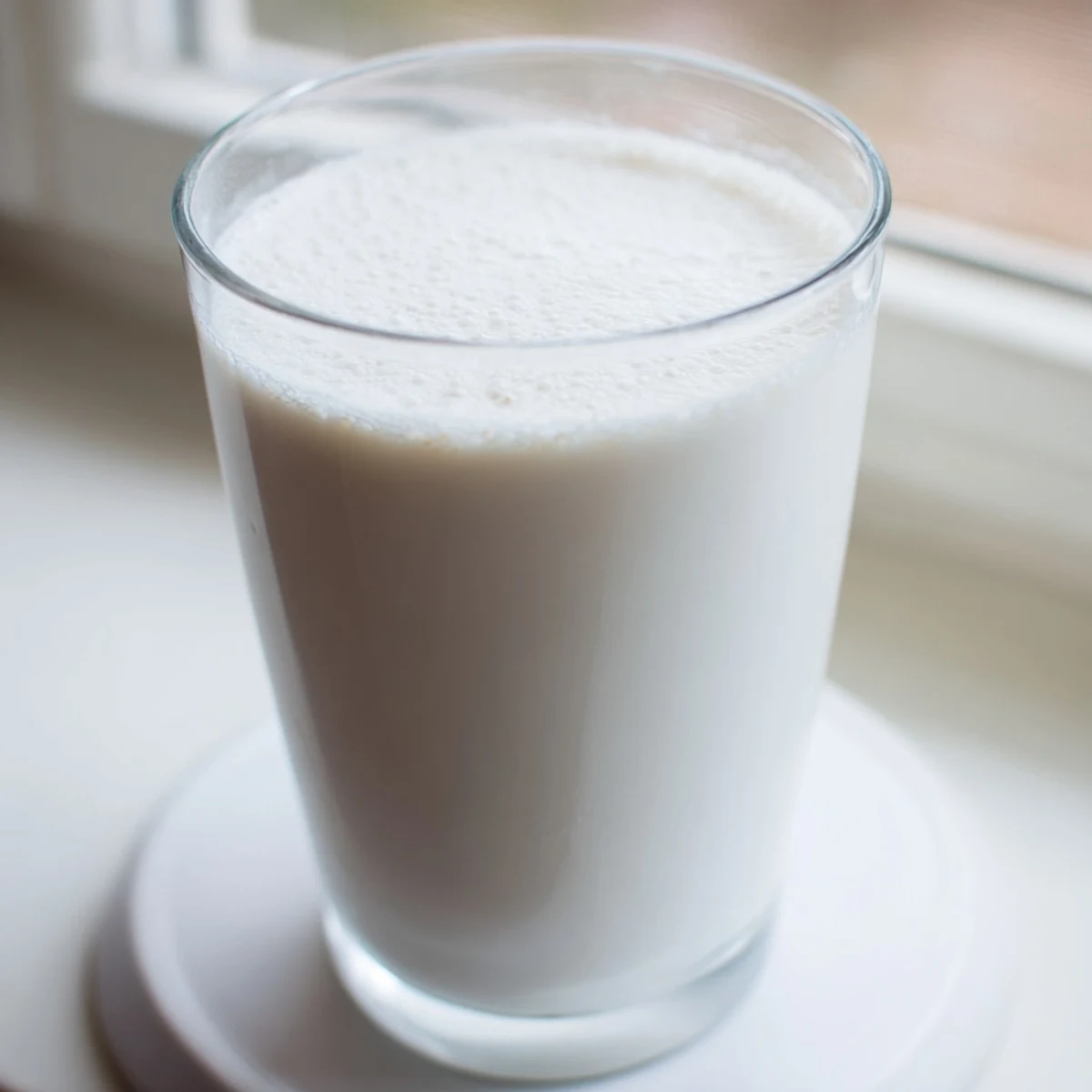
Save Pouring this over warm oatmeal on a cold January morning while the kitchen windows fogged up felt like a small act of care toward myself that cost almost nothing but changed everything about breakfast.
Getting the Consistency Right
The ratio of almonds to water is really a personal preference masquerading as a rule. Four cups of water to one cup of soaked almonds gives you something close to whole milk in richness, but if you want a lighter version for daily sipping, try five or even six cups and adjust until it feels right in your mouth.
Flavor Variations Worth Trying
Once you have the basic method down the flavor possibilities open up wide. A tablespoon of cocoa powder and a drizzle of maple turns this into chocolate milk that kids devour without questioning. A cinnamon stick dropped into the storage jar infuses overnight into something that tastes like a hug in a glass.
Storage and Freshness
Homemade almond milk lasts about four days in the refrigerator because it has no preservatives, which is both its greatest strength and its one inconvenience. I always write the date on the jar with a grease pencil so I never have to guess. If you notice a slight sour smell or the flavor sharpens, it has passed its prime and should go straight to the compost. A few small habits make this easy to maintain as a weekly routine.
- Make a double batch on Sunday to get through most of the workweek without thinking about it.
- Freeze any extra in ice cube trays for smoothies so nothing ever goes to waste.
- Always shake well before pouring since separation means nothing is wrong and everything is right.
 Save
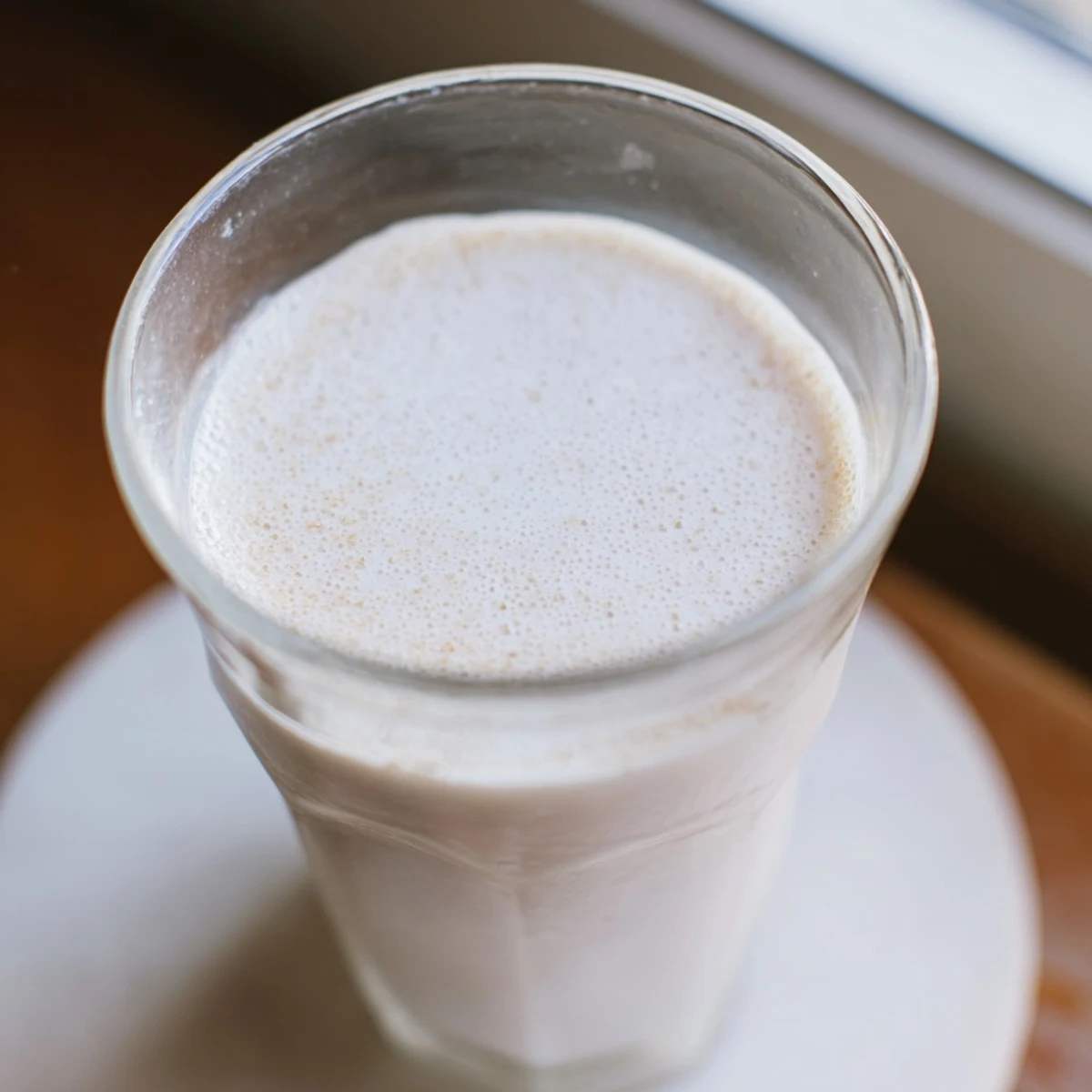
Save Once you taste almond milk made from nothing but almonds, water, and a few minutes of your morning, going back to the store bought version feels like settling. Your coffee, your cereal, and your smoothies deserve this upgrade.
Recipe FAQs
- → Do I need to soak the almonds?
-
Soaking almonds for at least 8 hours or overnight softens them, making blending easier and yielding smoother milk. This step also helps release nutrients and improves digestibility.
- → How long does homemade almond milk last?
-
Store in a sealed glass container in the refrigerator for up to 4 days. Shake well before pouring as natural separation occurs. Fresh almond milk lacks preservatives found in commercial versions.
- → Can I use the leftover almond pulp?
-
The remaining pulp works beautifully in smoothies, baked goods like muffins or cookies, or dried and ground into almond flour. It adds fiber and nutrients without waste.
- → What if I don't have a nut milk bag?
-
Fine mesh strainers, cheesecloth layered multiple times, or even clean cotton towels work effectively. Squeeze firmly to extract maximum liquid and achieve creamy consistency.
- → Can I make this without sweeteners?
-
Absolutely. Pure almond milk with just almonds and water creates a naturally subtle sweetness. Add vanilla or a pinch of salt to enhance flavor without sugar.