
 Save
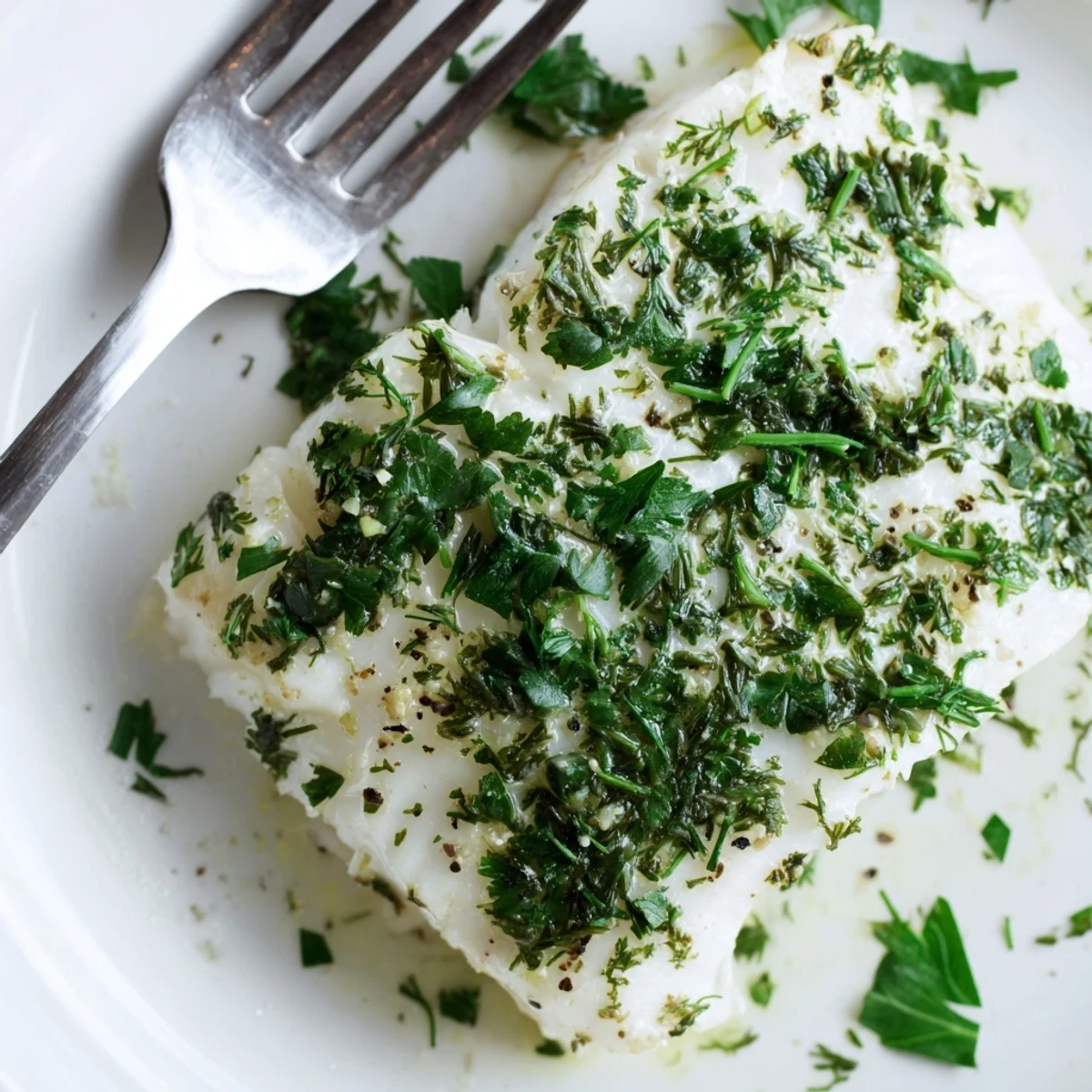
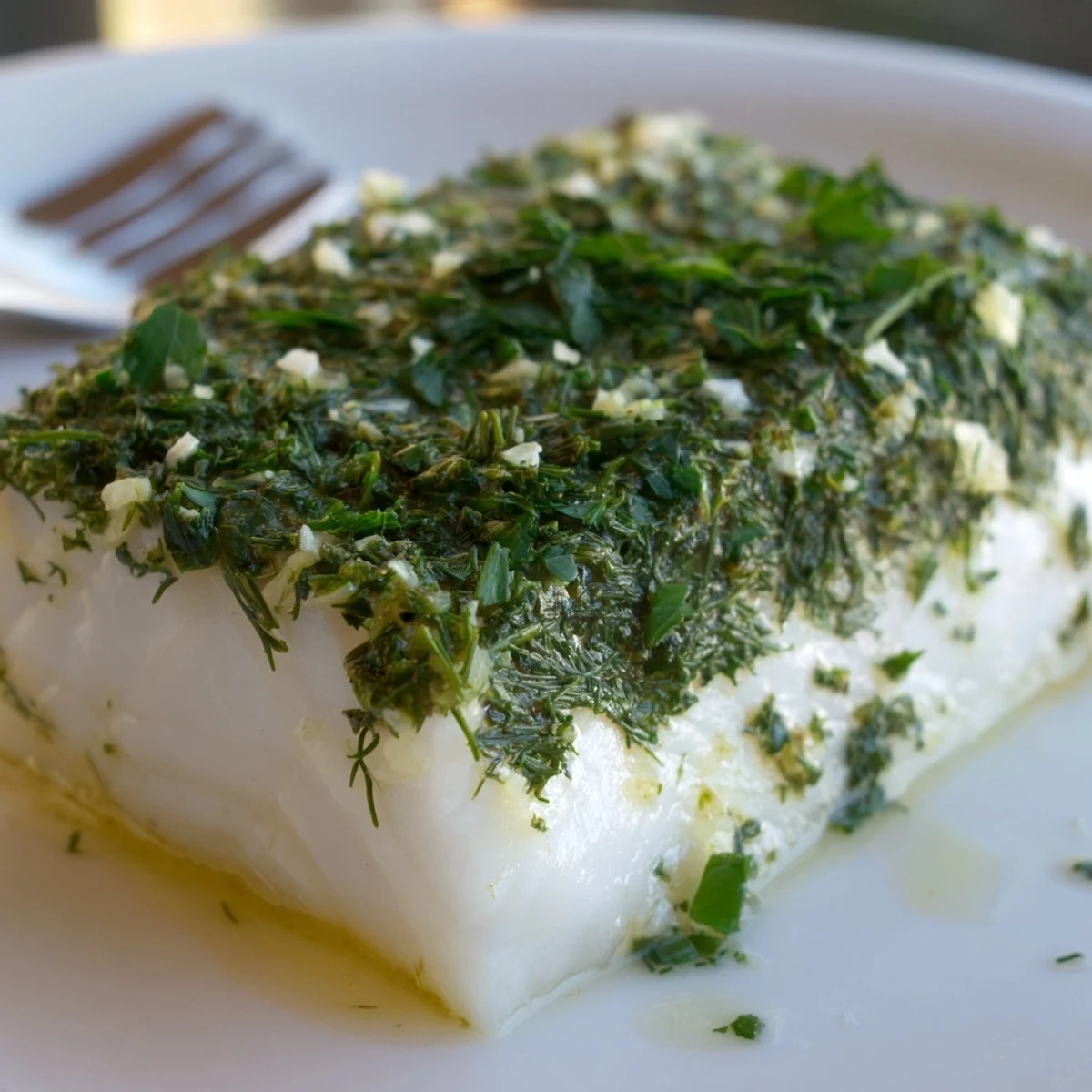
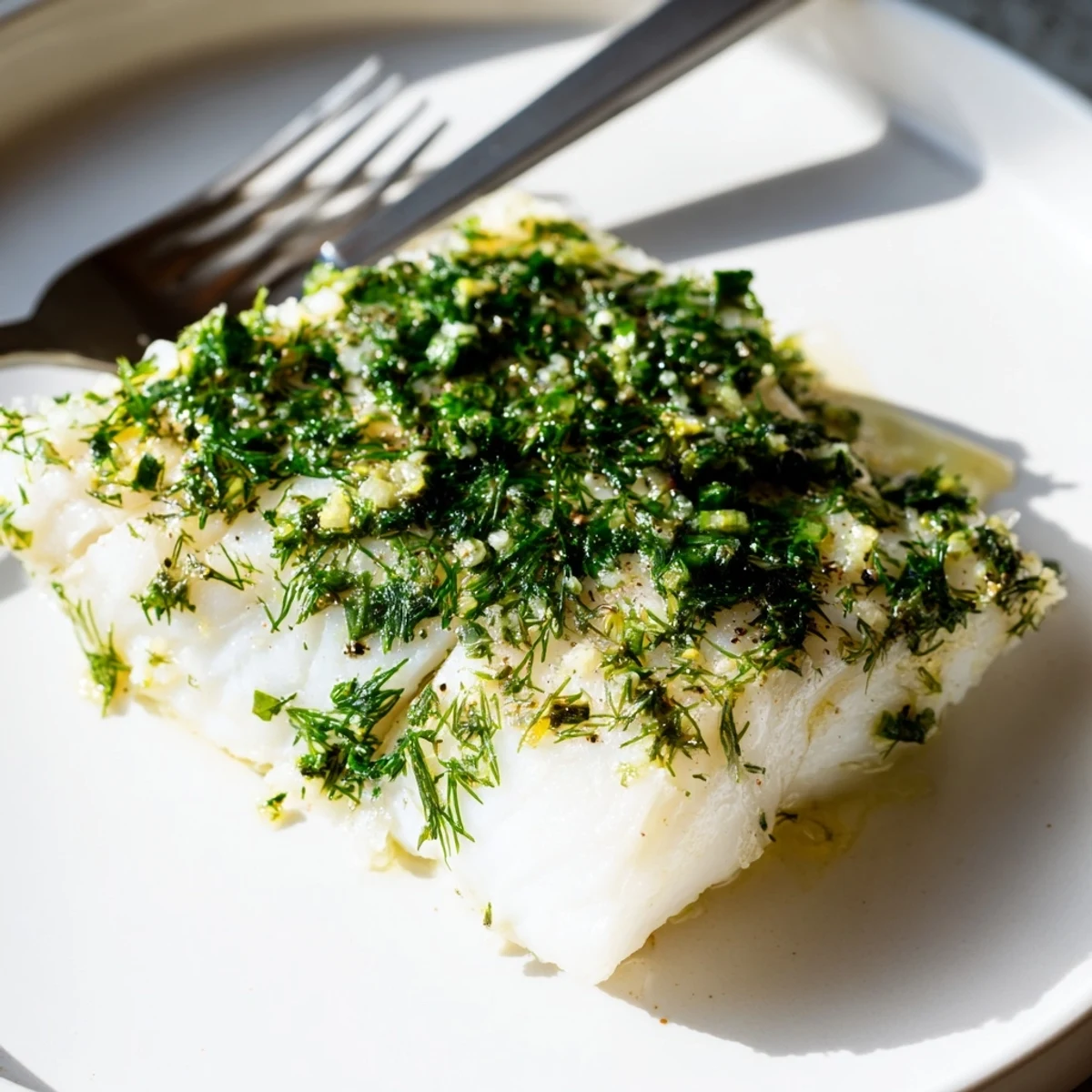
Save This dish features halibut fillets gently baked at 200°C with a vibrant blend of fresh parsley, dill, chives, garlic, lemon zest, and extra-virgin olive oil. The quick preparation and baking allow the fish to remain moist and flaky, while the herbs provide bright, aromatic notes. Ideal for a gluten-free and low-carb option, it pairs beautifully with steamed vegetables, rice, or a crisp white wine. Optional garnishes like lemon wedges and extra herbs add freshness and color.
I was standing at the fish counter, staring at the halibut fillets, when the fishmonger said they'd arrived that morning. I bought four without a plan, just trusting that something simple would come to me. Back home, I pulled out whatever herbs were left in the fridge and a lemon, and that quiet evening turned into one of the easiest, most satisfying dinners I've made.
The first time I made this for friends, I was worried the fish would dry out or taste bland. Instead, it came out tender and fragrant, and everyone asked for the recipe. One friend even scraped the leftover herb oil from the pan onto her rice, which I now do every single time.
Ingredients
- Halibut fillets: Look for thick, even pieces so they cook at the same rate, and always pat them dry before seasoning or they won't brown properly.
- Fresh parsley: This is the backbone of the herb mix, adding a grassy brightness that balances the richness of the fish.
- Fresh dill: It brings a delicate, almost floral note that pairs beautifully with seafood, especially when it's this mild and flaky.
- Fresh chives: They add a subtle onion flavor without overpowering the other herbs, and they look lovely scattered on top.
- Garlic cloves: Mince them finely so they melt into the oil and coat every bite without leaving harsh raw chunks.
- Sea salt and black pepper: Use more than you think you need, fish can handle it, and proper seasoning makes all the difference.
- Extra-virgin olive oil: This is what carries the flavors and keeps the fish moist, so use something you'd happily dip bread into.
- Lemon: Both the zest and juice are essential, the zest gives aromatic oils and the juice cuts through the richness with acidity.
- Lemon wedges and extra herbs: They're optional, but a fresh squeeze at the table and a sprinkle of green make it feel complete.
Instructions
- Prepare the oven and dish:
- Preheat your oven to 200°C (400°F) and line a baking dish with parchment or brush it lightly with olive oil. This keeps cleanup easy and prevents sticking.
- Prep the fish:
- Pat the halibut fillets completely dry with paper towels and arrange them in the dish with a little space between each one. Moisture on the surface will steam the fish instead of letting it bake evenly.
- Make the herb mixture:
- In a small bowl, stir together the parsley, dill, chives, garlic, salt, pepper, olive oil, lemon zest, and lemon juice until it looks like a loose, fragrant paste. Taste it if you want, it should be bold and zippy.
- Coat the fillets:
- Spoon the herb mixture over each fillet, spreading it gently with the back of the spoon so it clings to the surface. Don't be shy, this is where all the flavor lives.
- Bake:
- Slide the dish into the oven and bake for 12 to 15 minutes, checking at 12 if your fillets are on the thinner side. The fish is done when it flakes easily with a fork and looks opaque all the way through.
- Serve:
- Transfer the fillets to plates immediately, spooning any herb oil left in the dish over the top. Garnish with lemon wedges and a handful of fresh herbs if you have them.
 Save
Save My mother tasted this once and said it reminded her of summers by the coast, even though I made it in the middle of winter. That's when I realized that good fish doesn't need much, just respect and a handful of fresh things to let it shine.
Swaps and Variations
If you can't find halibut, cod, haddock, or sea bass work just as well, though cooking time might shift a minute or two depending on thickness. I've also added a pinch of chili flakes to the herb mix when I wanted a little warmth, and it played nicely with the lemon. For a richer finish, dot the fillets with a tiny bit of butter before baking.
What to Serve It With
I usually keep the sides simple so the fish stays the star. Steamed green beans, roasted asparagus, or a handful of baby potatoes tossed in olive oil all work beautifully. A light salad with arugula and shaved fennel is lovely too, especially if you dress it with the same lemon and olive oil from the fish.
Storage and Reheating
Leftovers keep in an airtight container in the fridge for up to two days, though fish is always best the day you make it. If you do reheat, do it gently in a low oven or eat it cold flaked over a salad, microwaving tends to make it rubbery.
- Store the herb mixture separately if you're meal prepping, it stays vibrant longer that way.
- Leftover baked halibut makes a surprisingly good fish taco filling with a little cabbage and lime.
- If you're cooking for one, halve the recipe easily, it scales down without any fuss.
 Save
Save This is the kind of recipe I reach for when I want to feel like I'm taking care of myself without spending an hour in the kitchen. It's proof that the best meals don't need to be complicated, just honest and made with care.
Recipe FAQs
- → How do I ensure the fish stays moist when baking?
-
Pat the fillets dry before applying the herb and oil mixture, then bake just until opaque and flaky, usually around 12-15 minutes at 200°C.
- → Can I substitute halibut with other fish?
-
Yes, similar firm white fish like cod, haddock, or sea bass work well with this herb and lemon preparation.
- → What herbs enhance the flavor best?
-
Fresh parsley, dill, and chives complement the mild fish with bright, fresh notes.
- → Is it possible to add some heat to this dish?
-
A light sprinkle of chili flakes mixed into the herb blend provides a subtle spicy kick without overpowering the flavors.
- → What are ideal side dishes to serve with this halibut?
-
Steamed vegetables, a fresh salad, or light grains like rice pair nicely, balancing the dish's lightness and herbaceous flavors.