
 Save
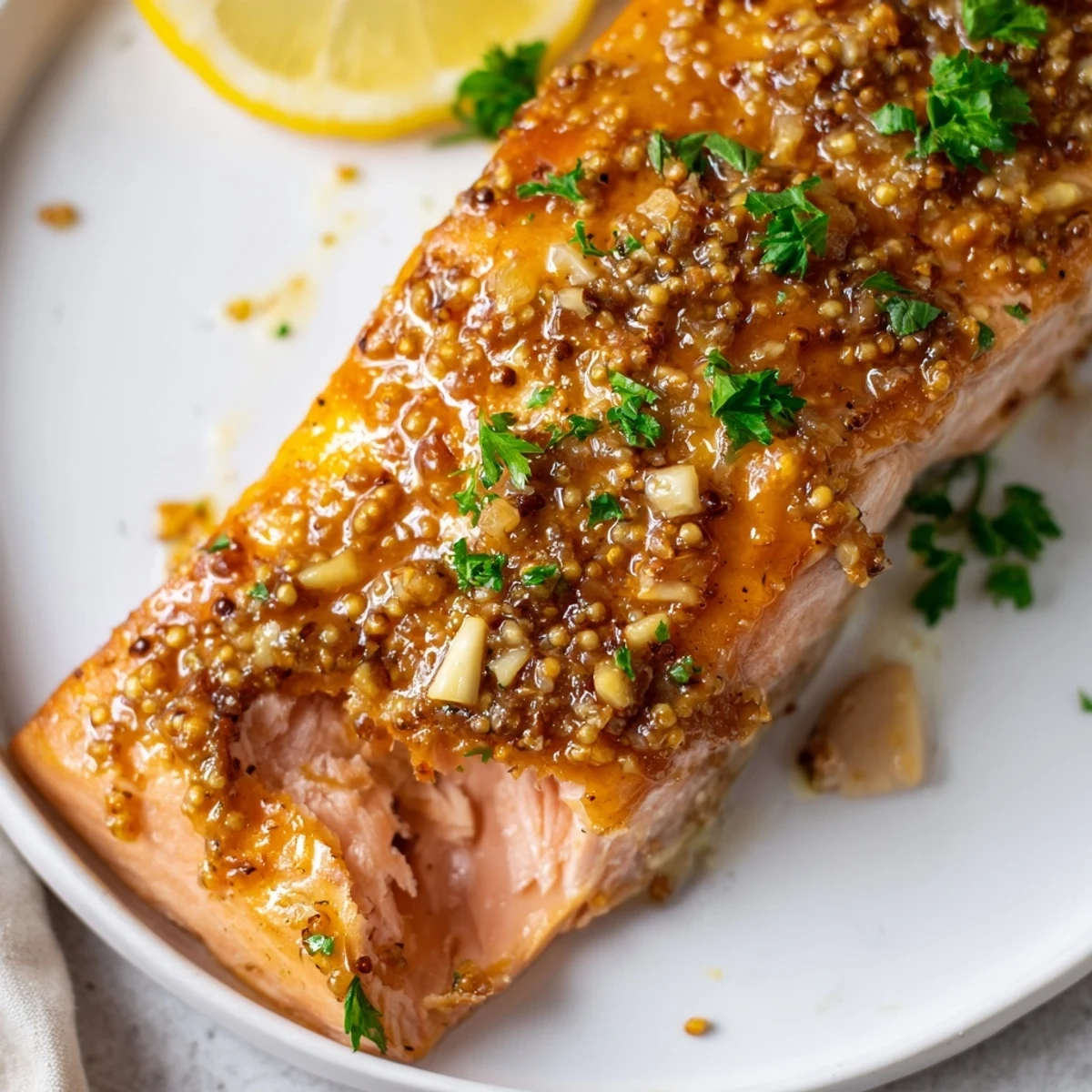
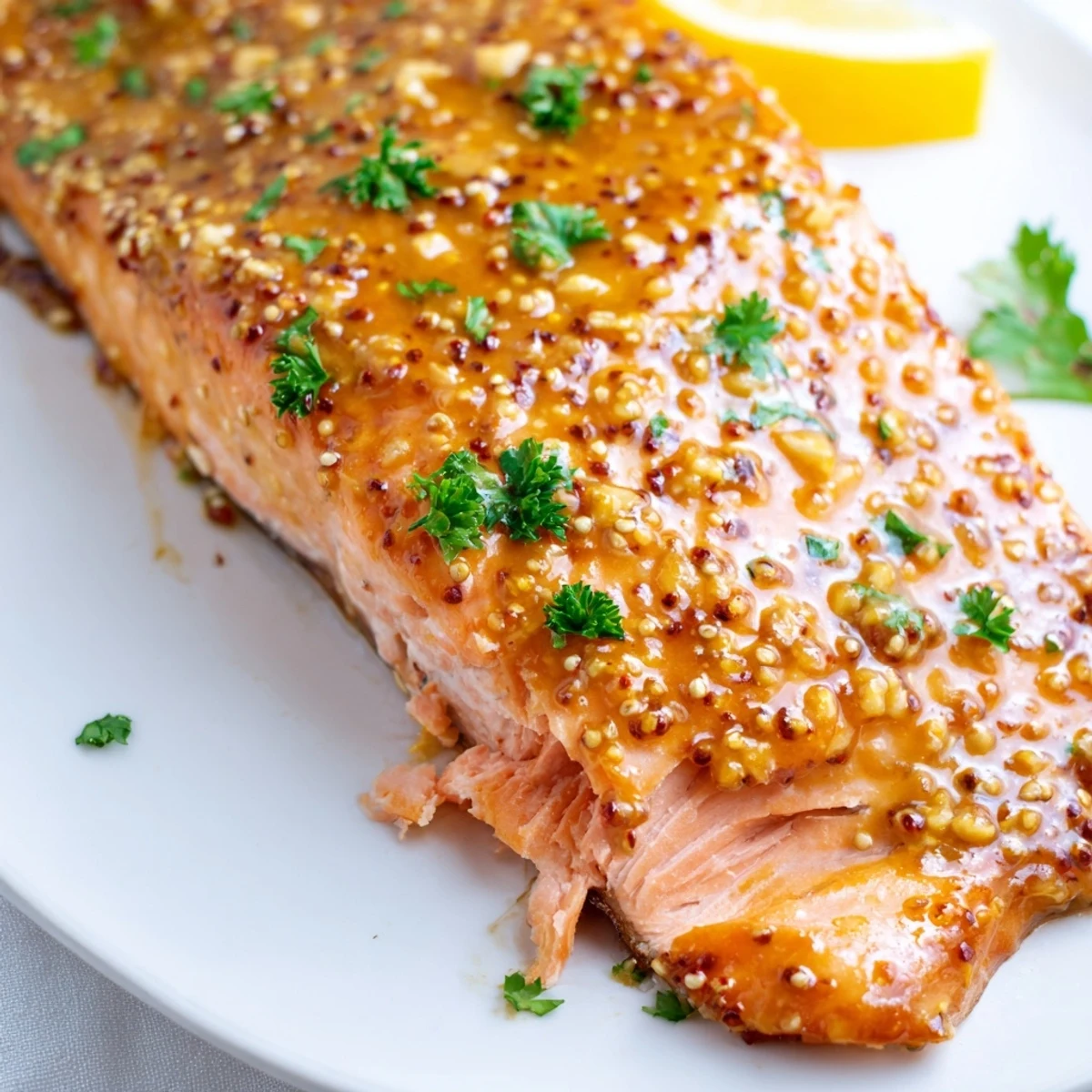
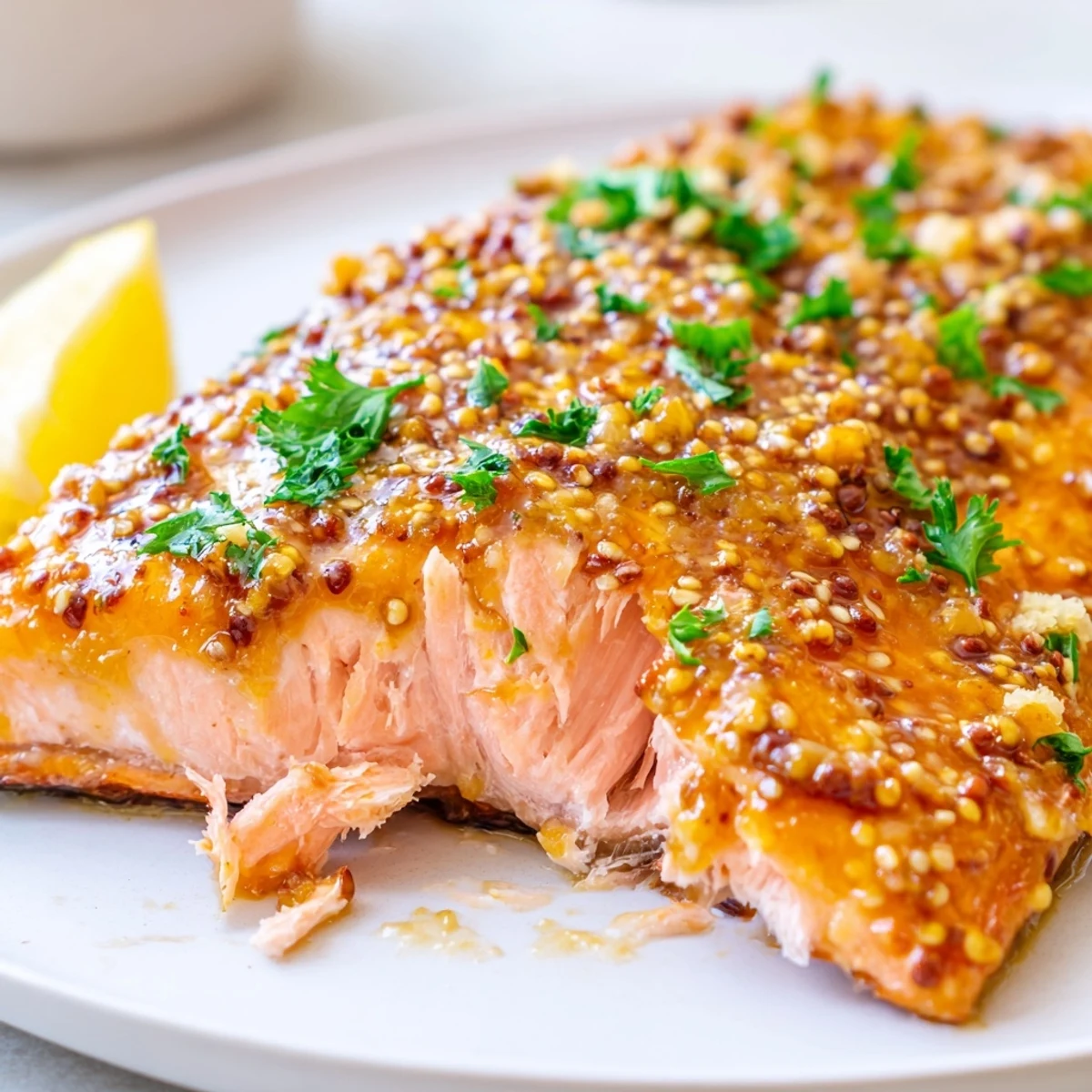
Save This baked honey mustard salmon delivers tender, flaky fish with a caramelized sweet-and-tangy glaze in just 25 minutes. The combination of Dijon and whole grain mustard balanced with honey creates a rich coating that pairs beautifully with the natural richness of salmon.
With only 10 minutes of prep, it's an ideal weeknight dinner that feels elegant enough for entertaining. Simply whisk the glaze, spoon it over the fillets, and bake until the salmon flakes easily with a fork.
The smell of honey caramelizing against mustard on a hot oven tray is the kind of thing that makes you close your eyes and breathe deeper without meaning to. I stumbled onto this combination one rainy Tuesday when the fridge held nothing but a few sad fillets and half a jar of Dijon. What came out of the oven fifteen minutes later was the kind of dinner that makes you question why you ever bother with complicated recipes.
My neighbor Karen knocked on my door the second time I made this, claiming she could smell it from the hallway. I handed her a fillet on a paper plate and she stood in my doorway eating it right there, nodding with her eyes closed.
Ingredients
- 4 salmon fillets (170 g each): Skin on gives you a crispy bottom, but skinless works beautifully if you prefer to keep things simple and fuss free.
- 3 tbsp Dijon mustard: The smooth backbone of the glaze, providing sharpness and depth that anchors every other flavor.
- 2 tbsp honey: Balances the mustard bite and helps the glaze caramelize into a sticky golden crust.
- 1 tbsp whole grain mustard: Adds tiny pops of texture and a milder heat that rounds out the Dijon.
- 1 tbsp olive oil: Helps the glaze coat the fish evenly and keeps everything moist inside the oven.
- 1 tbsp fresh lemon juice: Brightens the whole dish and cuts through the richness of the salmon.
- 2 garlic cloves, minced: Fresh garlic only, please, because the jarred stuff gets lost behind the mustard.
- 1/2 tsp smoked paprika: A subtle smokiness that makes people wonder what your secret ingredient is.
- Salt and black pepper: Season the fish lightly before glazing so every layer is flavorful.
- Fresh parsley and lemon wedges: Not just garnish, they add a fresh finish that makes the plate sing.
Instructions
- Warm up the oven:
- Set your oven to 200 degrees Celsius (400 degrees Fahrenheit) and line a baking tray with parchment paper so nothing sticks and cleanup is effortless.
- Whisk the glaze together:
- In a small bowl, combine the Dijon mustard, honey, whole grain mustard, olive oil, lemon juice, minced garlic, smoked paprika, and a generous pinch of salt and pepper until everything is smooth and amber colored.
- Prep the salmon:
- Pat the fillets dry with paper towels, arrange them on the tray, and give them a light seasoning of salt and pepper so the glaze has something to grab onto.
- Glaze it up:
- Spoon the honey mustard mixture over each fillet generously, using a pastry brush or the back of the spoon to spread it edge to edge.
- Bake until perfect:
- Slide the tray into the oven for 12 to 15 minutes, watching for the salmon to flake easily with a fork and the glaze to turn a deep golden brown.
- Rest and finish:
- Let the salmon rest for two minutes out of the oven, then scatter chopped parsley over the top and serve with lemon wedges squeezed generously over everything.
 Save
Save The night I served this to my family for the first time, my teenage son who normally pushes fish around his plate went back for seconds without being asked.
What to Serve Alongside
Roasted asparagus and a pile of steamed rice are my go-to companions for this dish, because both soak up the extra glaze that runs off the salmon. A simple arugula salad with olive oil and lemon also works wonders when you want something green and peppery without much effort.
Making It Your Own
A pinch of chili flakes in the glaze transforms the whole dish into something warming and slightly fiery, which I discovered after sneezing into the paprika jar and reaching for chili instead by mistake. You can also swap the Dijon for yellow mustard if you want a milder, more kid friendly flavor profile that still glazes beautifully.
Getting the Best Salmon Every Time
Buy the freshest fillets you can find, preferably wild caught, and cook them the same day for the cleanest flavor and firmest texture.
- Let the fish sit at room temperature for about ten minutes before baking so it cooks evenly throughout.
- Check for pin bones by running your fingers along the center of each fillet and pull any you find with tweezers.
- Trust your fork over the timer, because thickness varies and the flake test never lies.
 Save
Save Some dinners are just dinner, and then some dinners remind you that the best meals are usually the simplest ones shared with people who showed up hungry. Keep this one in your back pocket for the nights when you need a win.
Recipe FAQs
- → What temperature should salmon be baked at?
-
Salmon bakes best at 200°C (400°F). At this temperature, it takes 12–15 minutes for fillets to cook through while developing a lightly caramelized glaze on top.
- → How do I know when the salmon is done cooking?
-
The salmon is ready when it flakes easily when pressed gently with a fork. The flesh should turn from translucent to opaque pink and reach an internal temperature of 63°C (145°F) at its thickest part.
- → Can I use frozen salmon fillets instead?
-
Yes, but thaw them completely in the refrigerator overnight before baking. Pat the fillets dry thoroughly with paper towels so the honey mustard glaze adheres properly and doesn't slide off during baking.
- → What sides go well with honey mustard salmon?
-
Roasted vegetables like asparagus or Brussels sprouts, steamed rice, quinoa, or a fresh green salad all complement the sweet and tangy flavors beautifully. The glaze also pairs well with crusty bread for soaking up extra juices.
- → Can I prepare the honey mustard glaze ahead of time?
-
Absolutely. The glaze can be mixed and stored in an airtight container in the refrigerator for up to 3 days. Give it a good whisk before brushing it onto the salmon fillets.
- → Should I remove the salmon skin before baking?
-
It's a matter of personal preference. Skin-on fillets hold together better during baking and the skin helps retain moisture. The glaze penetrates the flesh either way, and the skin easily peels off after cooking if desired.