
 Save
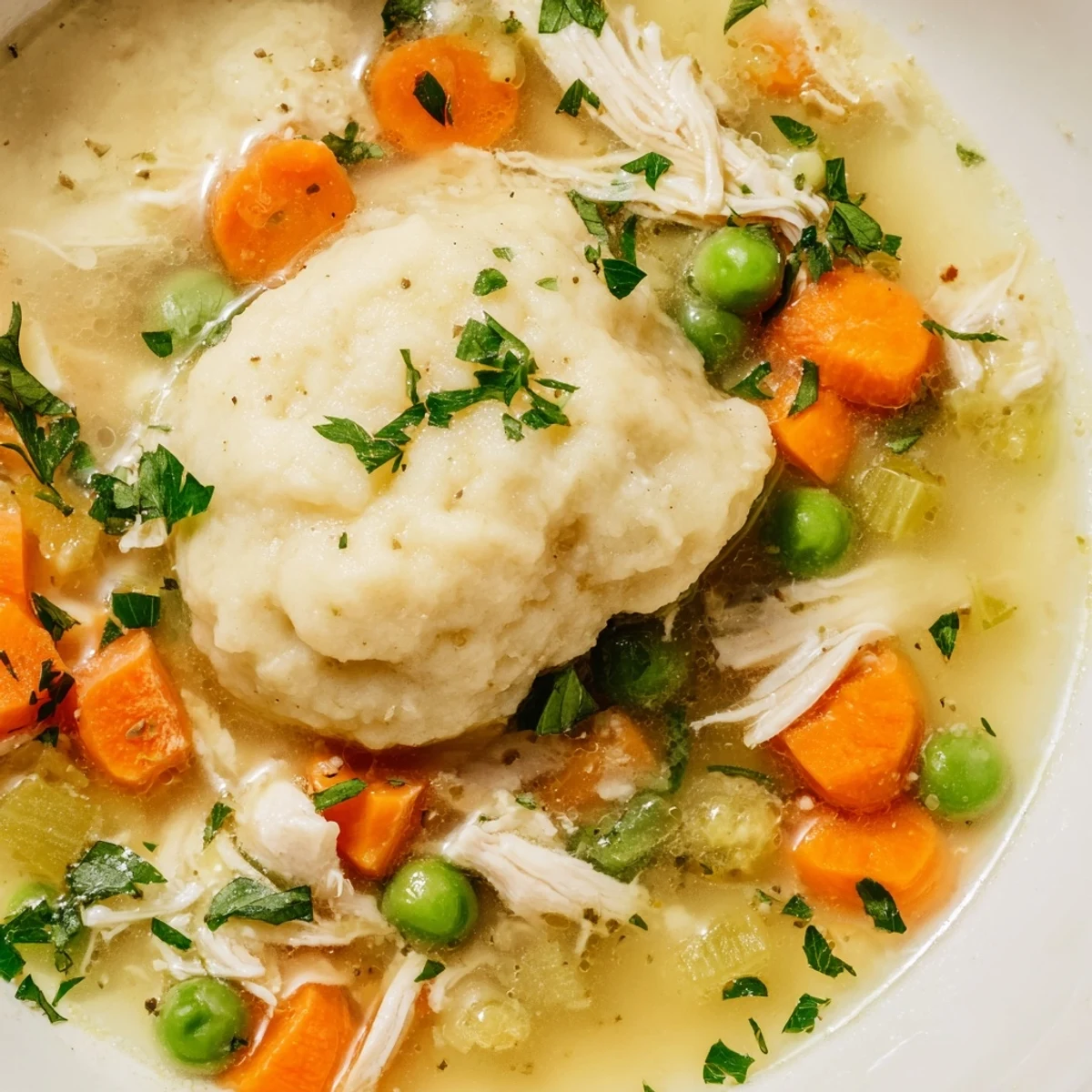
Save This classic dish combines tender chicken simmered with fresh carrots, celery, and aromatic herbs in a savory broth. Fluffy dumplings made from flour, butter, and milk are gently cooked on top, absorbing the rich flavors. The result is a warm, hearty meal perfect for any day, garnished with fresh parsley for brightness. Cooking involves softening vegetables, simmering chicken until tender, then dropping dumpling dough onto the simmering liquid to steam until puffed and cooked through.
There's something about a steaming bowl of chicken soup with dumplings that stops time. My mom made it when I was sick, when I was stressed, when I just needed something that tasted like home. Years later, I realized it wasn't magic—just butter, broth, and the kind of patience that turns a weeknight into comfort.
I made this for my college roommate during midterms when she hadn't eaten a real meal in three days. Watching her face when she tasted it—when she actually sat down and let herself relax—I understood why people call this kind of cooking an act of love. She asked for the recipe that night, and I've been making it ever since.
Ingredients
- Unsalted butter (2 tbsp): Start with good butter and your foundation is already better. It builds the flavor base that everything else rests on.
- Onion, carrots, and celery (1 onion, 2 carrots, 2 stalks): These three are the backbone. Don't rush them—let them soften together, that's where the sweetness comes from.
- Garlic (3 cloves, minced): Add it after the vegetables or it burns and turns bitter. That's a mistake I made once and learned from.
- Bone-in chicken (1 kg thighs or breasts): The bones matter. They give the broth depth and richness that boneless chicken just can't match.
- Bay leaves and dried thyme (2 bay leaves, 1 tsp thyme): These quiet herbs do the real work, layering flavor without announcing themselves.
- Salt and black pepper (1 tsp salt, ½ tsp pepper): Taste as you go. Salt blooms differently at different temperatures, so don't commit to the amount yet.
- Low-sodium chicken broth (2.5 L): Use homemade if you can. Store-bought works, but homemade broth makes everything taste like it was meant to be.
- Frozen peas and fresh parsley (1 cup peas, 2 tbsp parsley): The peas add a pop of color and sweetness. Fresh parsley at the end tastes alive in a way dried herbs never will.
- All-purpose flour (1½ cups): This is what becomes those tender dumplings. Don't substitute with self-rising unless you adjust the salt.
- Baking powder (2 tsp): This is your lift. It makes the dumplings airy instead of dense.
- Whole milk (¾ cup): Use whatever milk you have, but whole milk makes them richer.
Instructions
- Build your base:
- Melt butter in your pot over medium heat. Watch it—that split second when it stops foaming is when you add the onion, carrots, and celery. Let them soften together for 5 or 6 minutes, just until they start to release their sweetness. Add the garlic at the end and stir for a minute until the whole kitchen smells like you know what you're doing.
- Make the broth:
- Nestle the chicken into the vegetables, scatter the bay leaves and thyme over top, season with salt and pepper, then pour in your broth. Bring it to a boil, then lower the heat, cover the pot, and let it simmer for 25 to 30 minutes until the chicken is cooked all the way through. You'll know it's ready when it shreds easily.
- Shred and return:
- Pull the chicken out onto a plate and let it cool just enough to handle. Use two forks to pull it into pieces, throwing away the bones. Return it all to the pot where it belongs.
- Add the vegetables:
- Stir in the frozen peas and the fresh parsley. Bring the soup back to a gentle simmer and let it warm for a minute.
- Make the dumpling dough:
- In a separate bowl, whisk together flour, baking powder, and salt. Pour in the melted butter, milk, and parsley if you're using it, then stir just until everything comes together. Don't overmix—lumps are fine. This is where overzealous stirring turns dumplings into dense little rocks.
- Add the dumplings:
- Drop spoonfuls of dough onto the surface of your simmering soup, spacing them a bit apart so they have room to puff. They'll sink a little at first, and that's normal.
- The magic happens under the lid:
- Cover the pot tightly and don't peek. Let it simmer for 15 minutes. The dumplings will rise and puff, and they'll be cooked through when they're no longer doughy in the center. Opening the lid early releases the steam that makes them fluffy, so trust the process and leave it alone.
- Finish:
- Taste the soup, adjust salt and pepper if it needs it, fish out those bay leaves, and ladle everything into bowls. A handful of fresh parsley on top makes it look intentional.
 Save
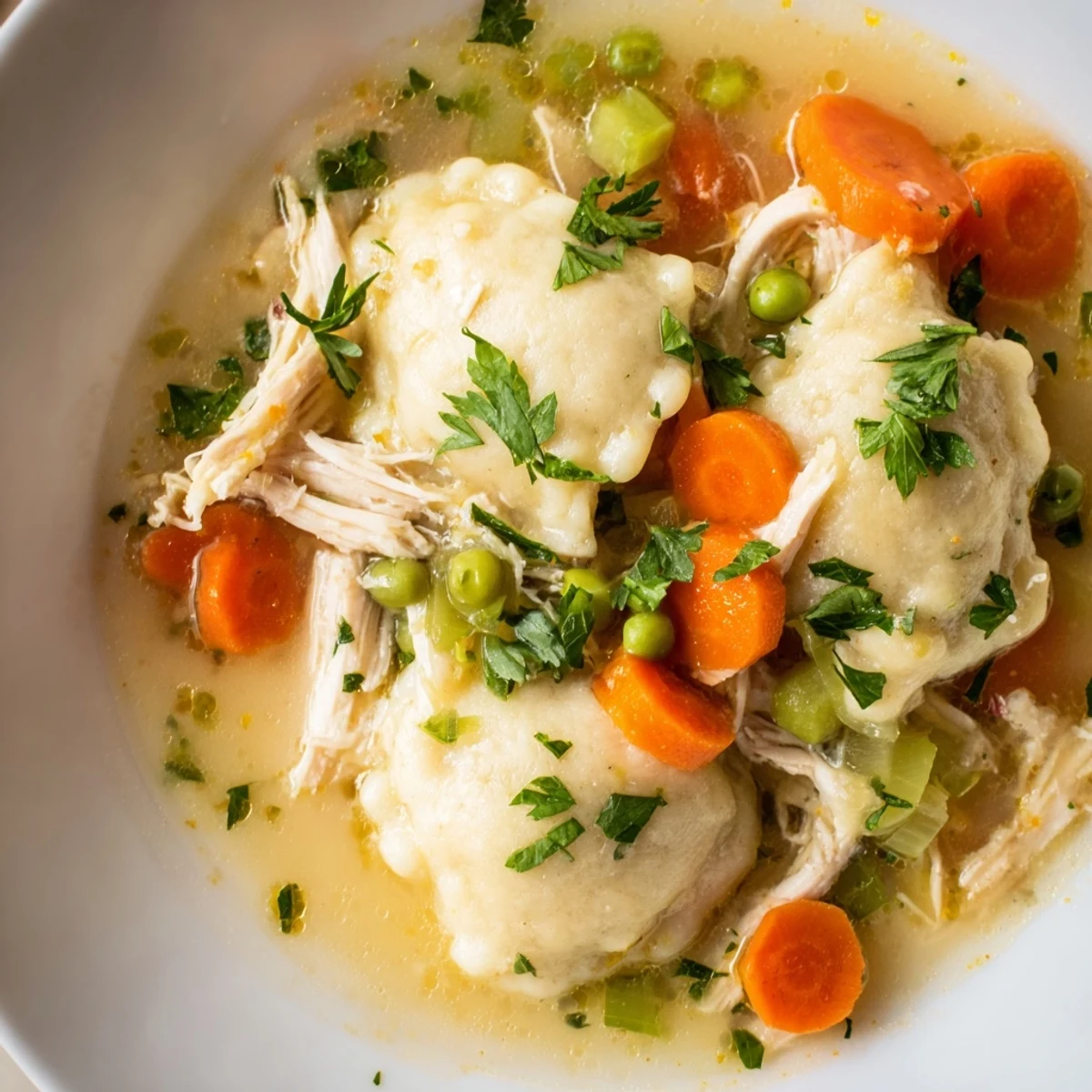
Save There's a moment, usually around day three of leftovers, when I'm reheating this soup and I remember why I made it. The dumplings absorb the broth, the chicken becomes even more tender, and somehow it tastes better than it did that first night. That's when I know it's the kind of recipe worth keeping.
The Art of the Dumpling
Dumplings are forgiving once you understand them. The baking powder is what gives them lift—it's not a substitute for technique, but it takes some pressure off. If you've never made them, don't overthink it. They're essentially a simple biscuit dough dropped into hot broth. Some of mine have been picture-perfect clouds, and some have been slightly flat and still absolutely delicious.
Broth as the Real Star
The quality of your broth matters more than any other single ingredient. I can taste the difference between a good homemade broth and a thin store-bought one every single time. If you have a chance to make broth from scratch or use the better quality kinds, your soup will taste noticeably richer. And if you're using store-bought, at least pick low-sodium so you control how much salt goes in.
Making It Your Own
This recipe is sturdy enough to handle changes. I've added tarragon or fresh dill instead of thyme. Some nights I throw in a handful of kale at the end. Once I added a splash of white wine when I opened the wrong bottle. The core stays the same—good broth, tender chicken, fluffy dumplings—but the details can be yours.
- Fresh herbs at the end always beat dried ones added at the beginning.
- If you want it richer, use homemade broth or add a splash of cream with the peas.
- Leftovers keep for three or four days and actually taste better the next day as flavors settle.
 Save
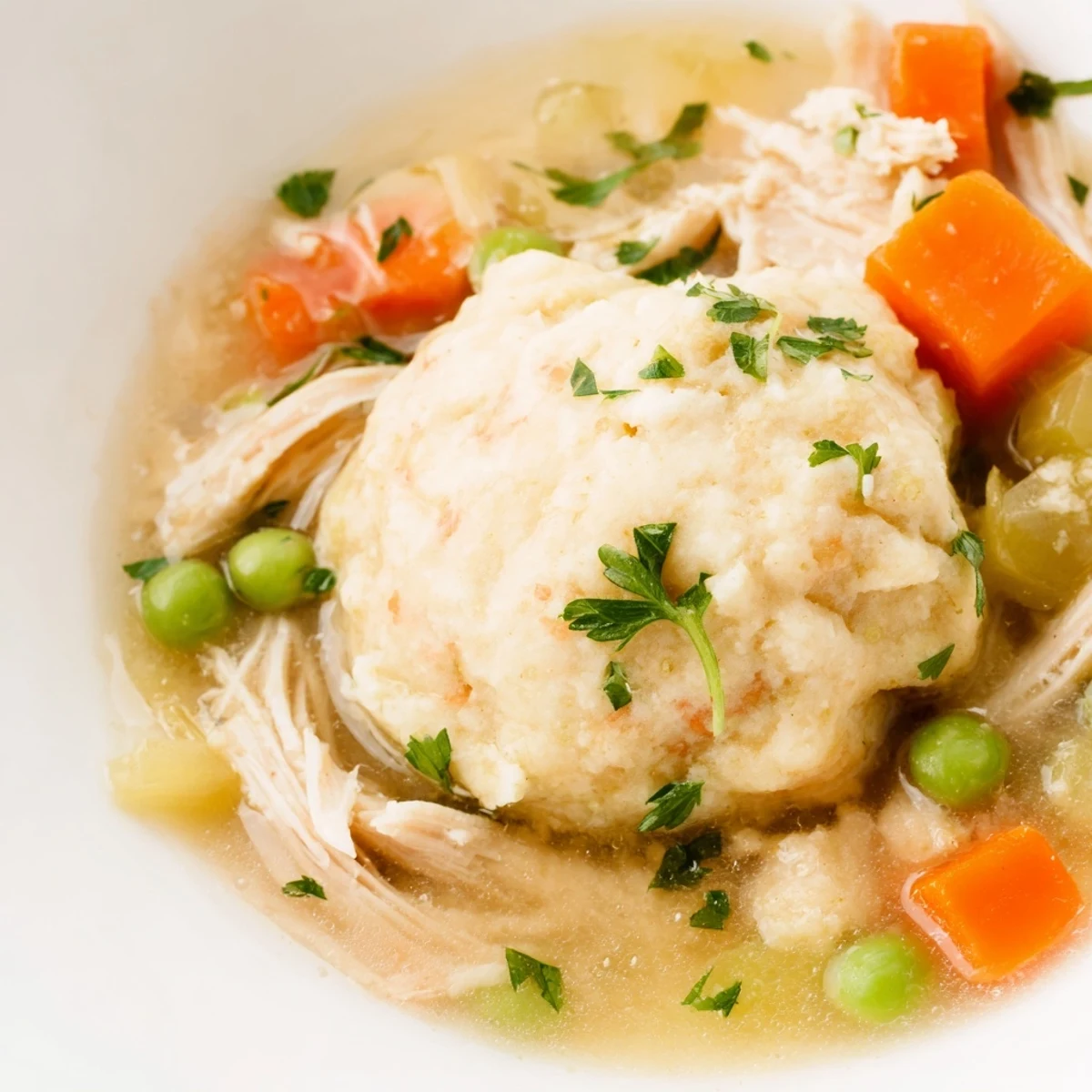
Save This soup has a way of becoming part of your story—the thing you make when it matters, when someone needs feeding, when you need to feel grounded. It's that simple.
Recipe FAQs
- → How do I make the dumplings fluffy?
-
Use baking powder in the dough and avoid overmixing to ensure light, tender dumplings.
- → Can I use chicken breasts instead of thighs?
-
Yes, boneless skinless chicken breasts or thighs work well; adjust cooking time until the meat is fully cooked and tender.
- → What vegetables complement this dish best?
-
Carrots, celery, and onions provide a classic base, while peas add a touch of sweetness and color.
- → Is it better to use homemade or store-bought broth?
-
Homemade broth offers richer flavor, but quality low-sodium store-bought broth also works well for convenience.
- → How do I prevent dumplings from sticking together?
-
Drop them spaced apart in the simmering broth and avoid lifting the lid during cooking to allow even puffing.