
 Save
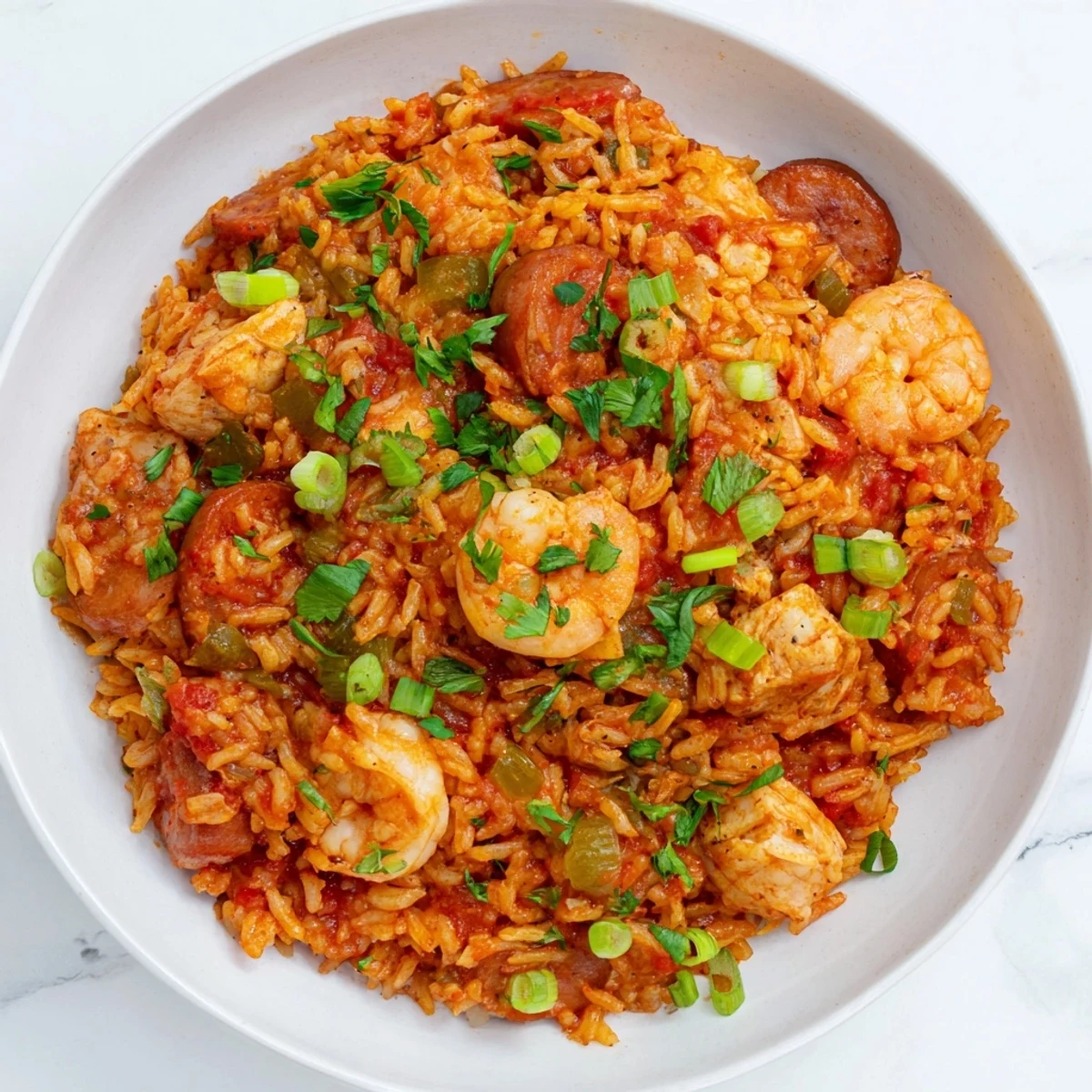
Save This classic Louisiana jambalaya combines tender chicken thighs, plump shrimp, and smoky andouille sausage with the holy trinity of onions, bell peppers, and celery. Long-grain rice absorbs a flavorful broth infused with tomatoes, paprika, thyme, oregano, and cayenne for authentic Creole heat. Brown the proteins first to build depth, then sauté vegetables before combining everything in one pot to simmer until the rice is tender and aromatic. Fresh parsley and spring onions brighten the finished dish, while lemon wedges provide a citrus accent.
The aroma of jambalaya always transports me to that sweltering summer evening in New Orleans when I first tasted authentic Creole cooking. My host family laughed at my wide eyes as they ladled heaping portions of this colorful rice dish onto my plate. Back home, I spent weeks perfecting my own version, eventually landing on this recipe that balances smoky andouille, tender chicken, and plump shrimp.
Last Mardi Gras, I made a massive pot of this jambalaya instead of ordering takeout for our neighborhood block party. The pot emptied faster than any other dish on the table, and three different people cornered me for the recipe before the night was over. Even Mrs. Jenkins, who claims to hate seafood, came back for seconds.
Ingredients
- Andouille Sausage: This smoked pork sausage adds a distinctive smoky depth that forms the backbone of authentic jambalaya, though in a pinch, any smoked sausage will contribute good flavor.
- The Holy Trinity: The combination of onion, bell pepper, and celery isnt just tradition, its the aromatic foundation that gives Creole cooking its soul.
- Long-grain Rice: Always rinse your rice first to remove excess starch, which helps keep the grains separate rather than turning your jambalaya into mush.
- Cayenne Pepper: I start with just half a teaspoon and keep extra on the table, as its much easier to add heat than to try removing it when someone cant handle the spice.
Instructions
- Brown the proteins:
- Heat that olive oil until it shimmers before adding your chicken pieces. You want them to develop a golden crust that will lock in juices and create those delicious brown bits on the bottom of the pan.
- Build the flavor base:
- When the trinity of vegetables hits that hot oil, youll hear a satisfying sizzle as they start to release their moisture. Let them soften just until the onions become translucent, about 5 minutes.
- Toast the rice:
- This quick step might seem small, but coating the rice in oil before adding liquid helps each grain maintain its integrity. Youll notice a subtle nutty aroma as the rice mingles with the vegetables.
- Simmer to perfection:
- When everything comes to a boil, that moment when you reduce the heat, cover, and let it simmer is culinary magic at work. Resist the urge to peek too often, as each lift of the lid lets precious steam escape.
- Add the shrimp:
- Shrimp cook incredibly quickly, which is why they go in at the end. Look for them to turn from translucent gray to opaque pink with a slight curl.
 Save
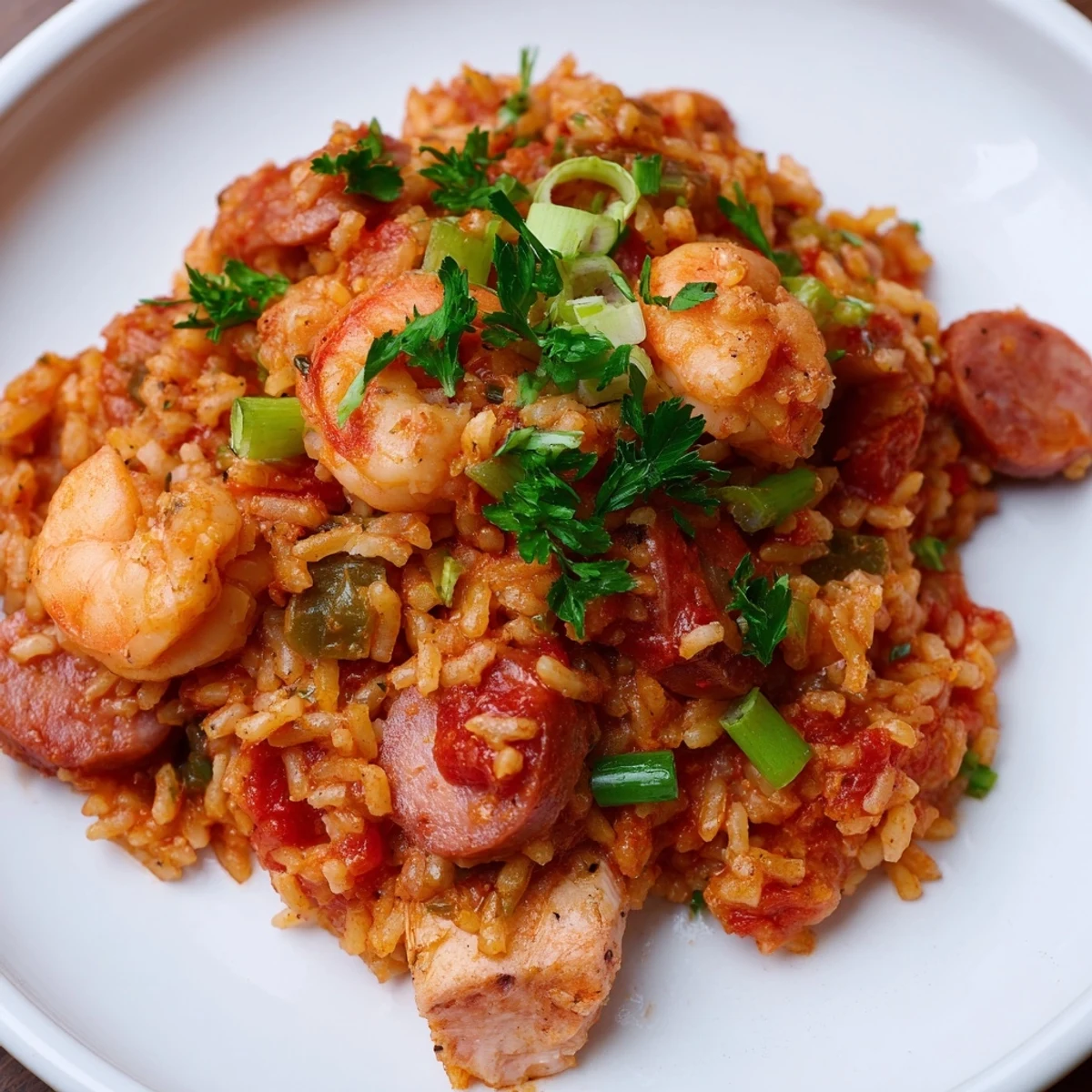
Save My friend Marcus, who grew up in Louisiana, tasted my jambalaya last Christmas and quietly nodded before taking another bite. He finally looked up and said, This tastes like my grandmothers kitchen. That simple statement, from someone who knew the real thing, meant more to me than any formal culinary praise ever could.
Spice Balance
The key to this jambalaya isnt just heat, but balance. Ive found that paprika provides earthy sweetness, while thyme and oregano contribute an herbal backbone that stands up to the meats. When making this for guests, I often serve hot sauce on the side rather than increasing the cayenne, allowing everyone to customize their bowl to their own heat tolerance.
Make It Your Own
Jambalaya welcomes adaptation based on what you have available. Some nights when the pantry is looking sparse, Ive substituted chicken breasts for thighs, turkey sausage for andouille, or even thrown in leftover roasted vegetables. The spirit of this dish comes from its improvisational roots, so dont feel bound by strict authenticity.
Serving Suggestions
While jambalaya is certainly a complete meal on its own, I love creating a full Creole experience with simple accompaniments. A cold beer or sweet tea cuts through the spice beautifully, resetting your palate between bites.
- A simple green salad dressed with lemon vinaigrette brings freshness to counter the rich, spicy flavors.
- Warm, crusty French bread is perfect for sopping up the last bits of sauce from your bowl, an essential move my Louisiana friends insist upon.
- For dessert, keep it traditional with bread pudding or beignets if youre feeling ambitious, or simply offer fresh fruit to cleanse the palate.
 Save
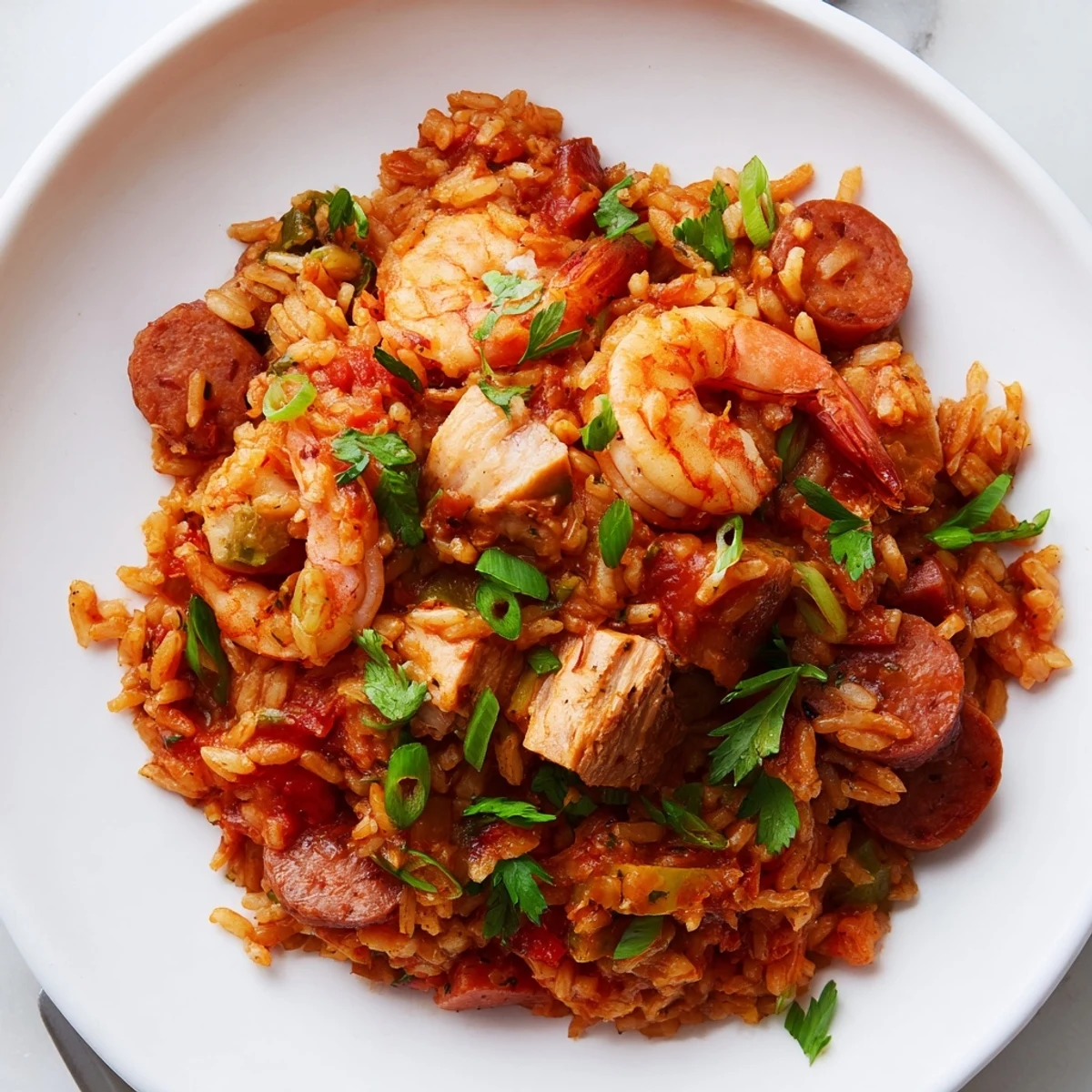
Save Jambalaya isnt just a meal, its a celebration in a pot, bringing people together with its colorful appearance and bold flavors. Every time I make it, whether for a quiet family dinner or a lively gathering, it reminds me that the best recipes are the ones that create memories around the table.
Recipe FAQs
- → What is the holy trinity in Creole cooking?
-
The holy trinity consists of onions, celery, and green bell pepper—the aromatic base for most Creole and Cajun dishes. This combination builds the foundational flavor profile for jambalaya and similar one-pot meals.
- → Can I make this ahead and reheat it?
-
Yes, jambalaya reheats beautifully. Store it in an airtight container for up to 4 days. Reheat gently on the stovetop over medium heat, adding a splash of chicken stock if the rice has absorbed too much liquid.
- → What type of sausage works best?
-
Authentic andouille sausage is ideal for its smoky, spicy character. If unavailable, use another smoked sausage like kielbasa. Slice before browning to release the flavors into the dish.
- → How do I adjust the heat level?
-
Cayenne pepper controls the spice. Start with ½ teaspoon and increase gradually to your preference. Serve extra hot sauce on the side for diners who want additional heat.
- → Why cook shrimp separately at the end?
-
Adding shrimp at the end prevents overcooking, which makes them tough and rubbery. They cook through in just 5–7 minutes and stay tender and sweet when added during the final simmer.
- → Can I use chicken breast instead of thighs?
-
Thighs are preferred because they stay moist during cooking, but breast meat works too. Cut into similar-sized pieces and reduce cooking time slightly, as breast cooks faster than thighs.