
 Save
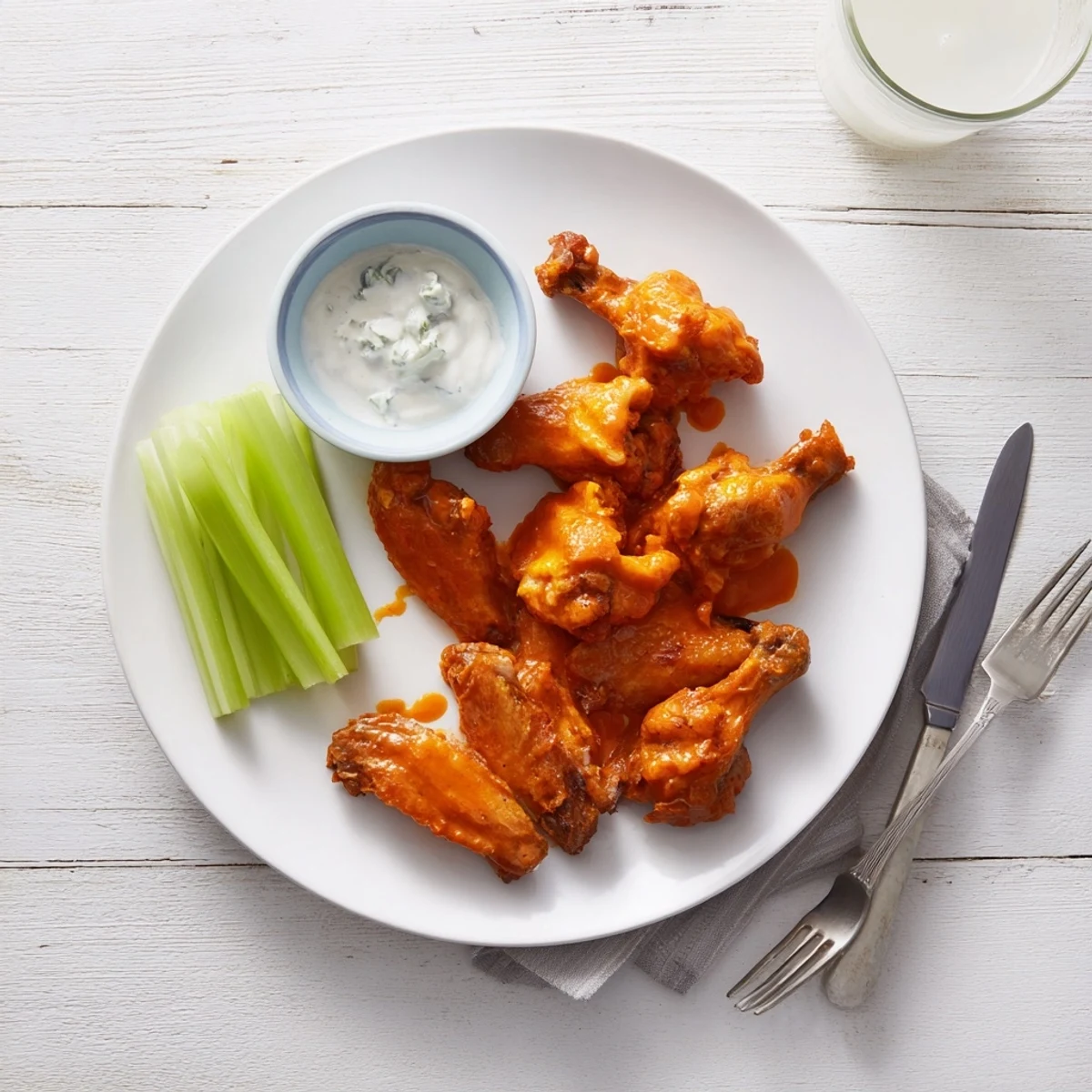
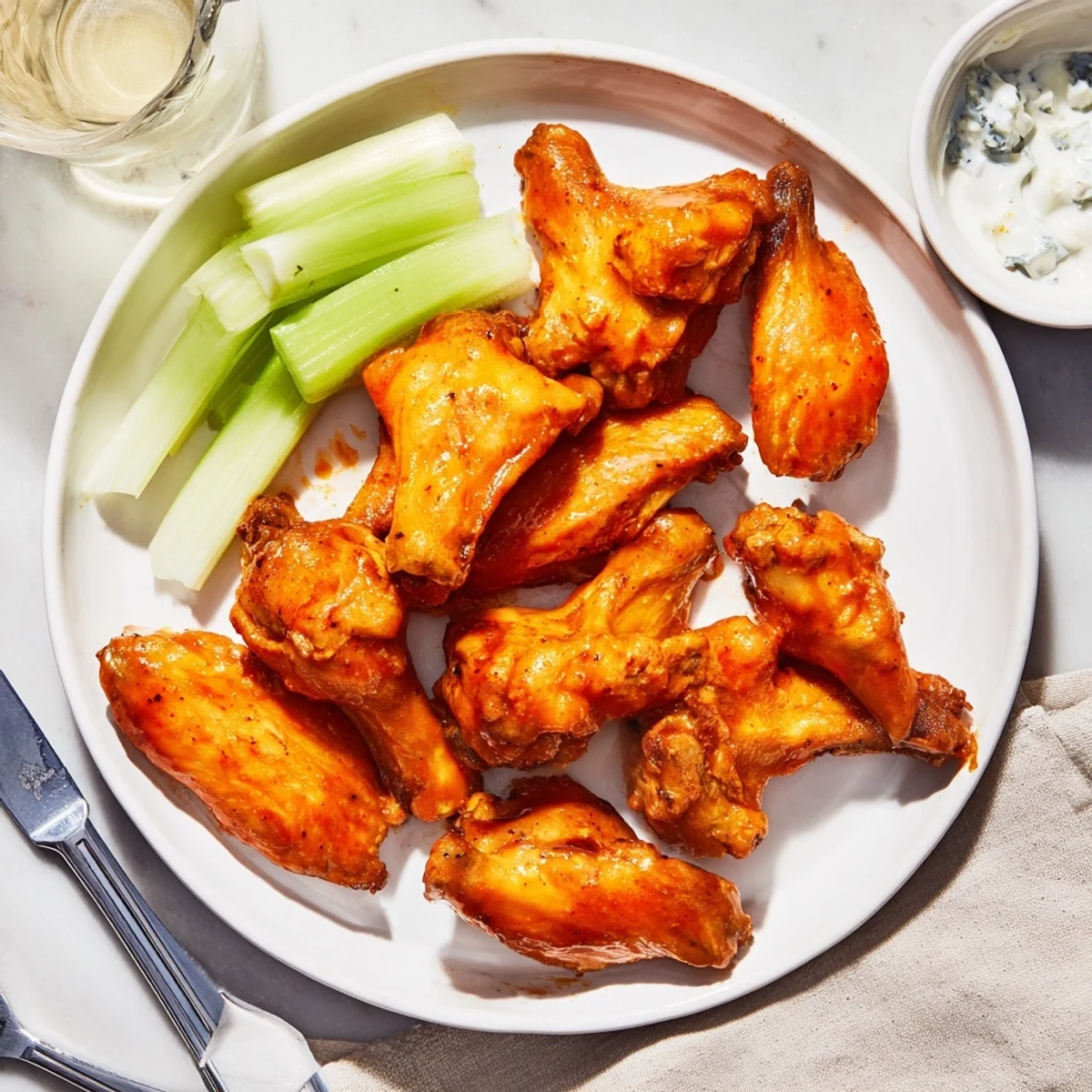
Save These wings deliver restaurant-quality results with a two-step cooking method. Smoking at 250°F for 45 minutes infuses deep hickory or applewood flavor, while finishing at 425°F creates perfectly crispy skin. The baking powder coating ensures maximum crunch, while the homemade buffalo sauce combines hot sauce, butter, honey, and Worcestershire for that classic tangy-spicy balance.
The first time I smoked wings, I stood on my back porch at midnight watching the thin blue wisps curl into the darkness, convinced my neighbors would call the fire department. Instead, they wandered over with beers, drawn by something ancient and irresistible in that smoky air. We ate them standing around the smoker, fingers sticky, passing containers of sauce like contraband. Now I can't imagine making wings any other way.
Last summer, my brother-in-law brought his new girlfriend to a backyard barbecue, looking visibly nervous about meeting everyone. I put a platter of these wings on the table, and within five minutes, she was animatedly debating the merits of ranch versus blue cheese with my uncle, sauce somehow dotting both their chins. Food has this way of erasing the awkwardness, doesn't it? They got engaged last month.
Ingredients
- Chicken wings: The baking powder trick here is non-negotiable, it's what transforms the skin into something shatteringly crisp rather than chewy
- Smoked paprika: This layered with the actual smoke creates this beautiful depth, like bass notes in a song you didn't know you needed
- Hot sauce: Franks is classic for a reason, but I've found Crystal works beautifully too if you want something slightly more vinegary
- Honey: This is the wildcard ingredient that balances the heat and helps the sauce cling to every wing like it's afraid to let go
- Unsalted butter: Don't even think about using oil here, that richness is what carries all the flavors together
Instructions
- Get your fire started:
- Preheat that smoker to 250°F with your wood chips of choice, hickory for something bold and assertive or applewood if you want it a bit gentler
- Prep the wings:
- Pat those wings completely dry, then toss them with the baking powder and seasonings until they're evenly coated and looking dusty and ready
- Set up for smoking:
- Arrange the wings in a single layer on a wire rack over a baking sheet, giving each piece room to breathe and crisp up properly
- Low and slow first:
- Smoke them at 250°F for 45 minutes, letting that wood smoke work its way into the meat and start rendering out some of the fat
- Crisp them up:
- Crank the heat to 425°F and cook for another 30 minutes, flipping them halfway through until they're golden and the skin is audibly crispy
- Make the magic sauce:
- While those wings finish, whisk together the hot sauce, melted butter, honey, Worcestershire, and garlic powder over low heat until it's smooth and smelling like heaven
- The toss:
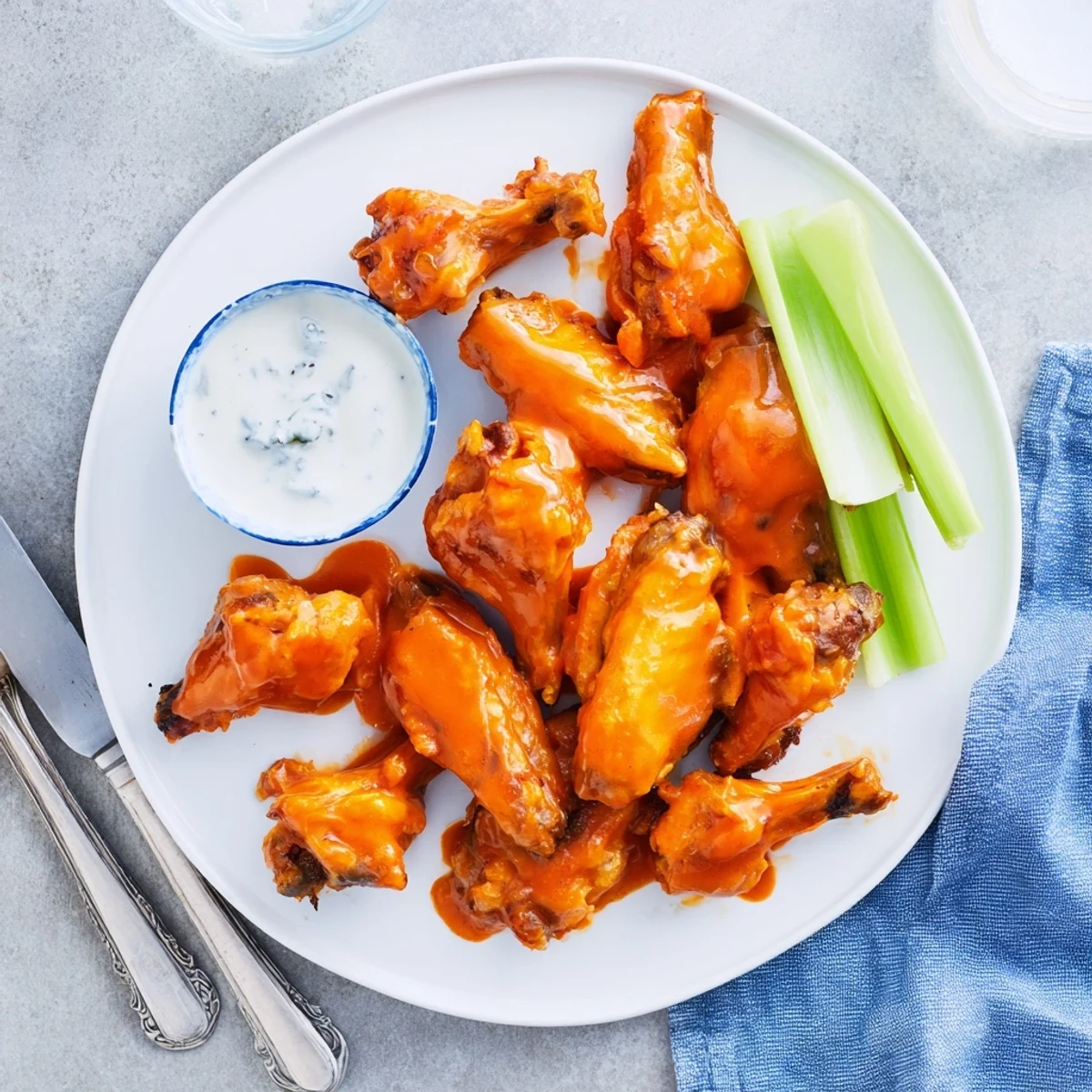
- Transfer those crispy beauties to a large bowl and pour the sauce over them, tossing until every wing is evenly coated and glossy
- Get them to the table:
- Serve immediately with celery sticks and your choice of dressing, because something cooling is non-negotiable here
 Save
Save My dad still talks about the Super Bowl party I made these for a few years back, mostly because he'd been skeptical about smoking instead of frying. After one bite, he just looked at me with sauce on his chin and said okay, I see it, and went back for seconds without another word. Sometimes the best compliments are the ones that don't need to be finished.
The Smoking Difference
There's something about smoking meat that feels like you're tapping into this ancient way of cooking, something primal and patient. I've found that the smoke flavor lingers differently than a dry rub or marinade, it becomes part of the meat itself rather than sitting on top. Friends who claim they can taste the difference between hickory and mesquite might be full of it, but there is undeniably something magical about low, slow heat and wood smoke working together.
Sauce Variations I've Loved
Last fall I got experimental and substituted maple syrup for the honey, which gave this beautiful autumnal twist that paired unexpectedly well with the smoke. I've also added a pinch of cayenne to the sauce when I had friends over who treat spice tolerance like a competitive sport. The Worcestershire is my quiet secret ingredient, it adds this umami richness that people notice but can never quite put their finger on.
Serving Strategy
After years of serving these at parties, I've learned that people eat twice as many wings as they think they will, so I always make extra. I put out small bowls of sauce on the side too, because there will always be that one person who drowns everything. And I've stopped trying to make them look perfectly arranged on the platter, a messy mound of saucy wings somehow feels more inviting and honest than something fussy and styled.
- Set out a roll of paper towels instead of napkins, trust me on this one
- Have extra cooling ranch nearby for the unexpected spice-sensitive guest
- Double the sauce recipe if your crowd includes my brother-in-law
 Save
Save There's something deeply satisfying about food that brings people together around a table, fingers messy, conversation flowing, everyone reaching for the same platter. These wings have become my go-to for exactly those moments, the times when what really matters isn't perfection but connection.
Recipe FAQs
- → What makes these wings extra crispy?
-
The baking powder coating combined with the two-step cooking process creates maximum crispiness. Smoking first renders fat slowly, then high heat finishes the skin to golden perfection.
- → Can I make these without a smoker?
-
Yes. Bake at 250°F for 30 minutes, then increase to 425°F for 40 minutes, flipping once. You'll still get crispy results, though without the smoky depth.
- → What wood chips work best?
-
Hickory provides strong, traditional smokiness. Applewood offers a sweeter, fruitier smoke that pairs beautifully with the spicy buffalo sauce.
- → How can I adjust the heat level?
-
Add cayenne pepper to the sauce for extra spice, or reduce hot sauce and increase honey for a milder version. The butter helps balance the heat naturally.
- → What's the purpose of honey in the sauce?
-
Honey adds subtle sweetness that balances the vinegar in hot sauce and the salty butter. It also helps the sauce cling to the wings while caramelizing slightly during tossing.
- → How long should I toss the wings in sauce?
-
Toss immediately while wings are hot. Use tongs to coat evenly for about 30 seconds—this ensures sauce adheres without making the skin soggy.