
 Save
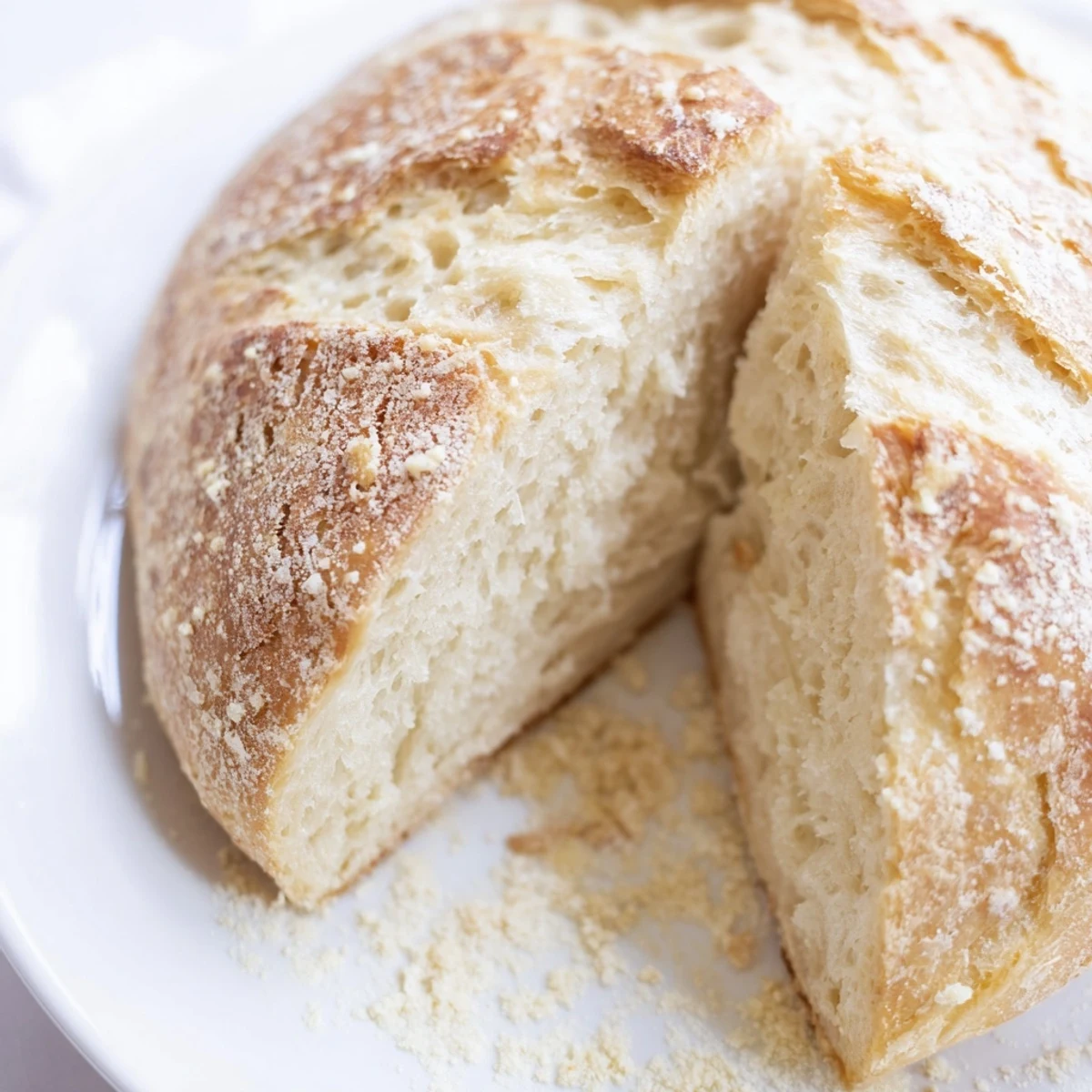
Save Create a traditional Italian loaf with an irresistibly crispy golden crust and tender, chewy interior. This straightforward method yields bakery-quality bread using pantry staples—flour, yeast, olive oil, and salt. The steam-baking technique ensures that signature crackling crust.
The dough requires just 20 minutes of active preparation, with rising time doing most of the work. You'll knead until smooth, let it double in size, shape into an oval, and bake with steam for that professional finish.
Serve warm alongside pasta dishes, slice for panini, toast for bruschetta, or simply tear and dip in extra virgin olive oil. This loaf freezes beautifully—slice before freezing and toast straight from frozen.
The first time I pulled this bread from the oven, my entire apartment smelled like an Italian bakery at dawn. That golden crust crackled when I touched it, and I stood there just tearing off pieces while they were too hot to handle properly. My roommate wandered in, attracted by the scent, and we demolished half the loaf standing over the counter with nothing but a dish of olive oil between us.
Last winter I started making this loaf every Sunday afternoon. It became my little ritual, kneading dough while listening to podcasts and letting the slow rise dictate the rhythm of my day. My sister came to visit and watched me shape the loaf, then asked if she could take over the slashing step because she said it looked therapeutic. Now she makes it every week too.
Ingredients
- Bread flour: Higher protein content than all purpose flour gives you that chewy texture and better structure for rising
- Active dry yeast: Make sure your water is warm but not hot around body temperature or you might kill the yeast
- Olive oil: This keeps the crumb tender and adds that subtle Mediterranean richness
- Cornmeal: Dusting your baking sheet prevents sticking and adds a lovely crunch to the bottom crust
Instructions
- Wake up the yeast:
- Dissolve the yeast and sugar in warm water and wait for that beautiful foamy layer to form on top which tells you the yeast is alive and ready to work
- Build the dough:
- Combine flour and salt in a large bowl, create a well in the center, pour in your yeast mixture and olive oil, then mix until shaggy and combined
- Knead with intention:
- Turn onto a floured surface and knead for 8 to 10 minutes until the dough transforms from sticky and rough to smooth and elastic, springing back when you poke it
- Let it rise:
- Place dough in an oiled bowl, cover with a damp towel, and leave it somewhere warm until it has doubled in size which usually takes 1 to 1.5 hours
- Shape the loaf:
- Punch down the risen dough, form it into a tight oval or round, place on your prepared baking sheet, and let it rise again for 45 minutes until puffy
- Create the steam:
- Preheat your oven to 425°F with an empty metal pan on the bottom rack, then pour hot water into that pan right before baking to create steam for a crispier crust
- Score and bake:
- Slash the top of your loaf with a sharp knife, bake for 30 to 35 minutes until deep golden brown, and listen for that hollow thud when you tap the bottom
 Save
Save This bread became the center of my first proper dinner party. I had spent all day worrying about the main course but everyone kept asking about the bread, going back for slice after slice and asking if I had really made it myself. One friend texted me the next day asking for the recipe, and that is when I knew it was a keeper.
Getting The Rise Right
Finding the perfect warm spot for dough to rise can be tricky depending on your kitchen. I have found that turning my oven light on creates just enough gentle warmth in a closed oven without actually heating it up. You can also place your dough near a sunny window or on top of a warm appliance like a refrigerator that generates slight heat from its compressor.
Mastering The Slash
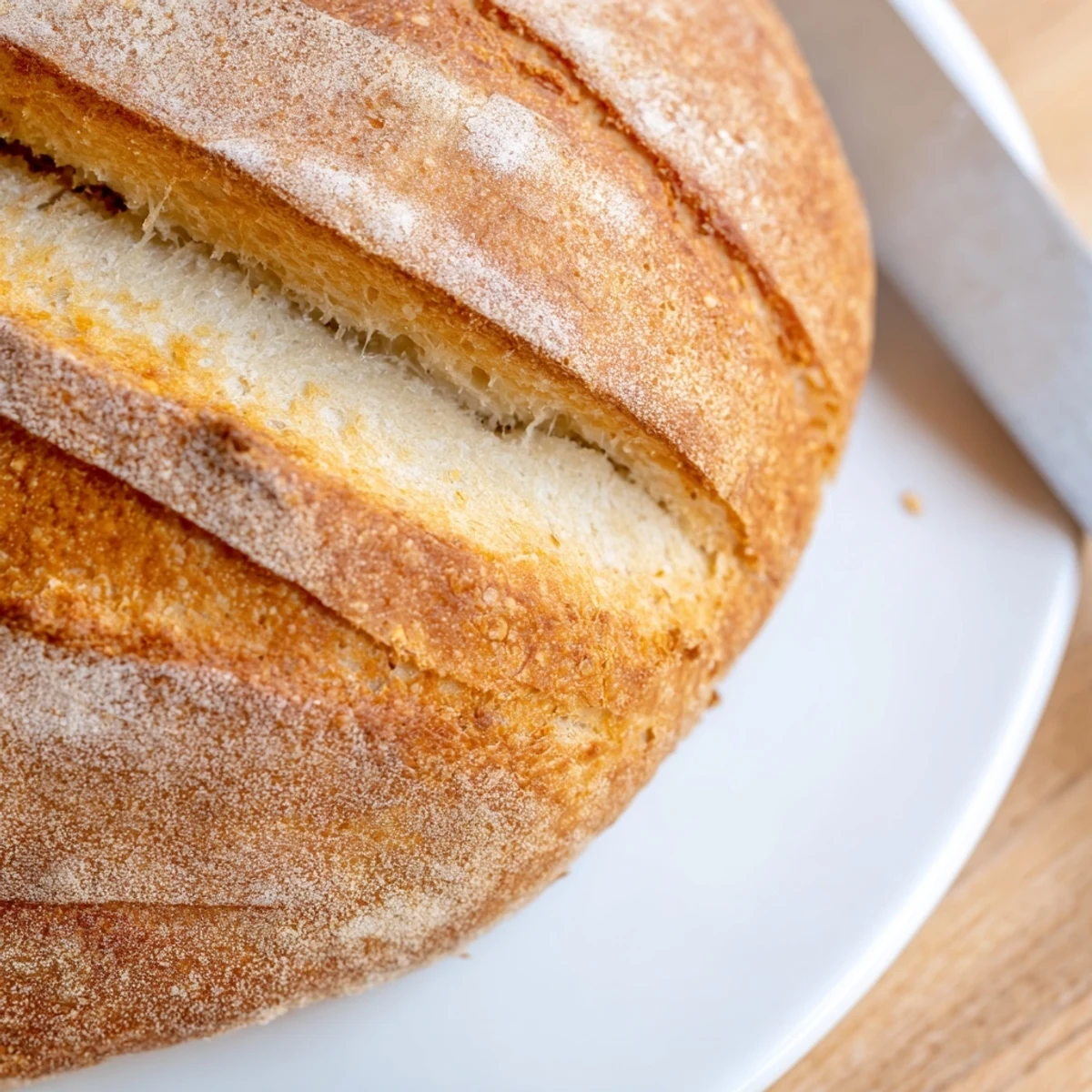
Scoring your bread is not just about aesthetics. Those slashes give the dough a controlled place to expand in the oven, preventing it from bursting unevenly and creating those beautiful artisan patterns. I practiced with an ordinary paring knife before investing in a lame, and honestly the knife worked just fine. Hold your blade at a 45 degree angle rather than straight up and down for the best results.
Freezing For Later
One loaf rarely lasts more than a day in my house, but on the rare occasion it does, freezing is incredibly effective. Slice the bread first, then freeze individual pieces wrapped tightly. You can toast frozen slices directly without thawing, and they come out tasting almost as good as fresh baked.
- Double wrap bread in both plastic and foil for maximum freezer freshness
- Never refrigerate bread as it actually stales faster in the fridge than at room temperature
- Revive day old bread by sprinkling with water and heating in a 350°F oven for 10 minutes
 Save
Save There is something profoundly satisfying about making your own bread, about transforming simple flour and water into something that nourishes both body and soul. Every time I bake this, I remember why those Sunday afternoon rituals became so precious to me.
Recipe FAQs
- → What makes Italian bread crusty?
-
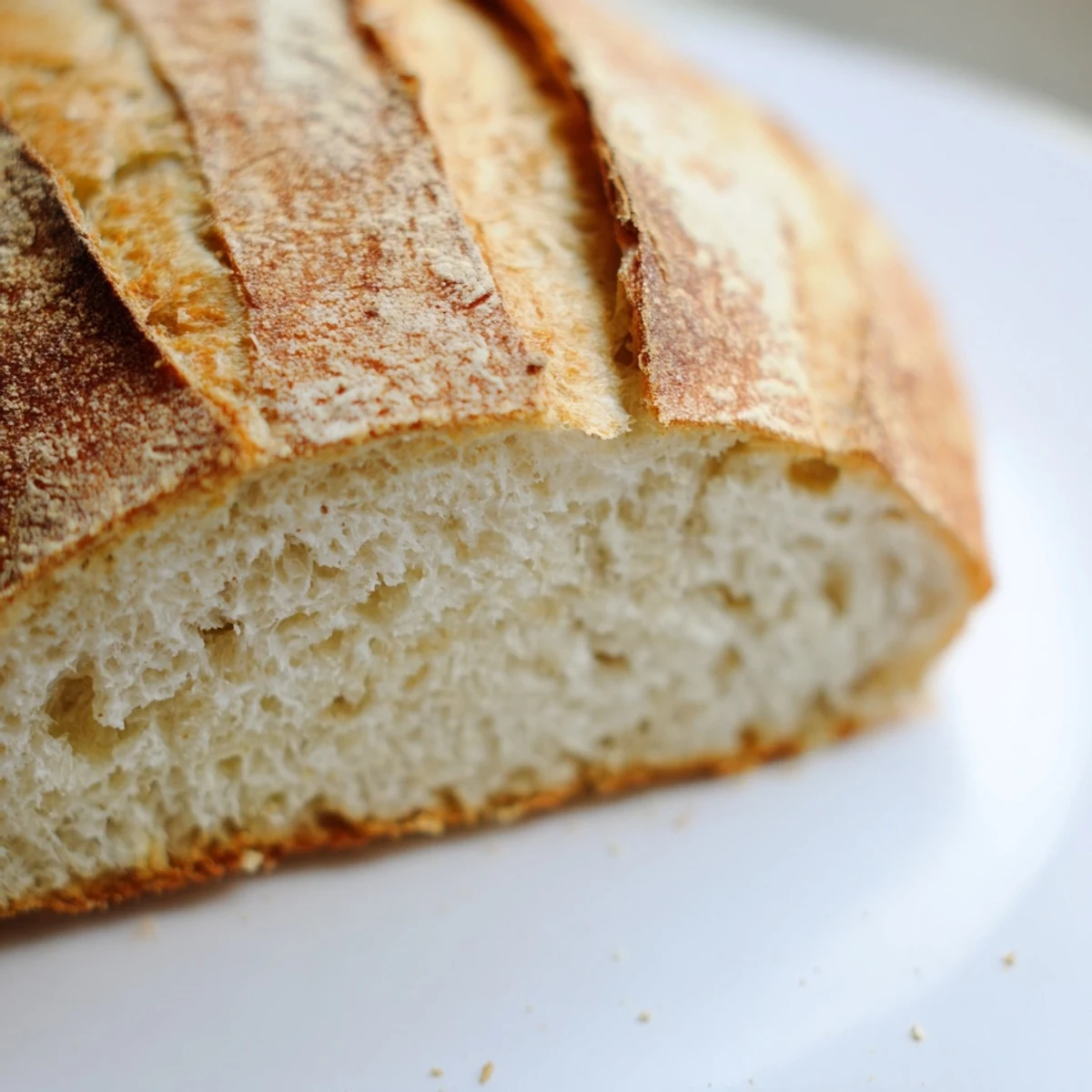
The combination of high oven temperature and steam creates the signature crusty exterior. Pouring hot water into a preheated pan generates steam that keeps the crust flexible initially, allowing the bread to expand fully before crisping into that golden crackle.
- → Can I use all-purpose flour instead of bread flour?
-
Bread flour provides the best chew and structure due to its higher protein content. All-purpose flour will work but yields a slightly softer, less chewy crumb. For the closest results, choose high-quality all-purpose flour or add vital wheat gluten.
- → How do I know when the bread is fully baked?
-
Look for a deep golden-brown color on all sides. The most reliable test is tapping the bottom—it should sound hollow. The internal temperature should reach 190-200°F. If you're unsure, return it to the oven for 5 more minutes.
- → Why is my dough not rising?
-
Water temperature is crucial—too hot kills yeast, too cold slows activation. Aim for 105°F, like bathwater temperature. Ensure your yeast is fresh; expired yeast may not foam. Find a warm, draft-free spot, ideally 75-80°F, for rising.
- → Can I add herbs or cheese to this dough?
-
Absolutely. Dried rosemary, thyme, or oregano enhance the flavor. Add 1-2 teaspoons during mixing. For cheese variations, fold in 1 cup grated Parmesan or cubes of sharp cheddar after the first rise. Garlic powder or roasted garlic also work beautifully.
- → How should I store this bread?
-
Store at room temperature in a paper bag for up to 2 days—plastic makes the crust soggy. For longer storage, freeze whole or sliced. Thaw at room temperature or toast slices from frozen. Refresh day-old bread at 350°F for 10 minutes.