
 Save
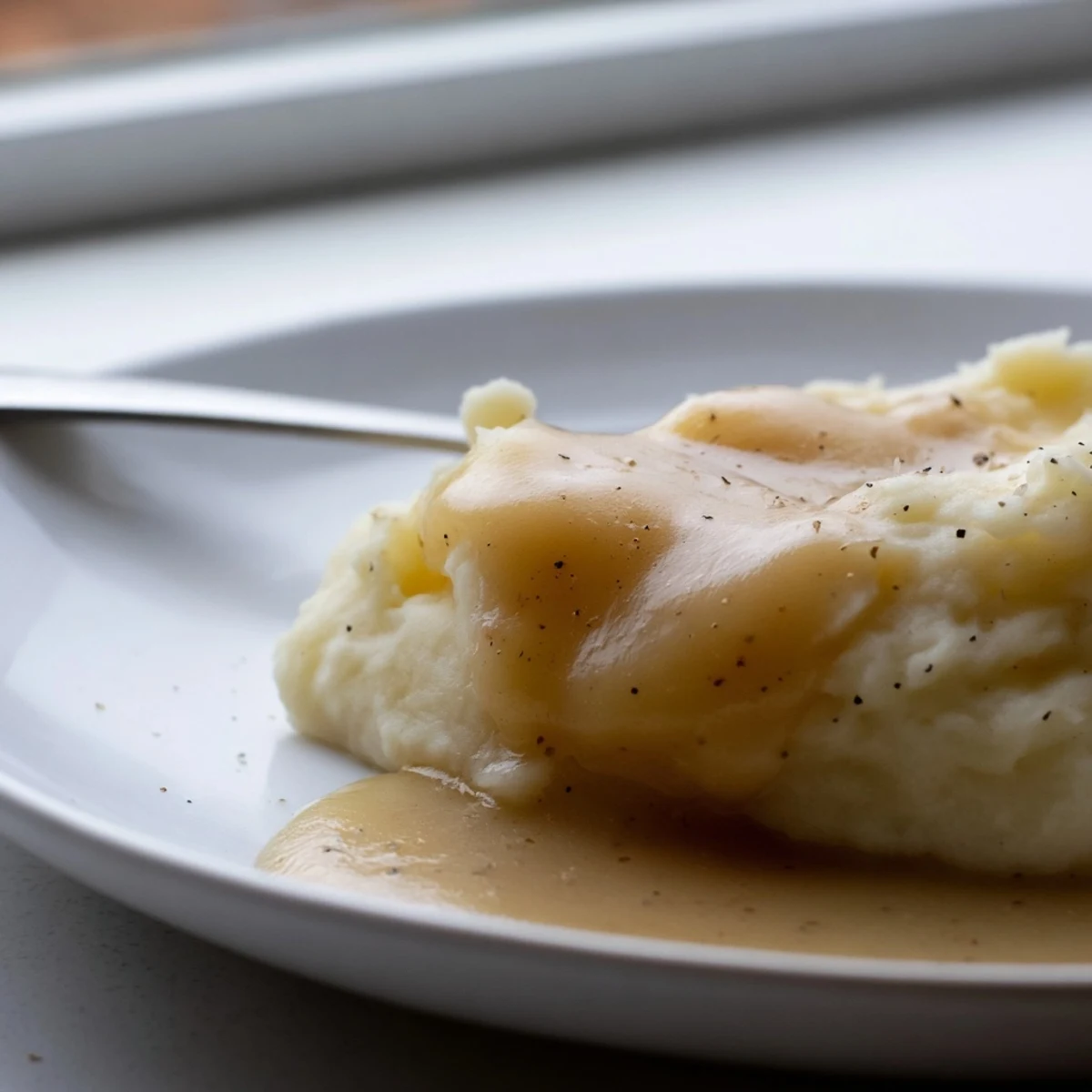
Save Master the art of creating velvety smooth gravy using a classic roux method. This versatile sauce transforms roast dinners and pairs beautifully with mashed potatoes or stuffing.
The technique involves melting butter, whisking in flour to create a golden roux, then gradually incorporating warm stock while stirring continuously. Season simply with salt and pepper, adding thyme or sage for herbal depth.
Ready in just 20 minutes, this gravy yields enough for four servings and can be customized with pan drippings, cream, or shallots for enhanced flavor.
My grandmother never measured anything when making gravy, yet hers was always perfect. Watching her swirl her wooden whisk through the pan drippings after Sunday roasts was like witnessing magic. I spent years trying to replicate that instinctive approach, burning more flour than I care to admit. Now I understand that gravy rewards patience more than precision.
Last Thanksgiving, my brother actually asked for seconds on the gravy before taking more turkey. That small moment felt like winning some kind of kitchen award. There is something deeply satisfying about watching a roux bloom into silky perfection right before your eyes.
Ingredients
- Unsalted butter: The foundation of flavor, though pan drippings from a roast make this even more spectacular
- All-purpose flour: Creates the roux that thickens your sauce into velvety richness
- Low-sodium chicken stock: Starting with less salt lets you control the final seasoning perfectly
- Kosher salt and black pepper: Essential for bringing all the flavors together
- Dried thyme or sage: Just a whisper of herbs makes everything taste more homemade
Instructions
- Melt the butter:
- Let it bubble gently in your saucepan over medium heat until it stops foaming
- Make the roux:
- Whisk in the flour and cook for 2 to 3 minutes, stirring constantly until it smells like toasted nuts
- Add the stock:
- Pour it in gradually while whisking vigorously, allowing each splash to incorporate before adding more
- Simmer to perfection:
- Let the gravy bubble gently for about 10 minutes until it coats the back of a spoon
- Season thoughtfully:
- Taste first, then add salt, pepper, and herbs until everything tastes balanced
- Strain if desired:
- Pushing it through a fine-mesh sieve gives you that restaurant-smooth finish
 Save
Save This recipe became my go-to after a dinner party where someone actually asked what made the gravy taste so special. Sometimes the simplest dishes carry the most emotional weight at the table.
Making It Your Own
Vegetable stock works beautifully for a meat-free version, and a splash of cream at the end makes everything feel indulgent. I have discovered that a dash of soy sauce adds incredible depth without tasting obviously Asian.
Timing Everything Right
The trick is starting your gravy when the meat rests, so it finishes just as everything else hits the table. Hot gravy over slightly cooled food creates this perfect temperature balance that restaurant kitchens understand well.
Serving Suggestions
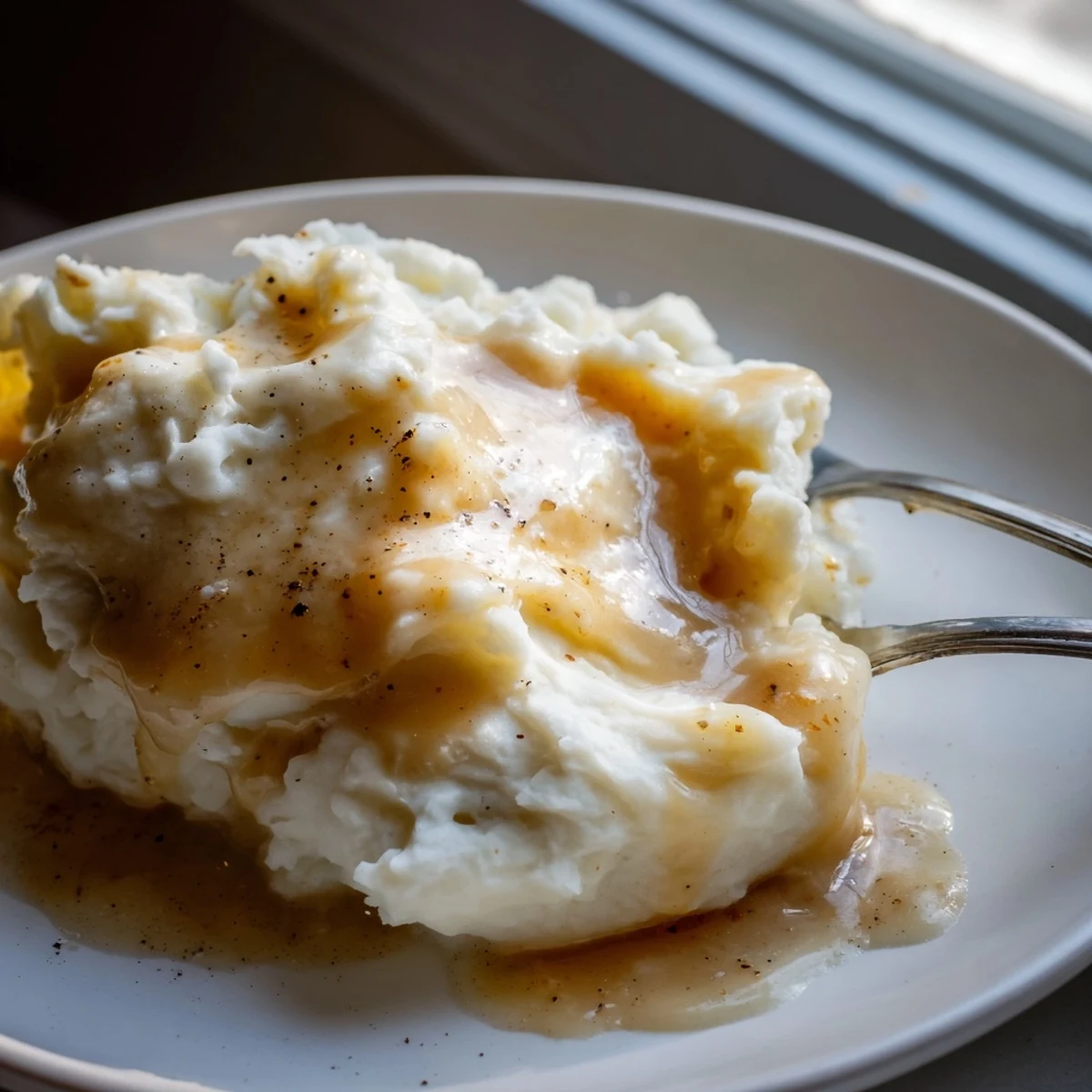
This gravy elevates everything from mashed potatoes to roasted vegetables to leftover turkey sandwiches. It keeps in the refrigerator for three days and freezes surprisingly well for those busy weeknight meals.
- Make a double batch during holidays because leftover gravy is precious
- Warm any leftovers gently with a splash of stock to restore the silky texture
- Pour over frozen biscuits before baking for an epic comfort food upgrade
 Save
Save Good gravy turns a simple meal into something people remember. Hope this recipe becomes part of your kitchen traditions too.
Recipe FAQs
- → How do I prevent lumps in my gravy?
-
Whisk flour into melted butter until smooth before adding liquid. Pour stock gradually while whisking continuously to ensure even distribution and prevent clumping.
- → Can I make this gravy ahead of time?
-
Yes, prepare up to 2 days in advance and refrigerate. Reheat gently over low heat, adding small amounts of stock or water to reach desired consistency.
- → What's the best way to thicken gravy if it's too thin?
-
Create a slurry by mixing equal parts flour and cold water, then whisk into simmering gravy. Alternatively, continue cooking to reduce and thicken naturally.
- → Can I use pan drippings instead of butter?
-
Absolutely. Pan drippings from roasted meat add incredible depth. Skim excess fat first, then use drippings in place of butter for the roux base.
- → How can I add more flavor to basic gravy?
-
Sauté minced shallots in butter before adding flour. Add a splash of cream for richness, soy sauce for umami, or incorporate fresh herbs like thyme and sage.
- → Is this suitable for vegetarians?
-
Make vegetarian by using vegetable stock and butter instead of chicken stock. The roux method remains the same, creating equally satisfying results.