
 Save
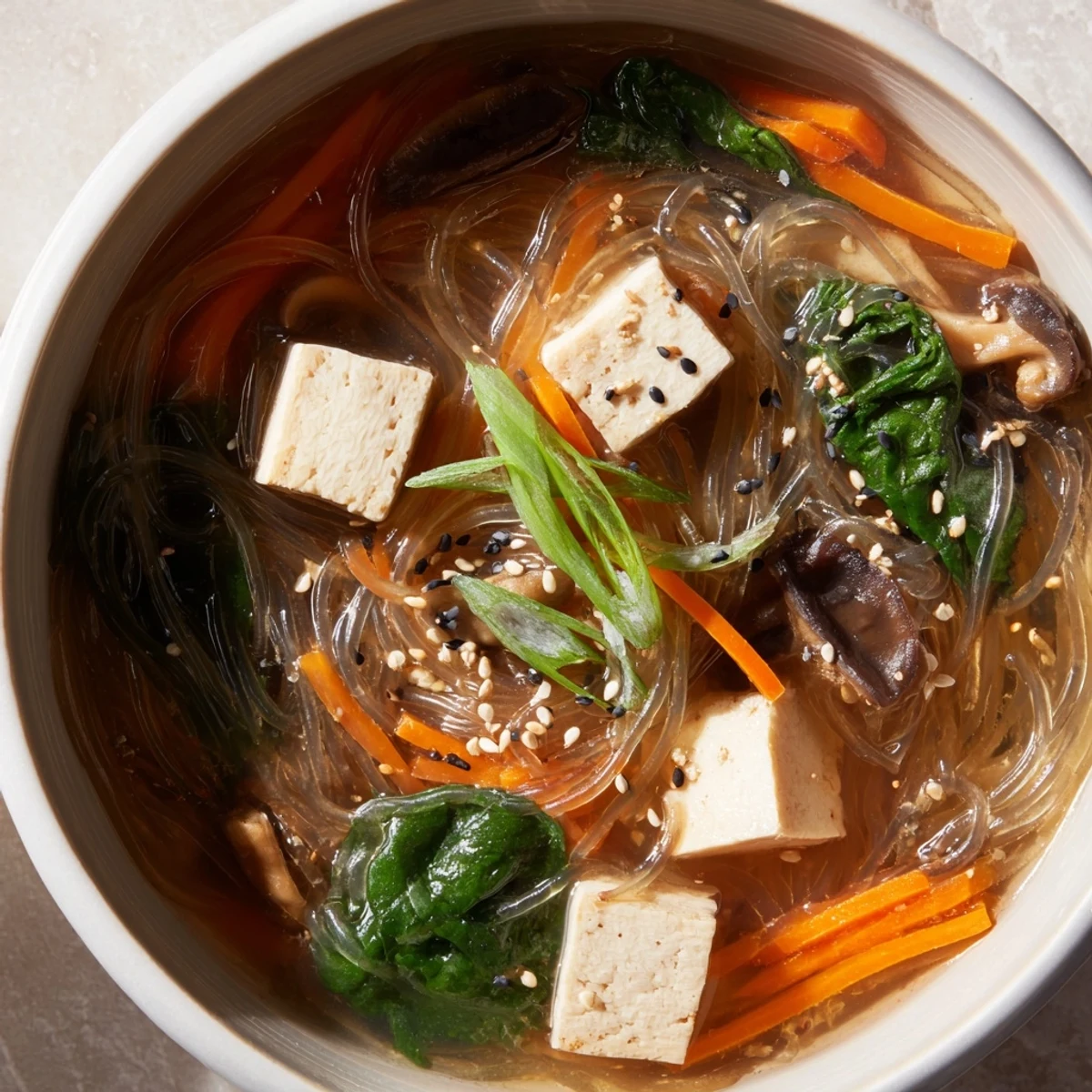
Save This Japanese classic brings together translucent glass noodles simmered in a delicate dashi broth with julienned carrots, shiitake mushrooms, and fresh greens. The harusame noodles soak up the savory flavors while maintaining their signature springy texture, creating a satisfying bowl that's both nourishing and gentle on the palate.
Ready in under 30 minutes, this versatile dish adapts beautifully to your preferences—add tofu for protein or shredded chicken for heartier versions. The finishing touch of toasted sesame seeds adds a nutty aroma that perfectly complements the umami-rich broth.
Theres something almost magical about the way glass noodles transform in hot broth, turning from translucent threads into slippery, comforting strands. I first discovered harusame during a rainy season in Tokyo, where tiny noodle shops served steaming bowls that felt like a warm embrace. The delicate nature of these noodles taught me patience, and the clean, restorative quality of the soup became my go-to whenever I needed something gentle yet satisfying.
Last winter, when everyone around me seemed to be fighting off colds, I made massive batches of this soup for friends. They would show up at my door, tired and sniffly, and leave with takeaway containers cradled like precious cargo. Something about the umami rich dashi and the warmth of sesame oil just feels restorative in a way thats hard to explain but impossible to deny.
Ingredients
- 5 cups dashi stock: The soul of Japanese cooking, but quality low sodium broth works beautifully in a pinch
- 2 tbsp soy sauce: Adds that essential salty depth, adjust based on your preference
- 1 tbsp mirin: Brings a subtle sweetness that balances the soy sauce perfectly
- 1 tsp sesame oil: A little goes a long way, this adds aromatic richness
- 100 g harusame noodles: These delicate glass noodles absorb flavors beautifully
- 1 medium carrot, julienned: Adds sweetness and a satisfying crunch
- 100 g shiitake mushrooms, thinly sliced: Earthy and meaty, they deepen the broth
- 60 g baby spinach or bok choy: Wilts beautifully into the hot soup
- 1 spring onion, finely sliced: Fresh oniony brightness to cut through the richness
- 100 g firm tofu, cubed: Optional protein that soaks up all the savory flavors
- 1 tsp toasted sesame seeds: For that nutty finish and extra texture
Instructions
- Build your flavorful broth base:
- Combine dashi stock, soy sauce, mirin, sesame oil, and salt in a large saucepan. Let it come to a gentle simmer, letting the aromatics mingle and the kitchen start to smell like comfort.
- Add the hearty vegetables first:
- Toss in the julienned carrots and sliced shiitake mushrooms. These need about 5 minutes to soften and release their flavors into the broth.
- Add tofu if using:
- Drop in those tofu cubes gently and let them warm through for another 2 minutes. Theyll absorb the broth and become little flavor bombs.
- Prepare the glass noodles:
- While the broth simmers, place harusame in a heatproof bowl and cover with boiling water. Let them soak for 4 to 5 minutes until tender, then drain and divide among your serving bowls.
- Wilt in the greens:
- Add spinach or bok choy to the simmering broth and cook for just 1 minute. You want them barely wilted, still vibrant and fresh tasting.
- Bring it all together:
- Ladle the hot broth and vegetables over the waiting noodles in each bowl. Make sure everyone gets plenty of that precious liquid.
- Finish with love:
- Sprinkle with toasted sesame seeds and extra spring onion. Serve immediately while everything is steaming hot and the noodles are at their perfect slippery texture.
 Save
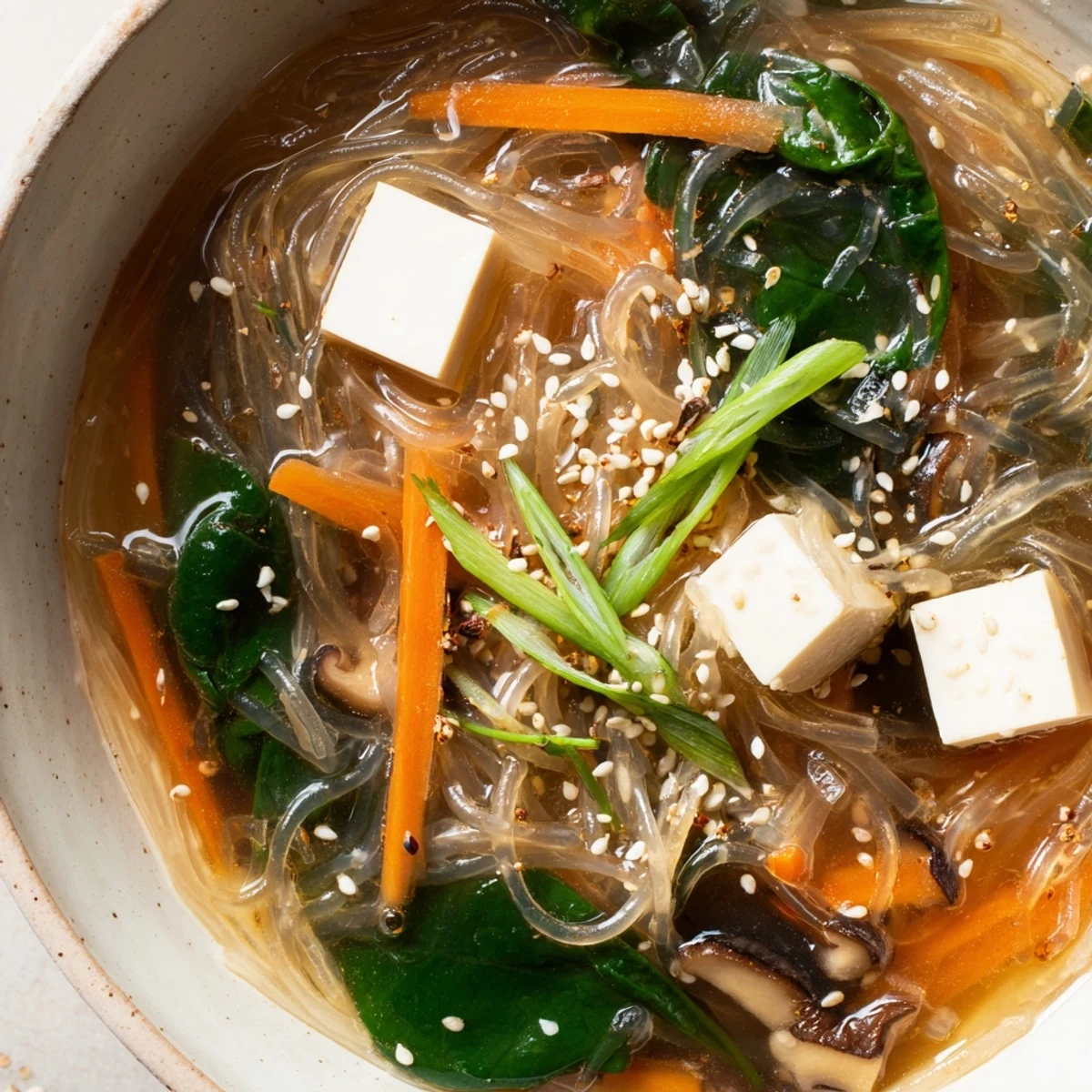
Save My daughter now requests this soup whenever shes feeling under the weather, calling it my magic noodle potion. Theres something deeply satisfying about seeing a simple bowl of noodles become someones comfort food of choice, a small tradition that started with a rainy day in Japan.
Building The Perfect Broth
Ive learned that the secret to restaurant quality soup at home is patience during the initial broth building stage. Letting the soy sauce, mirin, and sesame oil mingle with the dashi before adding vegetables creates layers of flavor that rushing just cant achieve.
Noodle Timing Secrets
After too many batches of soggy noodles, I discovered that preparing them separately in boiling water, then dividing among bowls before adding the hot broth, keeps their texture perfect. They continue to soften slightly from the hot broth but never reach that unfortunate mushy stage.
Make It Your Own
The beauty of this soup is its adaptability. Ive made it with whatever vegetables were languishing in my crisper drawer, from snow peas to thinly sliced cabbage, and its never disappointed. The only non negotiable elements are the seasoning balance and those delicate glass noodles.
- Add a soft boiled egg for extra protein and richness
- A drizzle of chili oil transforms it into something entirely new
- Leftover broth keeps beautifully for 3 days in the refrigerator
 Save
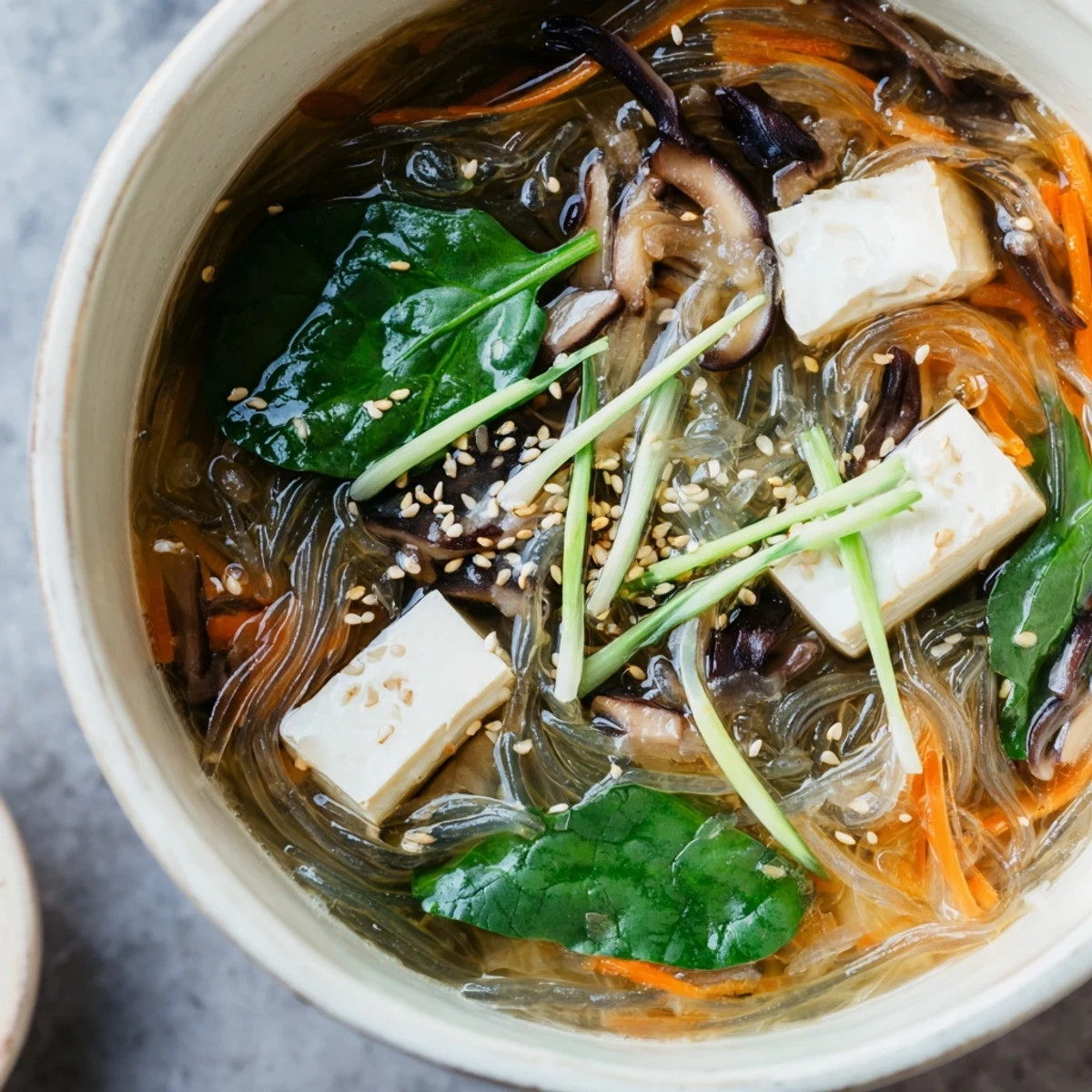
Save Theres a quiet joy in a bowl of soup that nourishes without weighing you down, and this recipe has become my answer to almost any craving for comfort.
Recipe FAQs
- → What are harusame noodles?
-
Harusame are Japanese glass noodles made from mung bean starch, potato starch, or sweet potato starch. They're translucent, gluten-free, and have a delicate springy texture that absorbs flavors beautifully while maintaining a pleasant chewiness.
- → Can I make this vegetarian?
-
Absolutely. Substitute traditional dashi (which contains bonito flakes) with vegetable broth or kombu dashi for a fully vegetarian version. The flavor profile remains delicious and satisfying with plant-based alternatives.
- → How long do glass noodles take to cook?
-
Harusame noodles cook very quickly—just 4-5 minutes in boiling water. They're ready when tender but still slightly firm to the touch. Avoid overcooking as they can become mushy and lose their signature texture.
- → What vegetables work best in this soup?
-
Carrots, shiitake mushrooms, spinach, and bok choy are traditional choices, but you can also add napa cabbage, snow peas, enoki mushrooms, or wakame seaweed for variation and extra nutrition.
- → Can I make this ahead of time?
-
The broth can be prepared up to 2 days in advance and refrigerated. However, cook the noodles fresh before serving as they tend to absorb liquid and become soft if left sitting in the soup for too long.
- → How can I add more protein?
-
Firm tofu cubes work beautifully in the light broth. For non-vegetarian options, add shredded cooked chicken, soft-boiled eggs, or even shrimp during the last few minutes of cooking.