
 Save
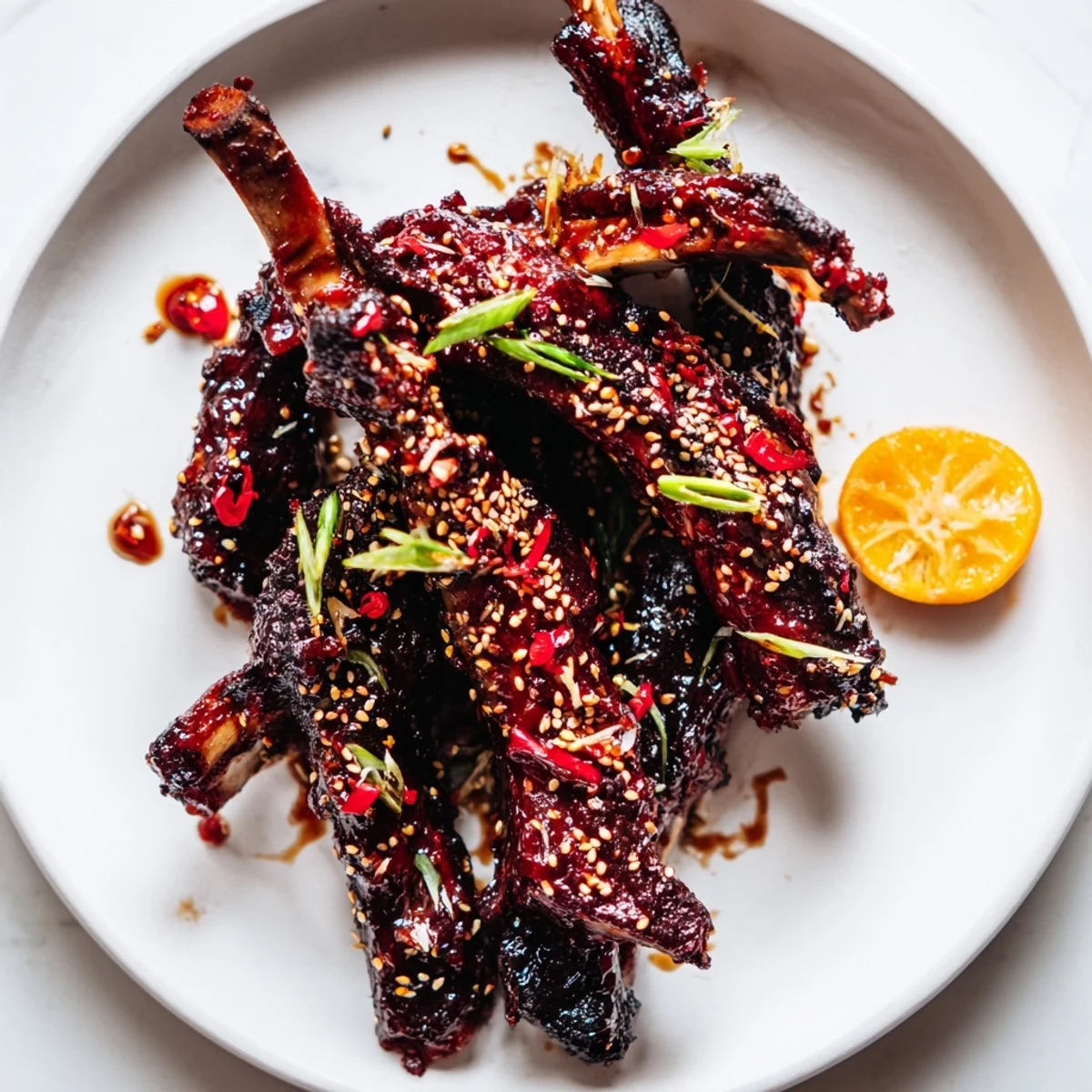
Save These Korean BBQ lamb ribs are marinated in a rich blend of gochujang, soy sauce, sesame oil, and honey, then slow-roasted to tender perfection before getting a final char on the grill.
A bright squeeze of fresh yuzu juice cuts through the savory-sweet glaze, balancing each bite with vibrant citrus notes.
Serve with steamed rice, kimchi, or grilled vegetables for a complete Korean fusion spread that feeds four.
The sizzle of lamb ribs hitting a hot grill is one of those sounds that makes everyone in the house wander toward the kitchen. My neighbor actually knocked on my door once asking what I was cooking because the smell of gochujang and caramelized honey had drifted through the open window. Korean BBQ lamb ribs with a bright hit of yuzu became my answer to every summer gathering that year. The combination of sticky, spicy, and citrus is downright addictive.
I made these for my brothers birthday one rainy October evening when the grill was absolutely not happening outside. We used the broiler instead and honestly the results were so good that I never bothered buying a grill after that. He stood at the counter eating ribs straight off the tray with his bare hands while I was still plating.
Ingredients
- Lamb ribs (1.5 kg): Ask your butcher for racks that have good meat coverage because thin ribs dry out during the long roast.
- Soy sauce (4 tablespoons): Gluten-free tamari works beautifully here and adds a deeper, rounder saltiness than standard soy sauce.
- Gochujang (2 tablespoons): This Korean chili paste is the backbone of the flavor so do not skimp or substitute with sriracha.
- Sesame oil (2 tablespoons): Toasted sesame oil is what you want for its nutty depth, not the neutral variety.
- Honey (2 tablespoons): Helps create that gorgeous sticky glaze and balances the fermented heat of the gochujang.
- Garlic (4 cloves, minced): Fresh garlic matters here because the raw bite mellows into something sweet during roasting.
- Fresh ginger (2 tablespoons, grated): Grate it finely so it melts into the marinade instead of leaving stringy bits on the ribs.
- Rice vinegar (1 tablespoon): A mild acid that tenderizes the meat without overpowering the other flavors.
- Brown sugar (1 tablespoon): Works with the honey to build caramelization during that final blast under the broiler.
- Black pepper (1 teaspoon, freshly ground): Pre-ground pepper tastes flat so take the extra thirty seconds to grind your own.
- Spring onions (2, finely chopped): These go into the marinade and add a gentle allium sweetness that cooked onions cannot replicate.
- Fresh yuzu or yuzu juice (1 fruit or 3 tablespoons): If you cannot find fresh yuzu, a blend of equal parts lemon and lime juice is a solid stand-in.
- Toasted sesame seeds (1 tablespoon): Toast them in a dry pan yourself because the pre-toasted ones from the store taste stale.
- Spring onions for garnish (2, thinly sliced): Slice these on a sharp diagonal for visual appeal and a crisp raw bite.
- Red chili (1, finely sliced, optional): Leave the seeds in if you want real heat, or remove them for just a pretty garnish.
Instructions
- Build the marinade:
- Whisk together the soy sauce, gochujang, sesame oil, honey, garlic, ginger, rice vinegar, brown sugar, pepper, and chopped spring onions in a large bowl until everything is smooth and fragrant. Taste it on your finger because the marinade should hit salty, sweet, and spicy all at once.
- Coat the ribs:
- Place the lamb ribs in a large resealable bag or a shallow dish and pour the marinade over them, massaging it into every surface. Let them sit in the refrigerator for at least one hour, though overnight transforms the flavor entirely.
- Set up the roast:
- Preheat your oven to 160 degrees Celsius and line a baking sheet with foil, then set a wire rack on top. Arrange the ribs on the rack meaty side up and save whatever marinade pools at the bottom of the bag.
- Slow roast:
- Roast the ribs for one full hour, brushing them with the reserved marinade about halfway through so the flavor builds in layers. Your kitchen will start smelling incredible around the forty minute mark.
- Char and caramelize:
- Crank up the broiler or grill to high and transfer the ribs over to get direct heat for three to five minutes per side. Watch them closely because the line between beautifully charred and burnt is thinner than you think.
- Finish with yuzu:
- Pull the ribs off the heat and immediately squeeze fresh yuzu juice all over the sticky surface. Sprinkle with sesame seeds, sliced spring onions, and chili if you are using it, then serve with extra yuzu wedges alongside.
 Save
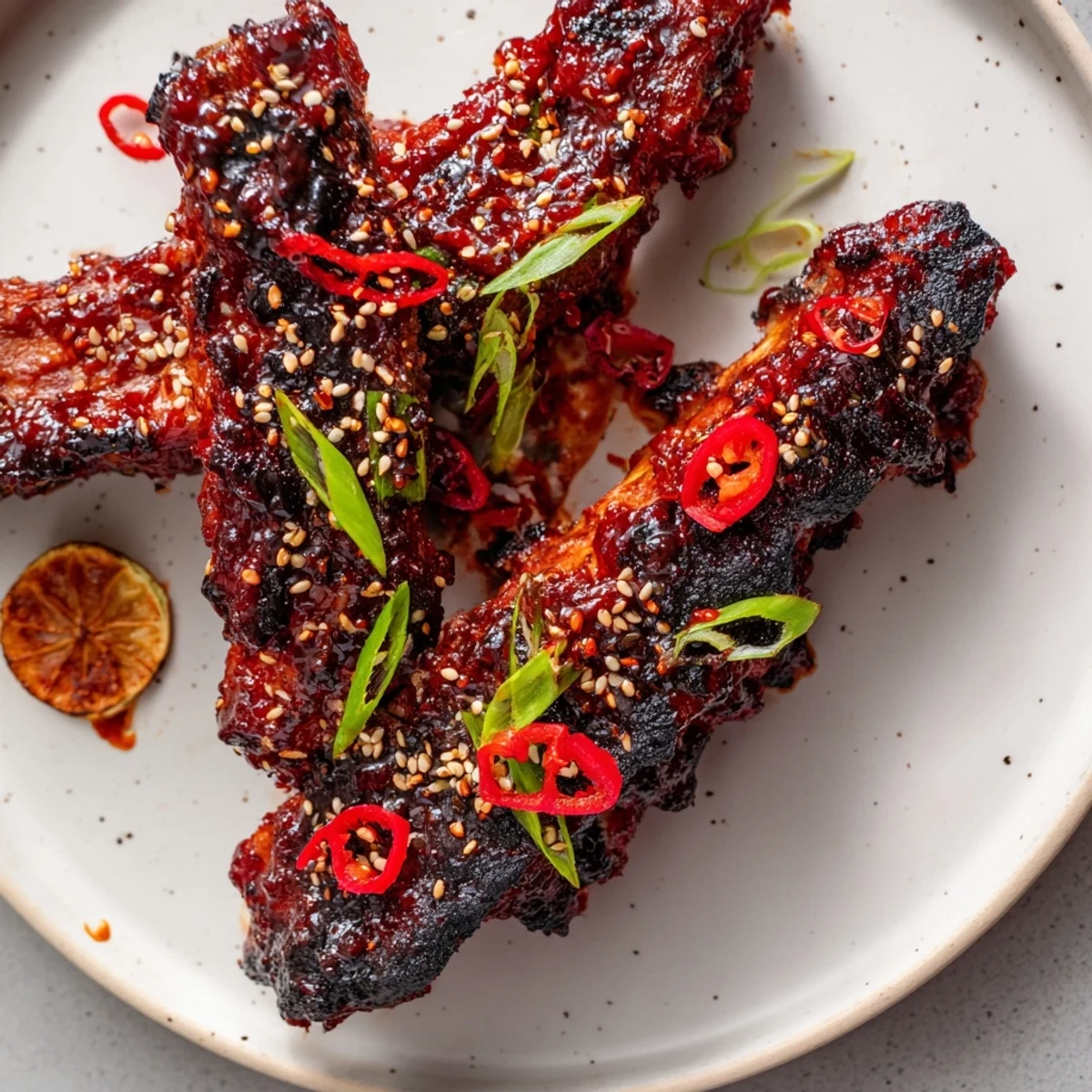
Save There is something deeply satisfying about watching a rack of ribs go from pale and slippery to dark and glossy over the course of an hour. The moment you squeeze that yuzu over the hot sticky surface and hear a tiny sizzle is pure kitchen magic.
What to Serve Alongside
Steamed white rice is the obvious choice because it soaks up every drop of the sticky marinade that pools on the plate. A simple plate of kimchi adds fermented crunch that mirrors the gochujang flavors in the ribs. Grilled king oyster mushrooms or charred zucchini also work wonderfully if you want more vegetables on the table without extra effort.
Handling the Allergens
This recipe contains soy and sesame as built-in allergens, and gochujang can be sneaky because some brands include wheat in their fermentation process. Always read the label on your gochujang tub carefully if you are cooking for someone with gluten sensitivity. Tamari is a reliable one-to-one swap for soy sauce that keeps the dish gluten-free without sacrificing flavor.
Making It Your Own
Once you master the base marinade you can start playing with the balance to suit your taste. Some nights I double the gochujang when I want real fire, and other times I add a splash of orange juice to the marinade for a fruitier edge.
- Try replacing the honey with maple syrup for a different kind of sweetness that still caramelizes beautifully.
- If lamb ribs are unavailable, baby back ribs work with the exact same method and timing.
- Always let the ribs rest for five minutes before cutting so the juices redistribute instead of running out onto the board.
 Save
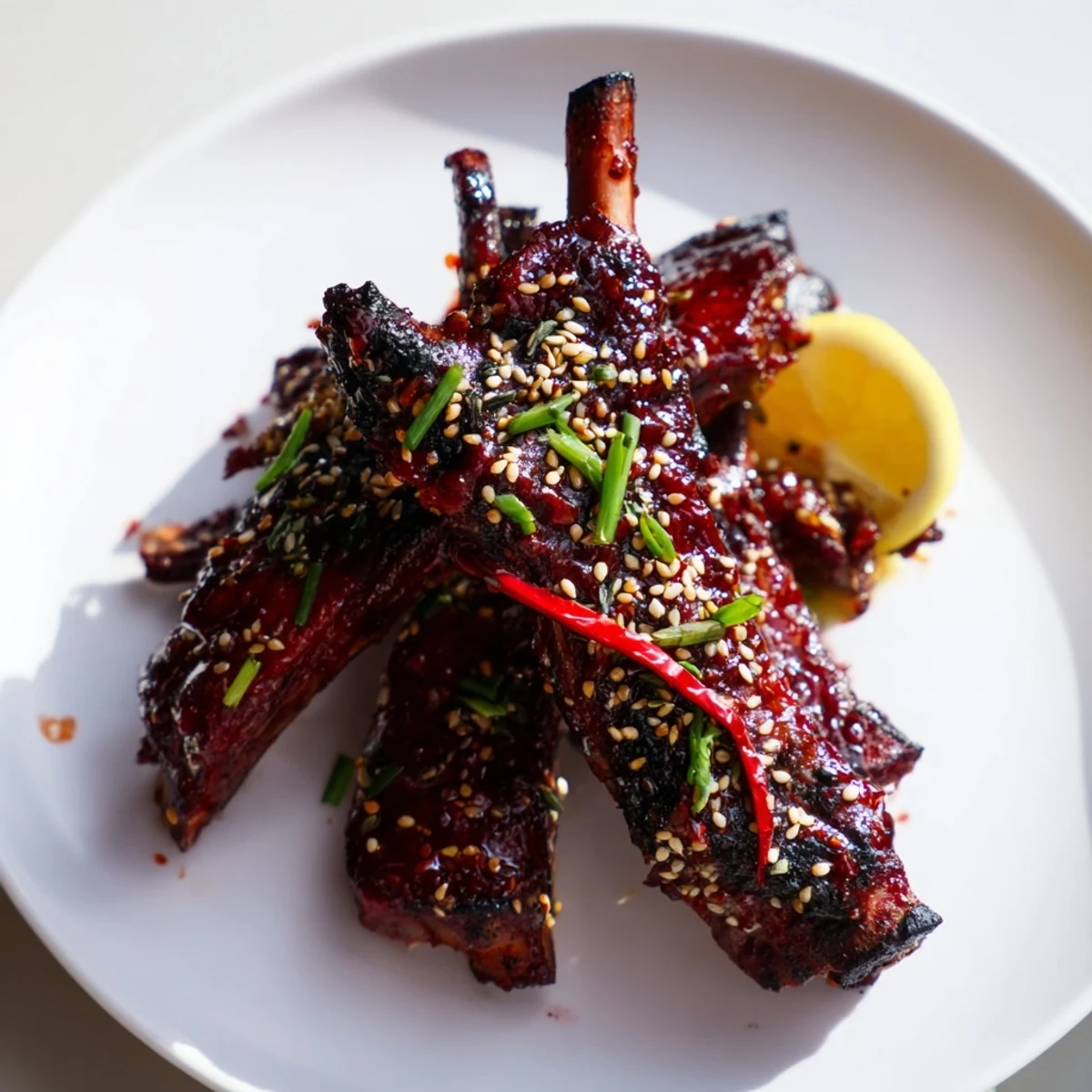
Save These ribs have a way of turning a regular Tuesday dinner into something that feels like a celebration. Just make more than you think you need because people always come back for seconds.
Recipe FAQs
- → Can I substitute yuzu with another citrus?
-
Yes, if you cannot find fresh yuzu, a mix of equal parts lemon and lime juice makes an excellent substitute. Meyer lemon alone also works well, offering a similar floral citrus quality.
- → How long should I marinate the lamb ribs?
-
Minimum marination time is 1 hour, but for the best results, let the ribs sit in the marinade overnight in the refrigerator. This allows the gochujang, soy, and ginger to deeply penetrate the meat.
- → Can I cook these ribs entirely on the grill?
-
For the most tender result, the two-step method of roasting then grilling is recommended. However, you can cook them low and slow on a grill with indirect heat for about 1.5 hours, then finish over direct flame for caramelization.
- → What is gochujang and where can I find it?
-
Gochujang is a fermented Korean chili paste that delivers savory, sweet, and spicy flavors. It is available at most Asian grocery stores, well-stocked supermarkets, and online. Check the label for gluten-free varieties if needed.
- → What sides pair well with Korean BBQ lamb ribs?
-
Steamed white rice, kimchi, pickled radish, and grilled vegetables like zucchini or eggplant are all excellent accompaniments. A simple cucumber salad with sesame dressing also complements the rich, bold flavors.
- → How do I store and reheat leftovers?
-
Store leftover ribs in an airtight container in the refrigerator for up to 3 days. Reheat in a 180°C (350°F) oven for 10-15 minutes or on a medium grill until warmed through, to maintain the caramelized exterior.