
 Save
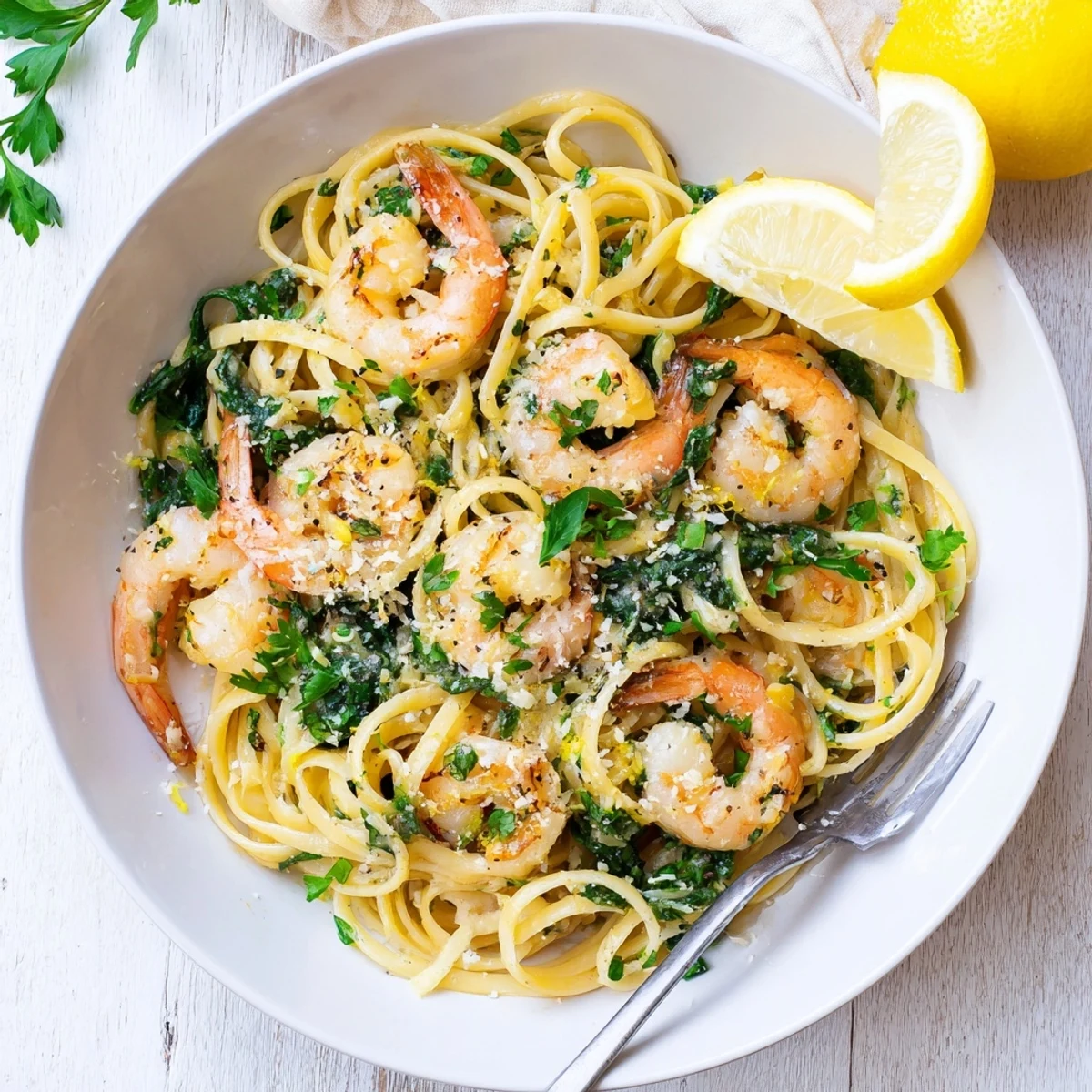
Save This vibrant pasta combines succulent shrimp with fresh baby spinach in a bright lemon-garlic sauce. The dish balances tangy lemon juice, aromatic garlic, and a touch of butter for a silky finish.
Perfect for busy weeknights, this Italian-American classic cooks in just 30 minutes from start to finish. The white wine deglazes the pan, creating a light sauce that clings beautifully to al dente linguine.
Finish with fresh parsley and Parmesan for an elegant touch, or keep it simple with lemon wedges. Substitute scallops or chicken, add extra vegetables, or swap in gluten-free pasta to suit your needs.
The first time I made this shrimp pasta, my kitchen filled with such an incredible garlic-lemon aroma that my neighbor actually knocked on the door to ask what I was cooking. I'd been experimenting with weeknight meals that felt fancy but came together in under thirty minutes, and this one immediately earned a permanent spot in my regular rotation. There's something about the combination of bright lemon, fragrant garlic, and perfectly cooked shrimp that transforms a simple pasta night into something special.
Last Tuesday, after an unexpectedly chaotic day at work, I found myself craving something comforting but not heavy. I threw this together, and as I sat at my counter twirling pasta onto my fork, I realized that sometimes the best meals are the ones that remind you to slow down and actually taste what you're eating.
Ingredients
- 340 g linguine or spaghetti: I always salt my pasta water aggressively; it's the only chance to season the pasta itself
- 450 g large shrimp: Buy them already peeled and deveined to save precious minutes on busy weeknights
- 4 cloves garlic: Thinly slicing the garlic instead of mincing gives you mellow, sweet pockets of flavor rather than harsh bites
- 120 ml dry white wine: If you don't cook with alcohol, chicken broth works beautifully and still adds depth
- 1 large lemon: Both zest and juice are essential; the zest gives you concentrated aromatic lemon oil while the juice provides bright acidity
- 120 g baby spinach: It wilts down dramatically, so don't be afraid of the large volume
- 2 tbsp unsalted butter: This finishes the sauce and gives it that luxurious restaurant-quality gloss
Instructions
- Get your pasta going first:
- Drop your pasta into generously salted boiling water and cook until al dente, then remember to reserve that half cup of starchy pasta water before draining; it's liquid gold for bringing your sauce together.
- Season your shrimp while you wait:
- Toss the shrimp with salt, pepper, and red pepper flakes in a bowl; let them sit while you prep everything else, so they're ready to hit the hot pan.
- Sear the shrimp to perfection:
- Heat olive oil in your large skillet over medium-high heat, add shrimp in a single layer, and cook for just 1 to 2 minutes per side until they turn pink and opaque; immediately remove them from the pan because they'll continue cooking in the residual heat.
- Build your aromatic base:
- In that same flavorful skillet, add your sliced garlic and let it sizzle for thirty seconds until fragrant but not brown, then pour in your white wine and scrape up all those delicious browned bits from the bottom with your wooden spoon.
- Bring it all together:
- Add the lemon zest and juice, return the shrimp to the pan, then toss in your cooked pasta, spinach, and butter, tossing everything until the spinach wilts and the sauce coats each strand of pasta, adding splashes of that reserved pasta water if needed.
 Save
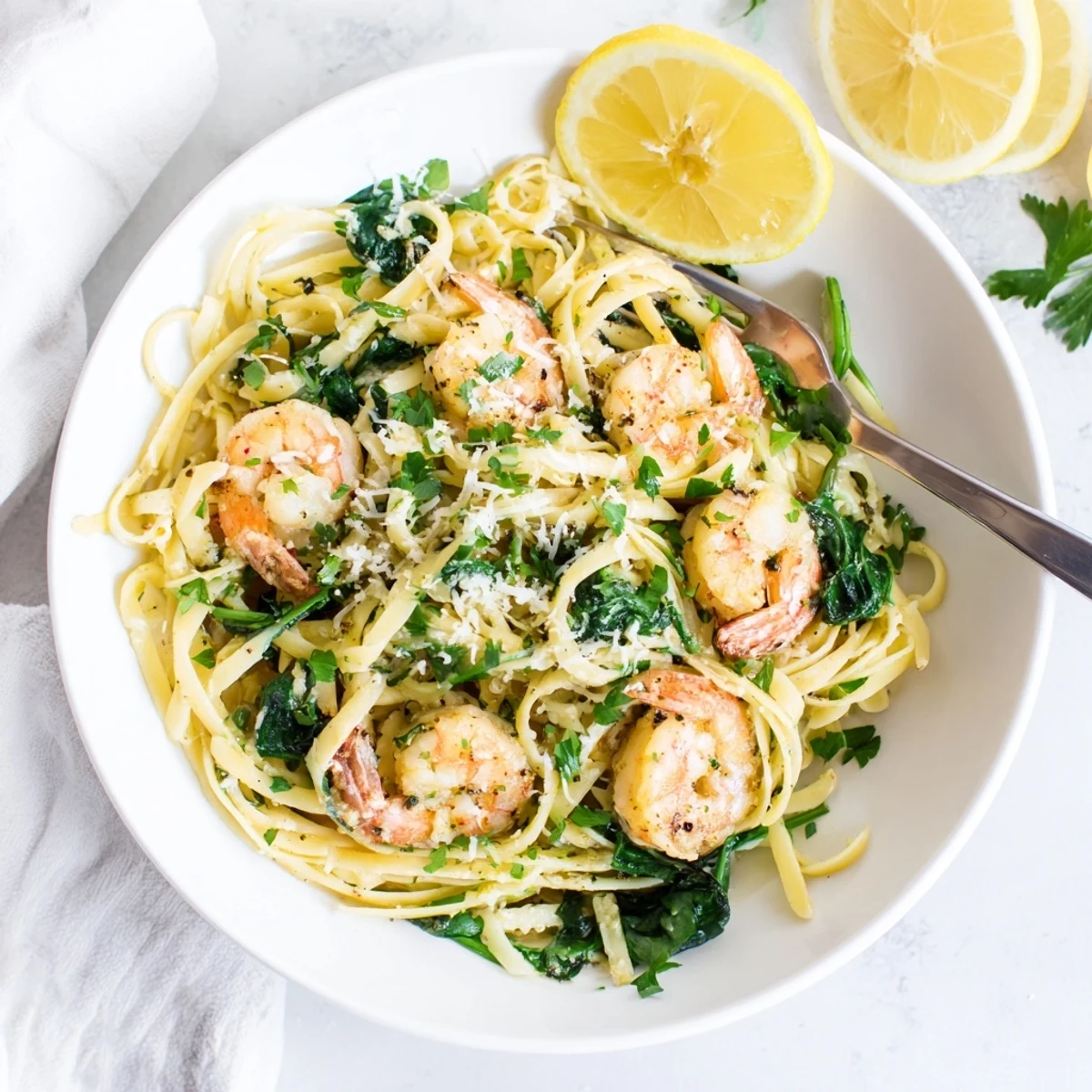
Save This recipe became my go-to date night dish when I realized it feels elegant enough for company but casual enough that I'm not stressed in the kitchen. There's something intimate about standing at the stove, tossing pasta and drinking the rest of that white wine while someone you love sets the table.
Making It Your Own
I've made this with scallops when I wanted to splurge, and chicken breast works beautifully for anyone avoiding shellfish. Sometimes I add cherry tomatoes that burst in the pan, creating little pockets of sweetness that balance the sharp lemon.
Wine Pairing Magic
A crisp Sauvignon Blanc mirrors the lemon notes, while a buttery Chardonnay complements the richness. The best part is you can open the bottle while cooking and use a splash in the sauce, then pour yourself a glass; cooking and drinking the same wine always feels somehow satisfying.
Serving Suggestions
I keep it simple with a green salad dressed in nothing but olive oil and lemon juice, plus some crusty bread for sopping up that gorgeous sauce at the bottom of the bowl.
- Grate your Parmesan fresh from a block rather than buying pre-grated; the texture difference is remarkable
- Have lemon wedges at the table so guests can add an extra squeeze if they love bright flavors
- Don't forget to garnish with plenty of fresh parsley; it adds a fresh, herbal finish and makes everything look restaurant-beautiful
 Save
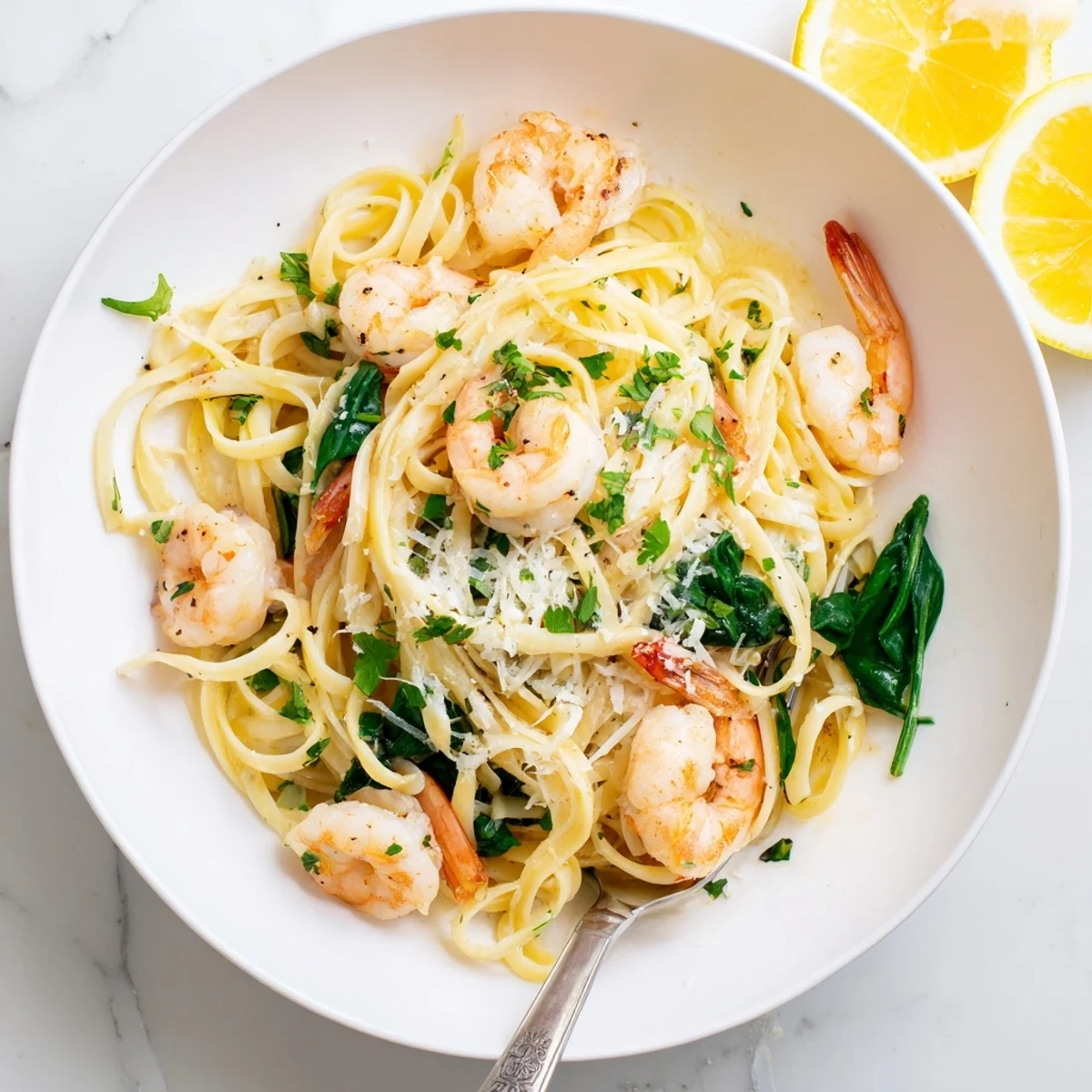
Save Some recipes are just practical; this one is pure joy in a bowl. I hope it finds its way into your regular rotation, too.
Recipe FAQs
- → Can I use frozen shrimp for this pasta?
-
Yes, thaw frozen shrimp completely before cooking. Pat them dry with paper towels to remove excess moisture, which helps achieve a nice sear and prevents the sauce from becoming watery.
- → What pasta works best with lemon garlic shrimp?
-
Linguine or spaghetti are ideal choices as their long strands capture the light lemon-garlic sauce beautifully. However, fettuccine, angel hair, or even penne would work well if that's what you have on hand.
- → Can I make this dish without wine?
-
Absolutely. Substitute an equal amount of chicken broth, vegetable broth, or even seafood stock for the white wine. The dish will still have plenty of bright lemon flavor without the alcohol.
- → How do I prevent the shrimp from becoming rubbery?
-
Cook shrimp just until opaque and curled, about 1-2 minutes per side. Remove them immediately once cooked through, as they'll continue cooking briefly from residual heat. Overcooking is the main cause of rubbery texture.
- → Can I add other vegetables to this dish?
-
Certainly. Cherry tomatoes, asparagus, broccoli florets, or bell peppers complement the lemon-garlic flavors well. Add heartier vegetables like asparagus when sautéing the garlic, and tender vegetables like spinach at the end.
- → How long will leftovers keep?
-
Store leftovers in an airtight container in the refrigerator for up to 2 days. Reheat gently with a splash of water or broth to refresh the sauce. Note that the pasta will absorb more liquid as it sits.