
 Save
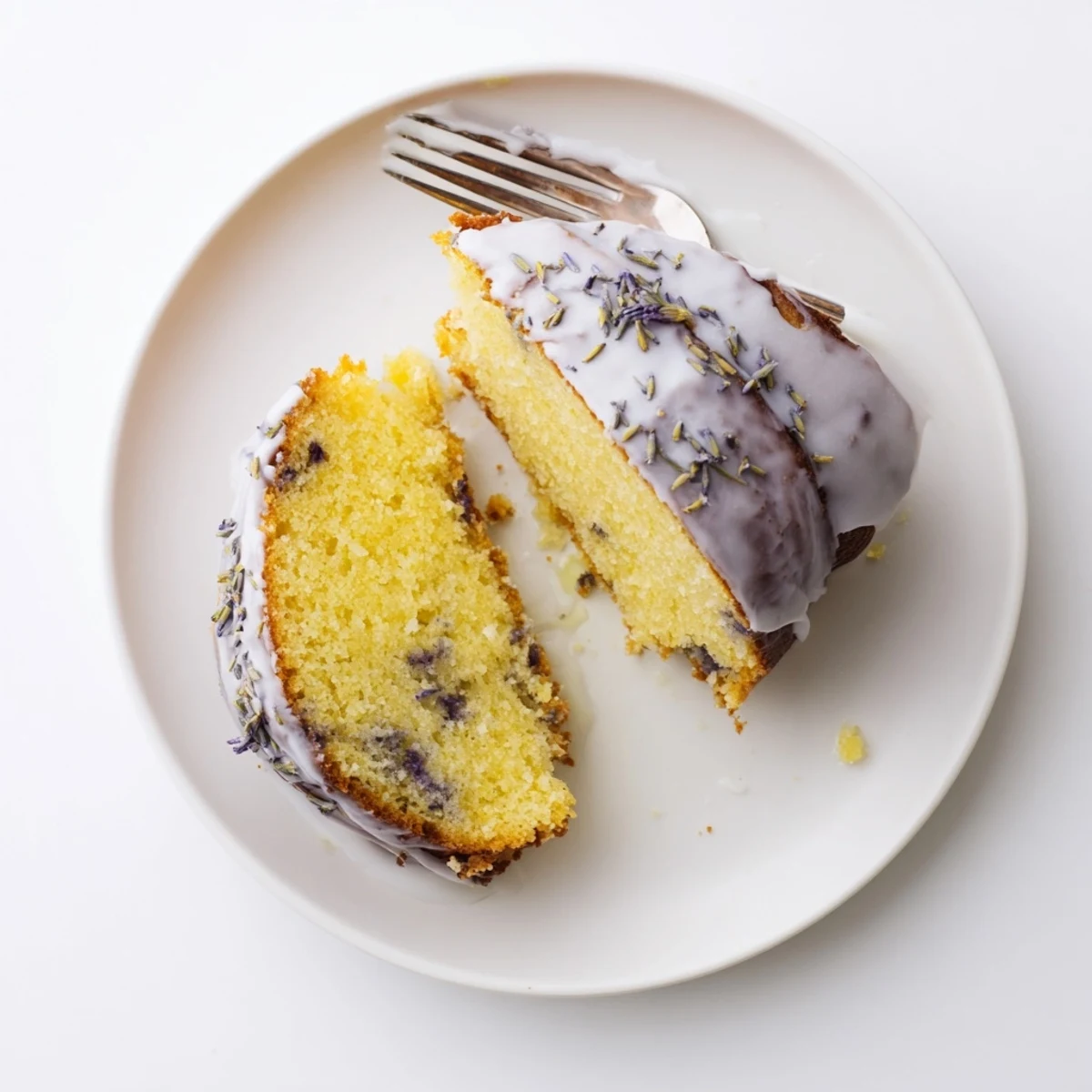
Save This elegant dessert brings together the bright freshness of lemon and the subtle floral perfume of lavender in a tender, moist crumb. The cake gets its aromatic depth from finely chopped culinary lavender folded into the batter, while lemon zest and fresh juice create a vibrant citrus foundation.
A simple powdered sugar glaze infused with more lemon juice adds sweetness and a lovely finish. The process is straightforward: cream butter and lemon-zest sugar, add eggs, then alternate dry ingredients with milk before folding in the fresh lemon juice. After 35 minutes in the oven, you'll have a golden cake perfect for spring gatherings, afternoon tea, or any occasion calling for something special.
The first time I encountered lemon and lavender together, I was sitting at a tiny café in Provence where the owner served me a slice that tasted like sunshine itself. I spent the next three years trying to recreate that memory, tweaking ratios and timing until my kitchen finally smelled like that afternoon. This cake became my go-to for birthdays, dinner parties, and those random Tuesdays when nothing but something fragrant and sweet will do.
My sister requested this for her wedding cake tasting, and I made five versions in one weekend to get it exactly right. The house smelled like a garden in bloom, and by the time she arrived, my husband had eaten almost half the failed attempts. She chose it anyway.
Ingredients
- 2 cups all-purpose flour: The foundation that holds everything together without making the cake dense or heavy
- 1 ½ teaspoons baking powder and ½ teaspoon baking soda: This dual combination gives you that beautiful rise and tender crumb structure
- ¼ teaspoon salt: Just enough to wake up all the flavors without tasting salty
- 1 tablespoon dried culinary lavender, finely chopped: Pulse this with a bit of the sugar so it disperses evenly instead of clustering in weird spots
- 1 cup granulated sugar plus zest of 2 lemons: Rub these together first, really work the zest into the sugar with your fingers until it becomes fragrant and slightly yellow
- ½ cup unsalted butter, softened: Room temperature butter is non-negotiable here, it needs to trap air pockets for that light texture
- 2 large eggs, room temperature: Cold eggs can seize the butter mixture and ruin your carefully creamed base
- 1 teaspoon vanilla extract: Pure vanilla only, nothing artificial that might compete with the delicate lavender
- ¾ cup whole milk: The milk fat contributes to tenderness, though low-fat works in a pinch
- ⅓ cup fresh lemon juice: Add this at the very end, the acid reacts with baking soda for one last lift of leavening
- 1 cup powdered sugar and 2–3 tablespoons fresh lemon juice for glaze: Start with 2 tablespoons juice and add more until it reaches that perfect pourable consistency
Instructions
- Get everything ready before you start:
- Preheat your oven to 350°F and prep your pan with butter and flour or parchment paper, nothing worse than batter ready and nowhere to bake it
- Whisk the dry team together:
- In a medium bowl, combine flour, baking powder, baking soda, salt, and that chopped lavender, making sure the lavender is well distributed
- Infuse your sugar:
- Work the lemon zest into the sugar with your fingers until it becomes fragrant and the sugar takes on a pale yellow color, this small step makes a huge difference
- Cream butter and sugar:
- Beat the butter into the lemon sugar for about 3 minutes until it looks pale and fluffy, creating those air pockets that make cake tender
- Add eggs one at a time:
- Beat in each egg completely before adding the next, then mix in the vanilla until everything is smooth and glossy
- Combine wet and dry:
- Alternate adding the flour mixture and milk, starting and ending with the dry ingredients, then fold in the lemon juice just until combined
- Bake until perfect:
- Pour the batter into your prepared pan, smooth the top, and bake for 30 to 35 minutes until a toothpick comes out clean
- Cool completely before glazing:
- Let the cake rest in the pan for 10 minutes, then turn it out onto a wire rack to cool fully before adding that glossy lemon glaze
 Save
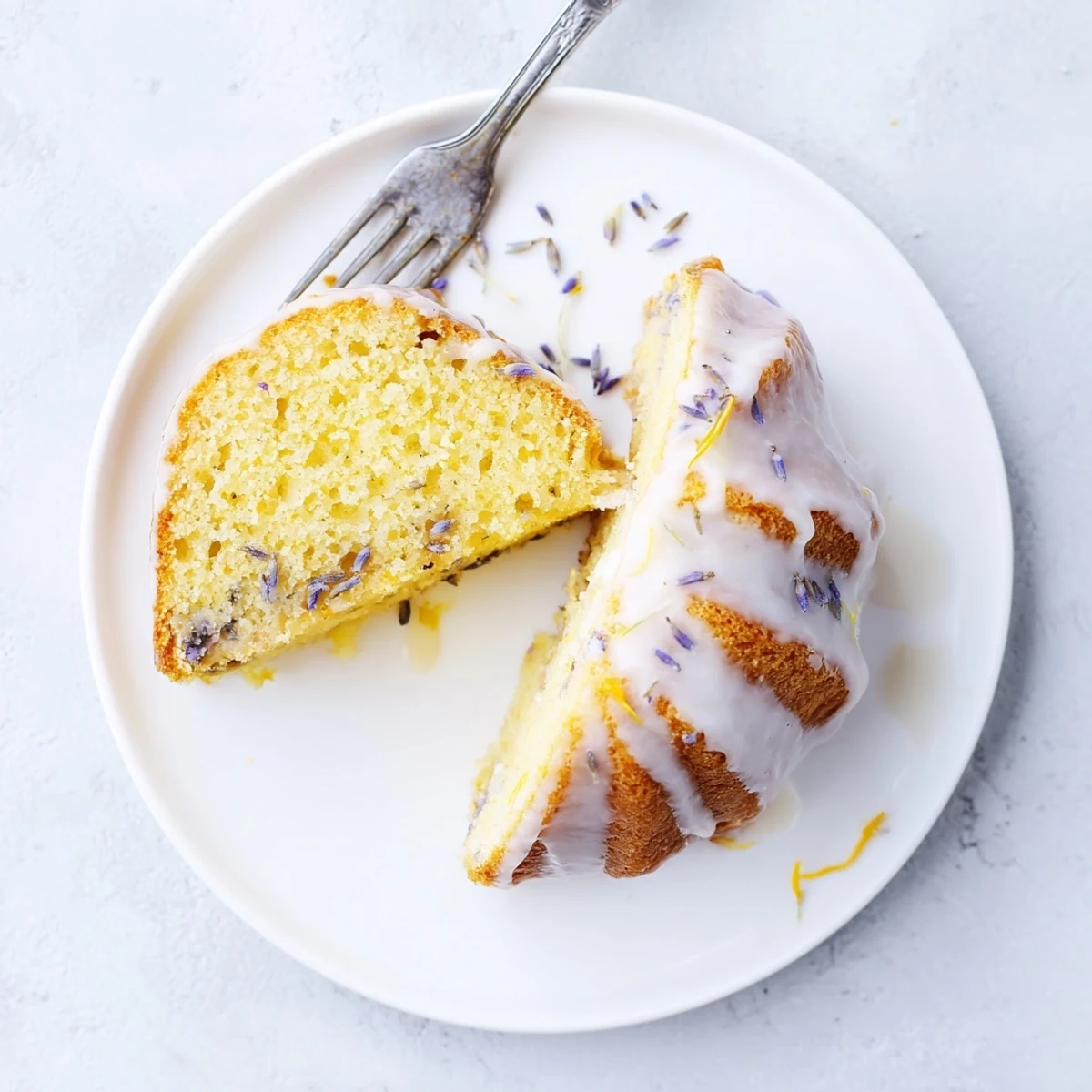
Save This was the first cake I ever made that convinced me baking could be art instead of just chemistry. Something about the way the flavors hit you differently with each bite, citrus first then that lingering floral whisper.
Making It Your Own
I have tried fresh lavender flowers in place of dried, and while beautiful, they can turn bitter during baking. If you want something more visually dramatic, press whole lavender buds into the glaze after pouring it rather than baking them into the cake itself.
Timing Is Everything
The window between perfectly baked and dry is smaller with this cake because of the lemon juice. Start checking at 28 minutes, and remove it immediately when the tester comes clean, those few minutes make all the difference between tender and crumbly.
Serving Suggestions
This cake deserves to be the star, served simply on a pretty plate with nothing to distract from its subtle elegance. I have found it pairs beautifully with subtle teas that do not compete.
- Earl Grey tea complements the floral notes without overpowering them
- Serve slightly warm if possible, the aromatics are much more pronounced
- A dollop of crème fraîche or lightly sweetened whipped cream adds a lovely contrast if you want something creamy alongside
 Save
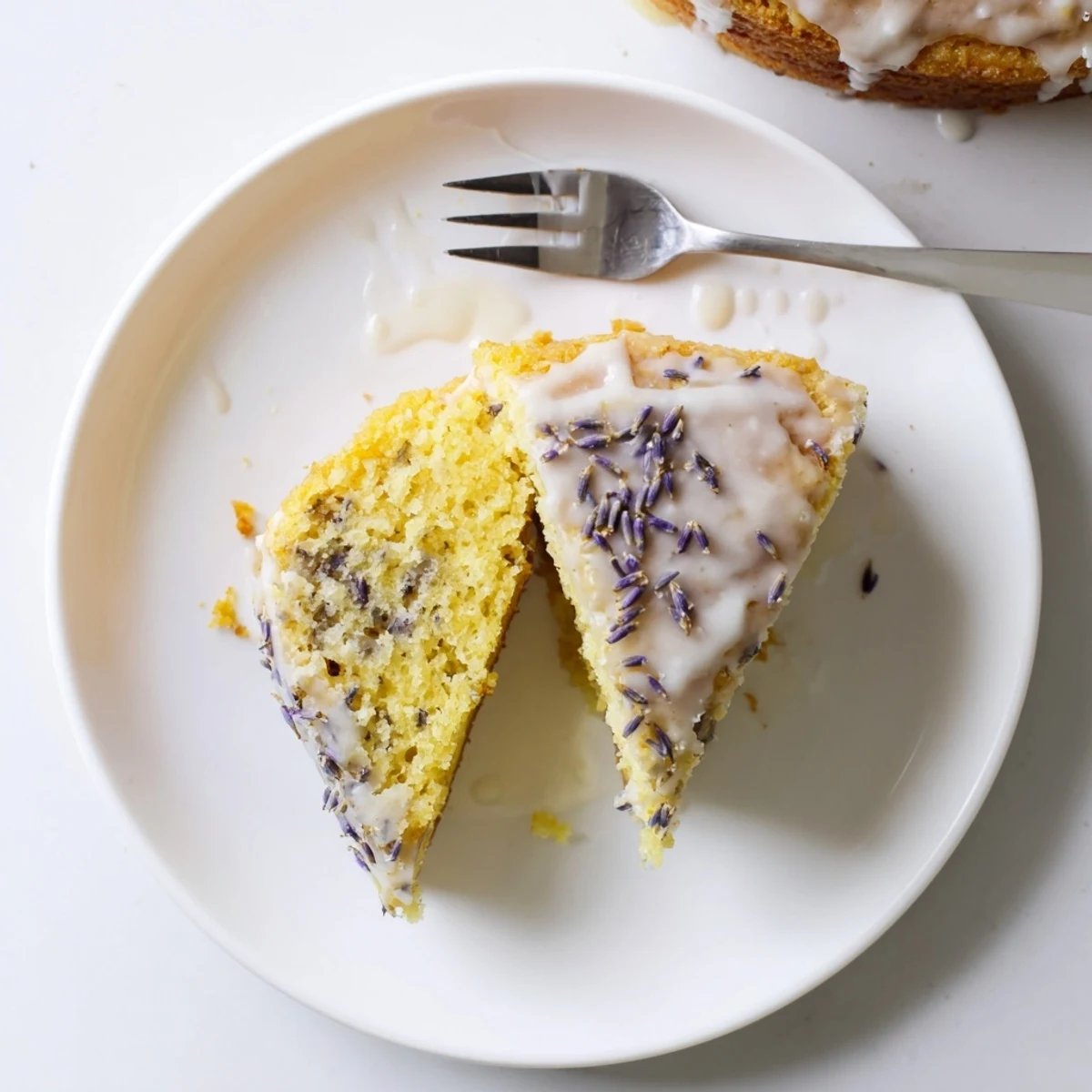
Save There is something almost magical about cutting into this cake and watching people take that first curious bite, their eyes widening as they try to place what they are tasting. This is the cake that converts lavender skeptics every single time.
Recipe FAQs
- → What type of lavender should I use?
-
Always use culinary-grade lavender specifically marked for food use. Potpourri or garden lavender may contain pesticides or have an overpowering scent. Culinary lavender has a milder, sweeter flavor profile perfect for baking.
- → Can I make this cake ahead of time?
-
Yes, the cake layers can be baked up to two days in advance and stored tightly wrapped at room temperature. Add the glaze shortly before serving for the freshest appearance and texture.
- → How do I prevent the lavender from being too strong?
-
Stick to the measured amount of one tablespoon dried lavender. Finely chopping the buds helps distribute the flavor evenly. If you're sensitive to floral tastes, start with half the amount and adjust in future batches.
- → What beverages pair well with this cake?
-
Earl Grey or chamomile tea complement the floral notes beautifully. For coffee lovers, a light roast balances the citrus brightness. A glass of sparkling wine or elderflower tonic also makes an elegant pairing.
- → Can I substitute fresh lavender for dried?
-
Fresh lavender has a higher water content and milder flavor than dried. Use three times the amount if substituting fresh, but be aware it may slightly affect the batter's consistency.
- → Why is my cake dense?
-
Overmixing once the flour is added develops gluten, creating a tough texture. Mix just until combined, and stop as soon as you no longer see dry streaks. Room-temperature ingredients also help create a lighter crumb.