
 Save
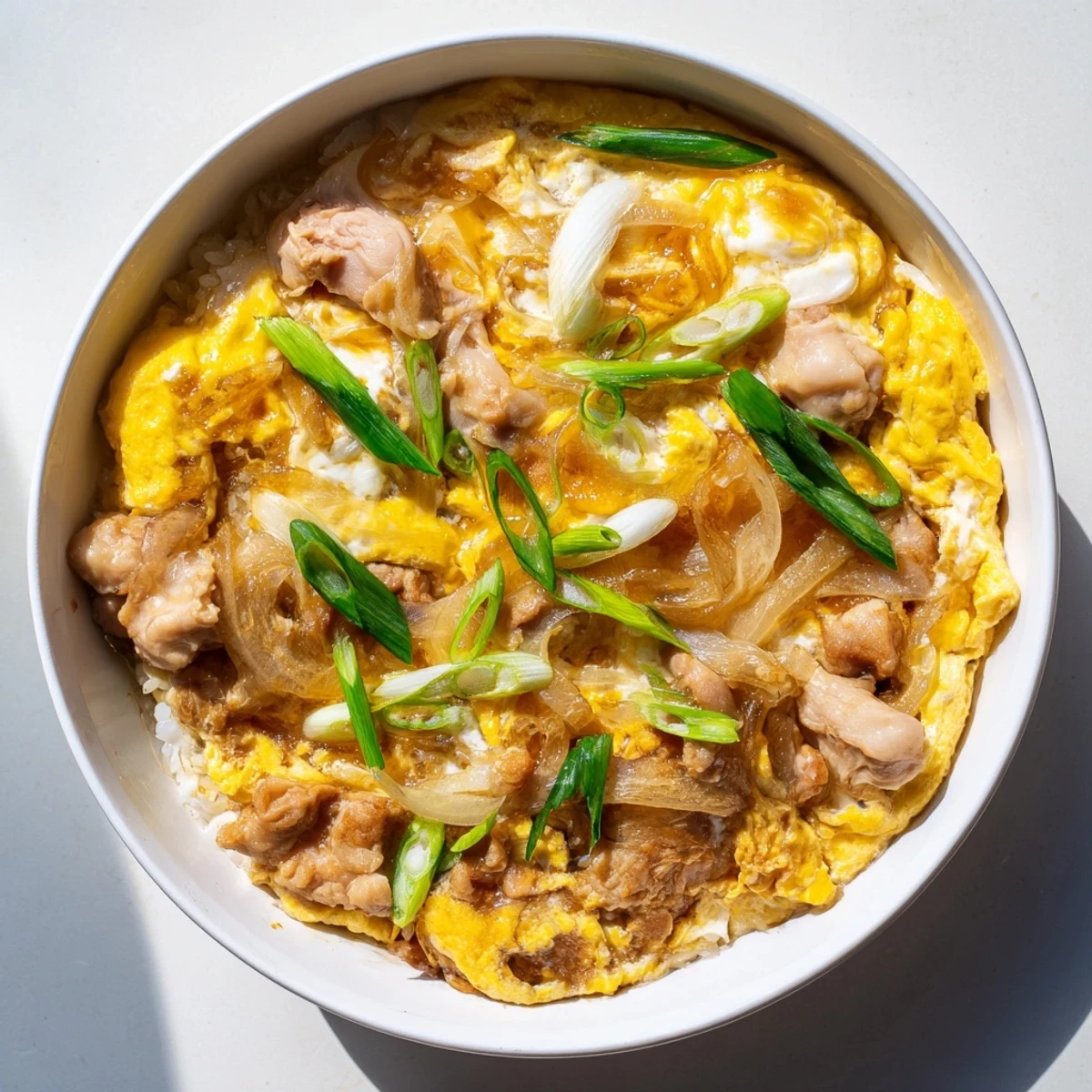
Save This beloved Japanese comfort dish brings together tender chicken thighs and softly set eggs in a delicate sweet and savory broth. The one-pot method allows flavors to meld beautifully while the sauce reduces to a perfect consistency. Serve over steaming short-grain rice for a complete meal that comes together in just half an hour.
I stumbled upon oyakodon during a rainy weeknight when I wanted something warming but refused to order takeout for the third time. The way the eggs cook just enough to set while staying creamy seemed like magic, and now it's become my go-to when I need comfort food that doesn't ask for much effort.
Last winter, my friend Sarah came over feeling completely drained from work. I made this for her, and she actually went quiet for a full minute after the first bite. Now she asks for it every time she visits, claiming it's better than anything she's had in Tokyo.
Ingredients
- 350 g boneless skinless chicken thighs: Thighs stay juicier than breast meat, which matters since this dish relies on tender chicken rather than heavy sauces to carry the flavor
- 1 medium yellow onion: Thinly sliced so they melt into the sauce and become sweet and translucent, creating that perfect base texture
- 2 spring onions: These add a fresh bite against the rich eggs and savory sauce, so don't skip them even if you're tired
- 3 cups cooked Japanese short-grain rice: Short-grain rice clings to the sauce better than long-grain varieties, and using hot rice makes all the difference in the final dish
- 1 cup dashi stock: This forms the soul of the sauce, though chicken stock works in a pinch if that's what you have in your pantry
- 3 tbsp soy sauce: Provides the salty foundation that balances the sweetness from the sugar and mirin
- 2 tbsp mirin: Adds sweetness and gloss that you can't quite replicate with sugar alone
- 2 tbsp sake: The alcohol cooks off but leaves behind depth, making the sauce taste like it simmered for hours
- 1 tbsp sugar: Balances the saltiness and helps achieve that characteristic Japanese flavor profile
- 4 large eggs: Lightly beaten so they pour evenly over the chicken, creating those silky ribbons everyone loves
Instructions
- Prep your ingredients before turning on the stove:
- Having everything sliced, measured, and ready means you won't panic when the sauce starts bubbling, and your rice should be hot and waiting before you begin cooking anything else.
- Build your sauce base:
- Combine the dashi, soy sauce, mirin, sake, and sugar in a large deep skillet or donabe, stirring until the sugar dissolves completely, then bring it to a gentle simmer over medium heat.
- Soften the onions first:
- Add the sliced onions to the simmering sauce and let them cook for about 3 minutes until they start looking translucent and smell sweet, which creates the foundation for everything else.
- Cook the chicken through:
- Layer your chicken pieces directly over the softened onions, cover the pan, and let it simmer for 6 to 8 minutes until the chicken is completely cooked through and no longer pink in the center.
- Add the eggs carefully:
- Pour the beaten eggs evenly over the entire surface, then cover again and cook for just 1 to 2 minutes until they're softly set but still slightly runny, since they'll continue cooking off the heat.
- Assemble and serve immediately:
- Scoop hot rice into bowls, gently slide portions of the chicken, egg, and sauce over the top, and finish with those fresh spring onions before the eggs overcook.
 Save
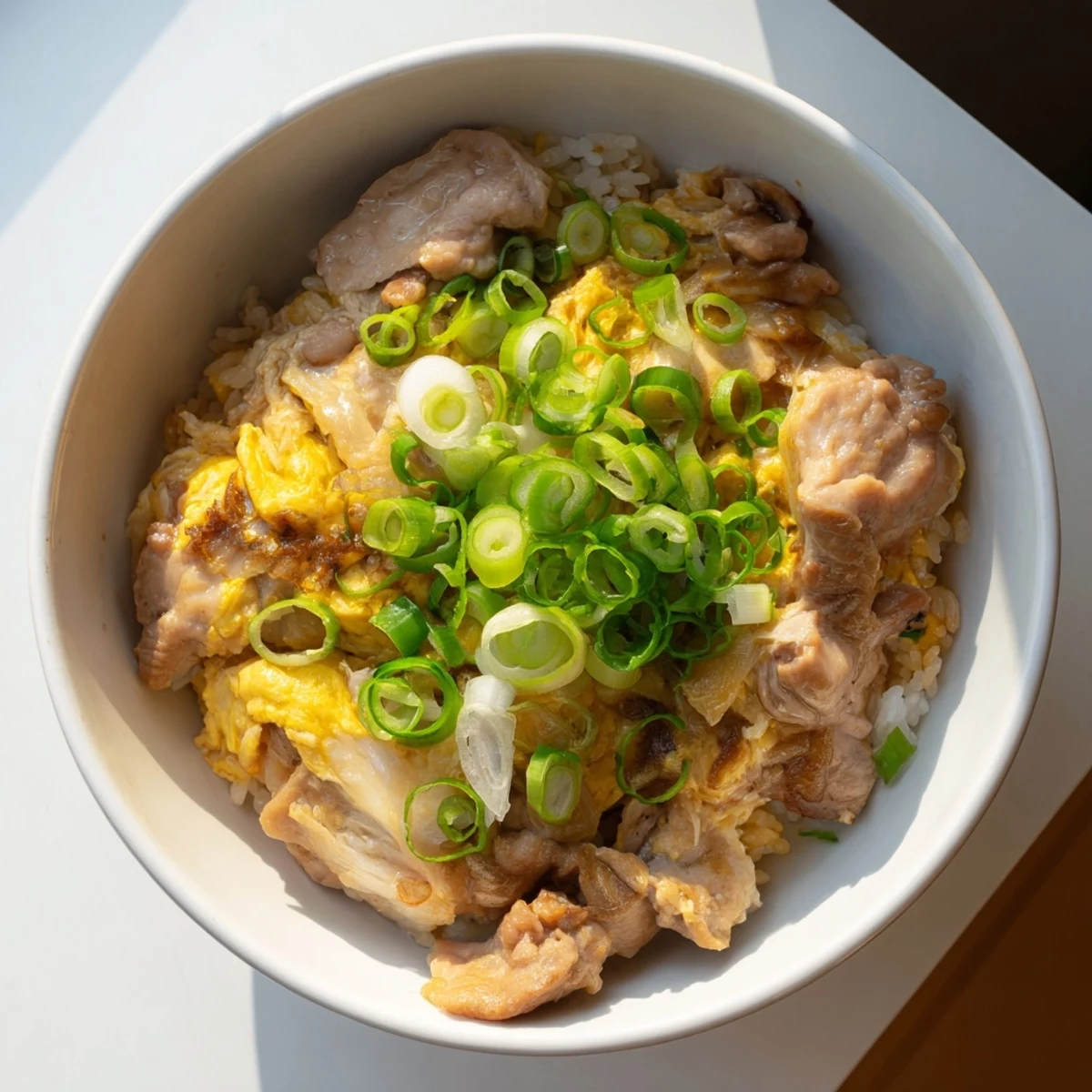
Save My grandmother once told me that oyakodon means parent and child bowl, referring to the chicken and egg together. I thought that was slightly dark until I tasted it, and now the name makes perfect sense because they really do belong together in the same bowl.
Making It Your Own
Sometimes I add sliced shiitake mushrooms with the onions if I have them on hand, and they soak up the sauce beautifully. A tiny pinch of red pepper flakes doesn't hurt either if you want some gentle warmth without making it spicy.
Rice Matters
I've learned the hard way that day-old rice doesn't work here because you need that freshly cooked clinginess. If your rice is cold, sprinkle a tablespoon of water over it and microwave it covered for 30 seconds before serving.
Timing Everything Right
The moment the eggs hit the pan is when you need to move quickly and confidently. Have your bowls ready, rice portioned out, and spring onions already sliced because there's literally no time to prep once those eggs start setting.
- Set your table before you start cooking since this dish waits for no one
- Keep the lid handy so you can cover the pan immediately after adding eggs
- Eat it right away because oyakodon loses its magic as it cools down
 Save
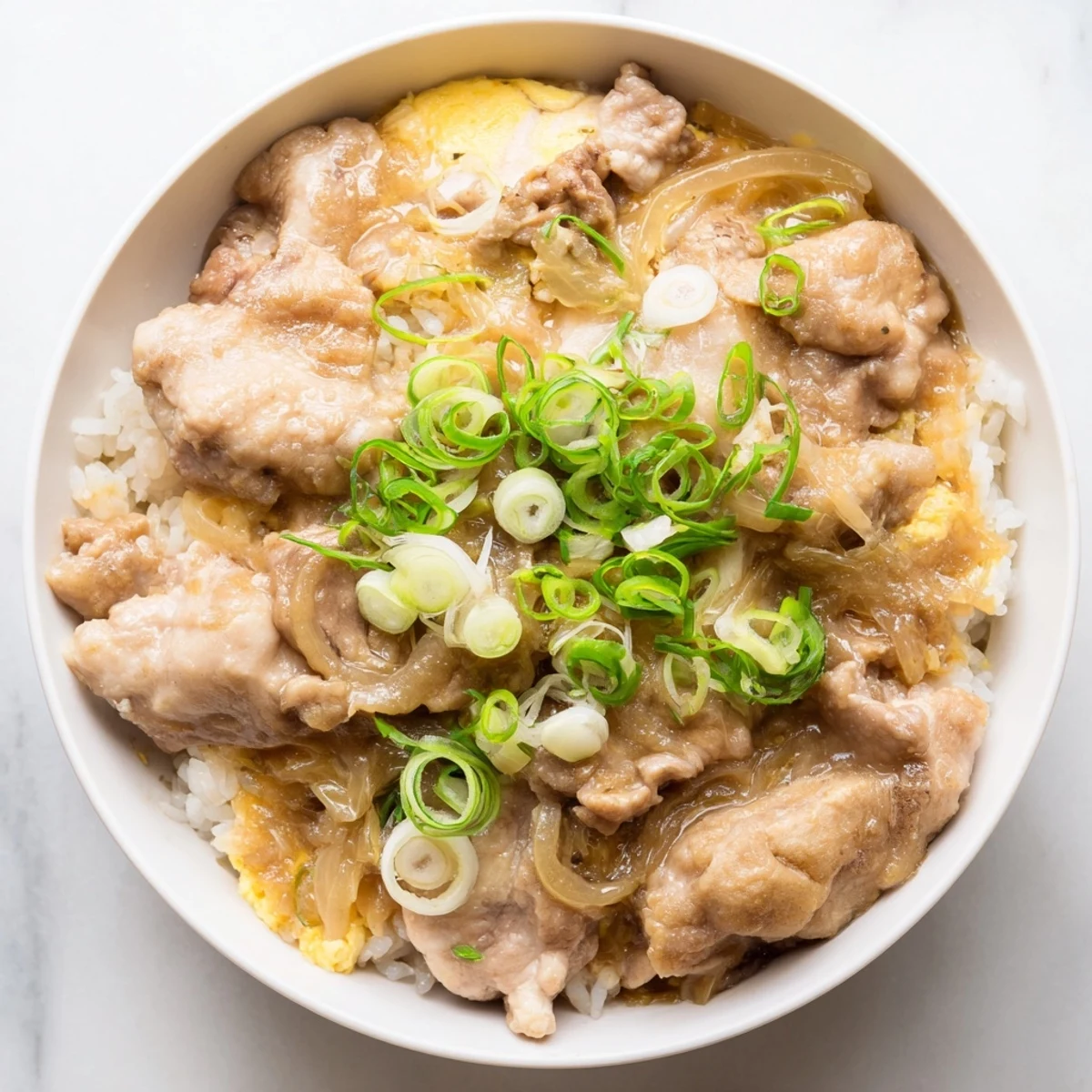
Save There's something deeply satisfying about a dish that's this simple yet this comforting. Hope this becomes your rainy night staple too.
Recipe FAQs
- → What does Oyakodon mean?
-
Oyakodon translates to 'parent and child bowl,' referring to the chicken and egg combination. It's a classic Japanese donburi (rice bowl) dish that's cherished for its comforting flavors and simple preparation.
- → Can I make this gluten-free?
-
Yes, simply substitute regular soy sauce with tamari and ensure your mirin and sake are gluten-free certified. The cooking method and flavors remain virtually identical.
- → Why should I use chicken thighs instead of breast?
-
Chicken thighs stay juicy and tender during simmering, while breasts can become dry. The higher fat content in thighs also adds richness to the sauce as it cooks.
- → How runny should the eggs be?
-
The eggs should be softly set but still slightly runny when you remove the pan from heat. They'll continue cooking slightly from residual heat, creating that perfect custard-like texture traditional to Oyakodon.
- → Can I prepare this in advance?
-
Oyakodon is best enjoyed immediately while the eggs are perfectly set and the rice is hot. The sauce can be prepared ahead and refrigerated, then reheated before adding the chicken and eggs.
- → What can I serve with Oyakodon?
-
This dish is typically served as a complete meal on its own. You might add miso soup, a simple side salad, or Japanese pickles (tsukemono) for a more elaborate spread. Green tea or light Japanese beer makes an ideal beverage pairing.