
 Save
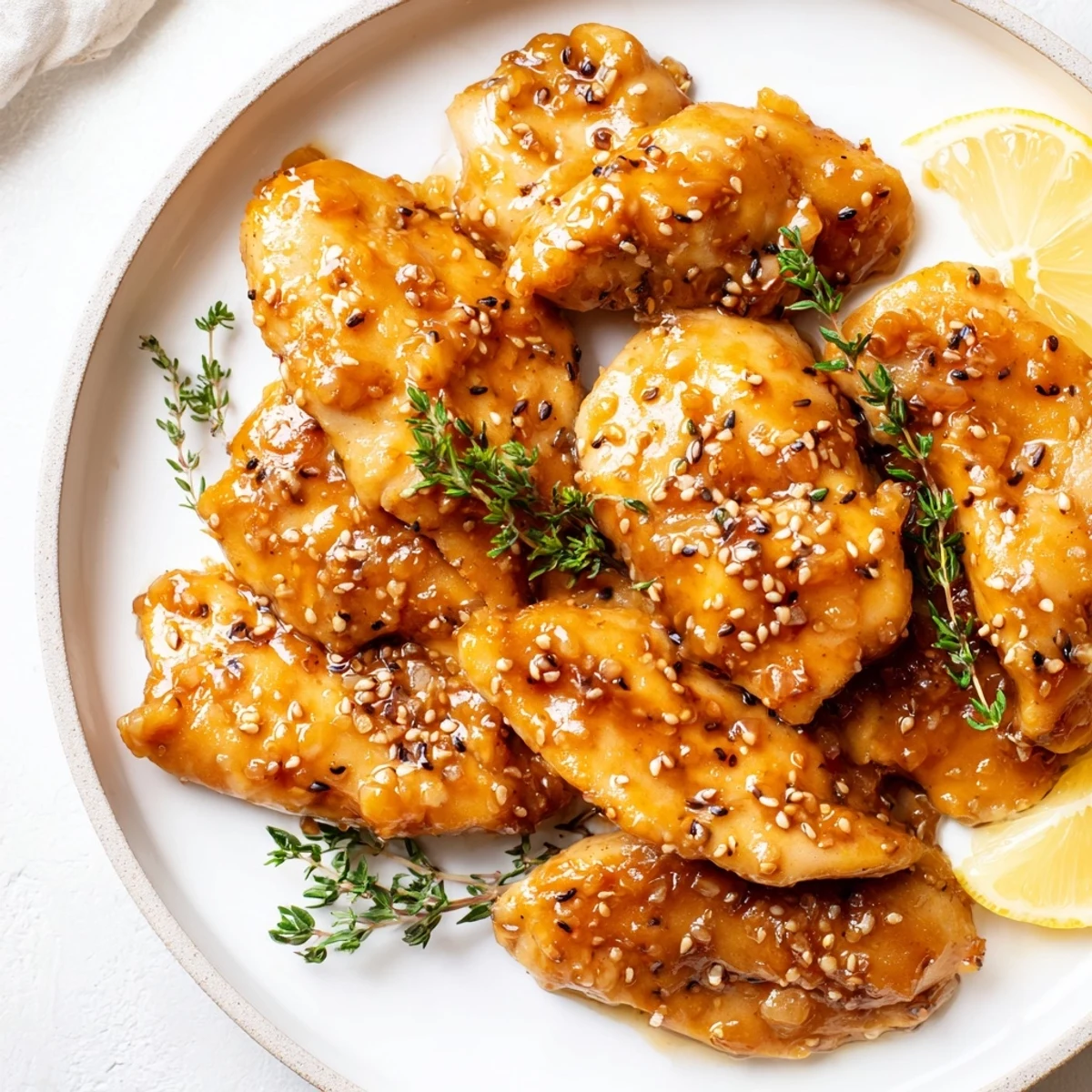
Save Succulent chicken breasts emerge from the oven with a beautifully caramelized coating of honey mustard glaze. The combination of Dijon and whole grain mustard creates depth, while honey adds natural sweetness that balances the tangy vinegar and aromatic garlic. Fresh thyme rounds out the flavors with subtle earthiness.
The preparation couldn't be simpler—whisk together the sauce ingredients, coat the chicken, and let the oven do the work. In just 35 minutes, you'll have perfectly cooked meat with an internal temperature of 75°C. For extra color and flavor, finish under the broiler for a few minutes to achieve that restaurant-quality caramelized exterior.
This versatile dish pairs beautifully with roasted vegetables, steamed rice, or a crisp green salad. The sauce thickens nicely during baking, creating a natural glaze that clings to every bite. Leftovers reheat wonderfully, making it ideal for meal prep.
The exhaust fan was broken the evening I tossed chicken breasts into a honey mustard sauce and shoved the whole thing into the oven, hoping for the best while the kitchen filled with this impossible sweetness that made my neighbor knock on the door asking what was cooking.
I served it to my sister on a Tuesday when she dropped by unannounced, and she sat at the counter eating straight from the dish with a fork before I even had plates ready.
Ingredients
- 4 boneless skinless chicken breasts (about 150 g each): Pound them to even thickness so they finish cooking at the same time and you avoid the dreaded dry ends.
- 3 tbsp Dijon mustard: The smooth backbone of the sauce, providing sharpness and a silky texture that coats beautifully.
- 2 tbsp whole grain mustard: Adds speckled texture and a mellow earthy bite that makes people ask what your secret is.
- 4 tbsp honey: Use a good quality honey here because its flavor shines through every bite of the finished dish.
- 2 tbsp olive oil: Helps the sauce emulsify and keeps the chicken surface from drying out in the oven heat.
- 1 tbsp apple cider vinegar: A splash of acidity that lifts the whole sauce and prevents it from feeling heavy.
- 2 cloves garlic minced: Fresh garlic only, pressed or grated fine so it melts into the sauce without leaving harsh chunks.
- 1 tsp fresh thyme leaves (or 1/2 tsp dried thyme): Thyme and mustard are old friends, and the herb brings a woodsy warmth that ties everything together.
- Salt and black pepper to taste: Season the chicken before saucing and taste the mixture to find your balance.
- Chopped fresh parsley: A bright finish that cuts through the richness when sprinkled on at the end.
- Lemon wedges: Squeezing fresh lemon over each serving wakes up the flavors one last time.
Instructions
- Prepare the oven and dish:
- Preheat your oven to 200 degrees Celsius (400 degrees Fahrenheit) and lightly grease a baking dish large enough to hold the chicken in a single layer with room around each piece.
- Whisk the sauce:
- In a bowl, combine both mustards, honey, olive oil, apple cider vinegar, garlic, thyme, salt, and pepper, whisking until the mixture looks unified and glossy.
- Coat the chicken:
- Arrange the chicken breasts in the dish, then pour the sauce over them, turning each piece so every surface gets covered and the sauce pools underneath.
- Bake until done:
- Slide the dish into the oven and bake for 30 to 35 minutes until the chicken hits 75 degrees Celsius (165 degrees Fahrenheit) internally and the sauce has thickened and darkened around the edges.
- Optional broil for caramelization:
- For a sticky golden finish, flip the broiler on for 2 to 3 minutes, watching closely because the honey can go from caramelized to burnt very fast.
- Rest and serve:
- Pull the dish out, let the chicken rest for 5 minutes so the juices redistribute, then garnish with parsley and serve with lemon wedges alongside.
 Save
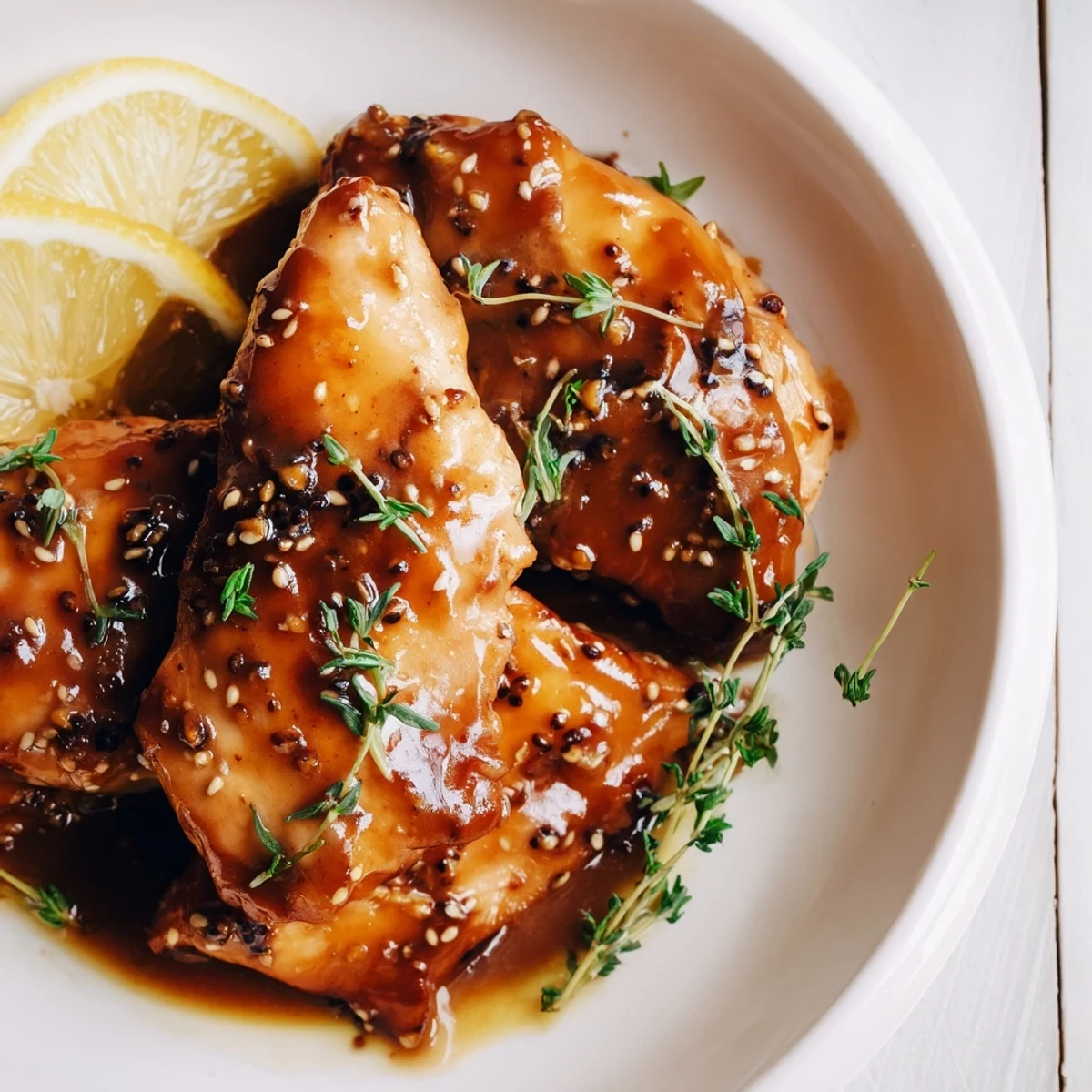
Save One cold Sunday I made a double batch and we ate it with crusty bread, mopping up every smear of sauce from the dish while the rain hit the windows.
Thighs Work Too and Maybe Better
Swap in boneless skinless thighs if you prefer darker meat that stays moister with less attention, just add about five minutes to the bake time and verify the temperature.
What to Serve Alongside
Roasted carrots and potatoes catch the extra sauce in the pan beautifully, or keep it light with a bitter greens salad that contrasts the sweetness.
Leftovers That Disappear Fast
Sliced cold on a sandwich the next day, this chicken might be even better than it was hot from the oven, especially with a smear of the gelled sauce as a spread.
- Shred leftover chicken and toss it into a grain bowl with whatever vegetables are in the fridge.
- The sauce reheats well in a skillet with a splash of water to loosen it back up.
- Store leftovers in an airtight container and use them within three days for the best texture.
 Save
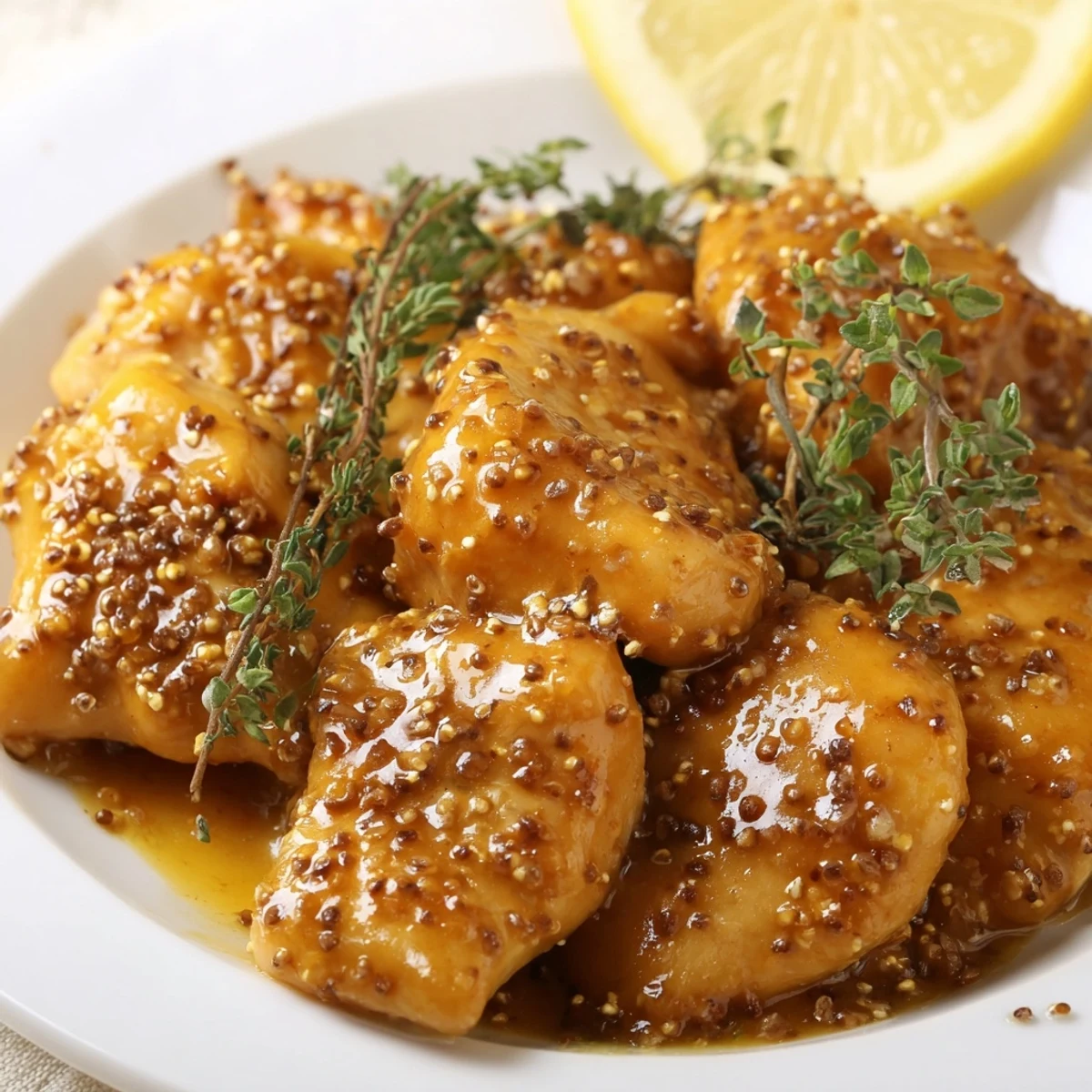
Save This is the kind of recipe that stays with you, simple enough for a weary weeknight and good enough that people will assume you worked much harder than you did.
Recipe FAQs
- → What temperature should the chicken reach?
-
The chicken is safe to eat when it reaches an internal temperature of 75°C (165°F). Use a meat thermometer inserted into the thickest part of the breast to ensure accuracy.
- → Can I use chicken thighs instead of breasts?
-
Absolutely. Chicken thighs are often juicier and more forgiving. They may require an additional 5-10 minutes of baking time depending on their size.
- → How do I store leftovers?
-
Store cooled chicken in an airtight container in the refrigerator for up to 3 days. Reheat gently in the microwave or oven at 160°C until warmed through.
- → Can I make this ahead of time?
-
You can prepare the honey mustard sauce up to 2 days in advance and keep it refrigerated. Coat the chicken just before baking for the best results.
- → What sides pair well with this dish?
-
Roasted vegetables like broccoli or carrots, steamed rice, roasted potatoes, or a fresh green salad complement the sweet and tangy flavors perfectly.
- → Is this dish gluten-free?
-
Yes, provided you use gluten-free mustard brands. Always check labels carefully as some mustards contain wheat-based vinegar or additives.