 Save
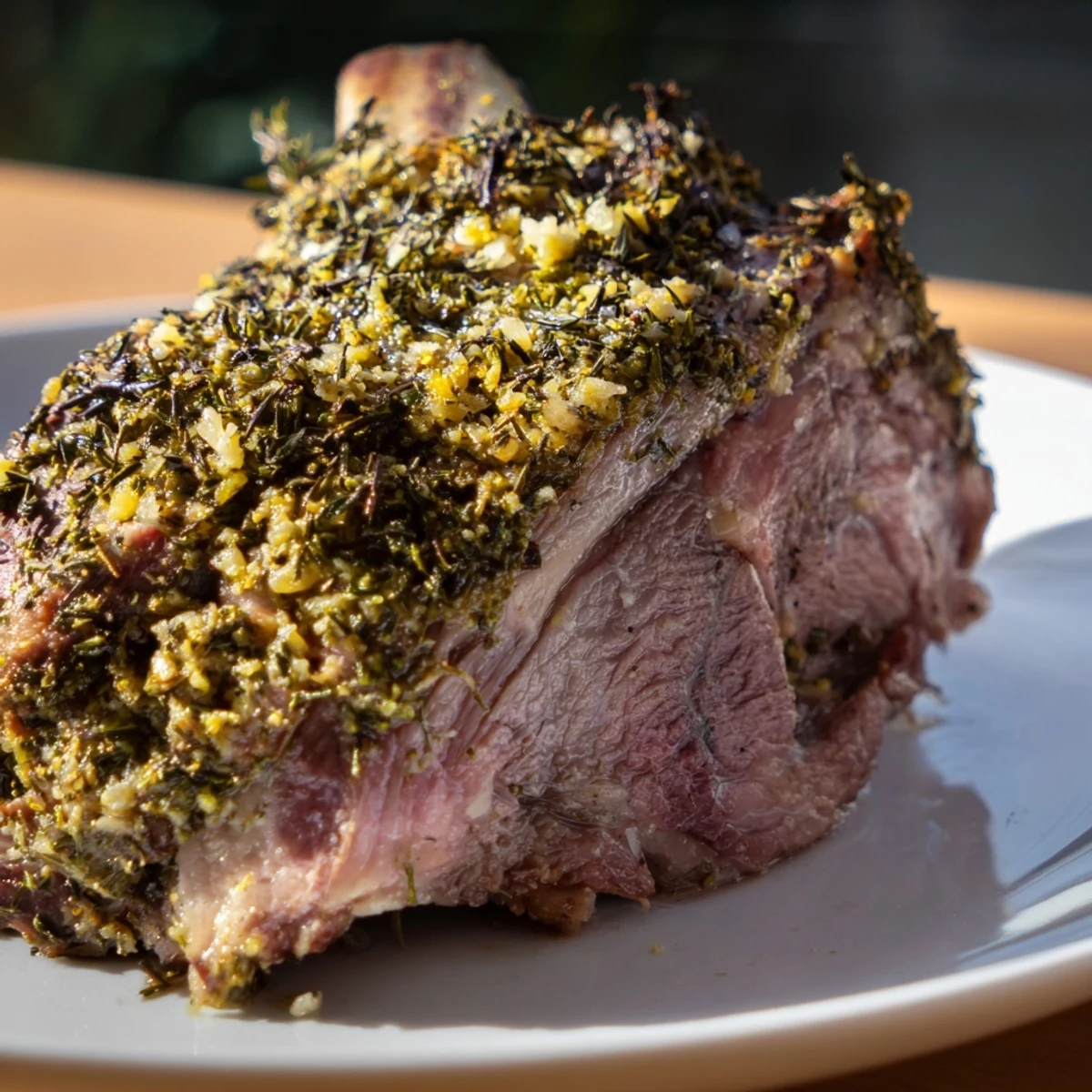
Save This dish features a bone-in lamb shoulder slow-roasted to tender perfection. A fragrant paste of garlic, rosemary, thyme, lemon zest, parsley, and olive oil is rubbed onto the meat, infusing it with bright herbaceous flavors. The shoulder rests atop a bed of onions, carrots, and celery, which add depth during roasting. The cooking process involves low-temperature roasting followed by a hotter finish to develop a crisp, golden crust. Pan juices create a rich sauce to complement the succulent meat. Ideal for a Mediterranean-inspired main course, it pairs wonderfully with roasted vegetables or potatoes.
The smell of lamb roasting with rosemary and garlic still takes me back to my first tiny apartment kitchen, where I nervously attempted this for a dinner party. I was terrified I would ruin such an expensive cut of meat, but that first bite melted every worry away. My friends scraped their plates clean and asked for the recipe before we even left the table. That evening taught me that simple ingredients, treated with respect, create magic.
I made this lamb again last spring for my mothers birthday, and the kitchen filled with the most incredible perfume as it roasted. She sat at the counter watching me prep the herbs, telling me stories about her grandmother is lamb roasts and how she would save the crusty bits for the grandchildren. When I served it, tearing into that first slice together felt like passing down something more precious than just a recipe. The house was warm and full of laughter, exactly as a kitchen should be.
Ingredients
- 1 bone in lamb shoulder about 2 kg 4.5 lb trimmed: Shoulder has the perfect fat to meat ratio for slow roasting, becoming meltingly tender while developing incredible flavor
- 4 cloves garlic minced: Garlic mellows and sweetens during long roasting, infusing the meat without any harsh bite
- 2 tbsp fresh rosemary finely chopped: Rosemary and lamb are a classic pairing for a reason, its piney fragrance cutting through the rich meat beautifully
- 2 tbsp fresh thyme leaves finely chopped: Thyme adds an earthy subtle sweetness that complements the stronger rosemary
- Zest of 1 lemon: Lemon zest lifts and brightens all those rich flavors without adding acidity that might toughen the meat
- 2 tbsp fresh parsley chopped: Fresh parsley brings a grassy brightness that balances the heavy aromatics
- 1 tsp sea salt: Salt penetrates deep during the long cook, seasoning throughout not just on the surface
- 1/2 tsp black pepper: Fresh cracked pepper adds gentle warmth that blooms in the oven
- 3 tbsp olive oil: Oil helps the herb paste cling and creates a beautiful base for that coveted crust
- 1 tbsp Dijon mustard: Mustard acts as a binder for the herbs while adding a subtle tangy depth
- Juice of 1 lemon: The lemon juice in the paste adds brightness and helps break down fibers slightly for tenderness
- 2 large onions thickly sliced: Onions caramelize underneath, creating a natural roasting rack and incredible pan juices
- 2 carrots cut into large chunks: Carrots add sweetness to the pan juices and become the best part of the roasting vegetables
- 2 stalks celery cut into large chunks: Celery provides aromatic depth to the drippings, forming the base of a natural sauce
- 250 ml 1 cup dry white wine or low sodium chicken broth: Liquid creates steam for the initial slow cooking and becomes the foundation for serving
Instructions
- Preheat your oven to 160°C 320°F:
- This lower temperature is crucial for the long slow breakdown of connective tissue
- Mix the herb paste:
- Combine garlic, rosemary, thyme, lemon zest, parsley, salt, pepper, olive oil, mustard, and lemon juice in a small bowl until it forms a thick fragrant paste
- Prep the lamb:
- Pat the lamb shoulder thoroughly dry with paper towels, then rub the herb paste all over the meat, working it into every crevice and crease
- Build the roasting bed:
- Arrange the sliced onions, carrot chunks, and celery pieces in the bottom of your roasting pan, creating an even vegetable layer
- Position the lamb:
- Set the prepared lamb shoulder directly on top of the vegetables, fat side up for maximum browning
- Add moisture:
- Pour the white wine or chicken broth around the base of the lamb, being careful not to wash off the herb paste
- Seal and slow roast:
- Cover the pan tightly with foil or a lid and roast for 2.5 hours, basting occasionally with the pan juices
- Create the crust:
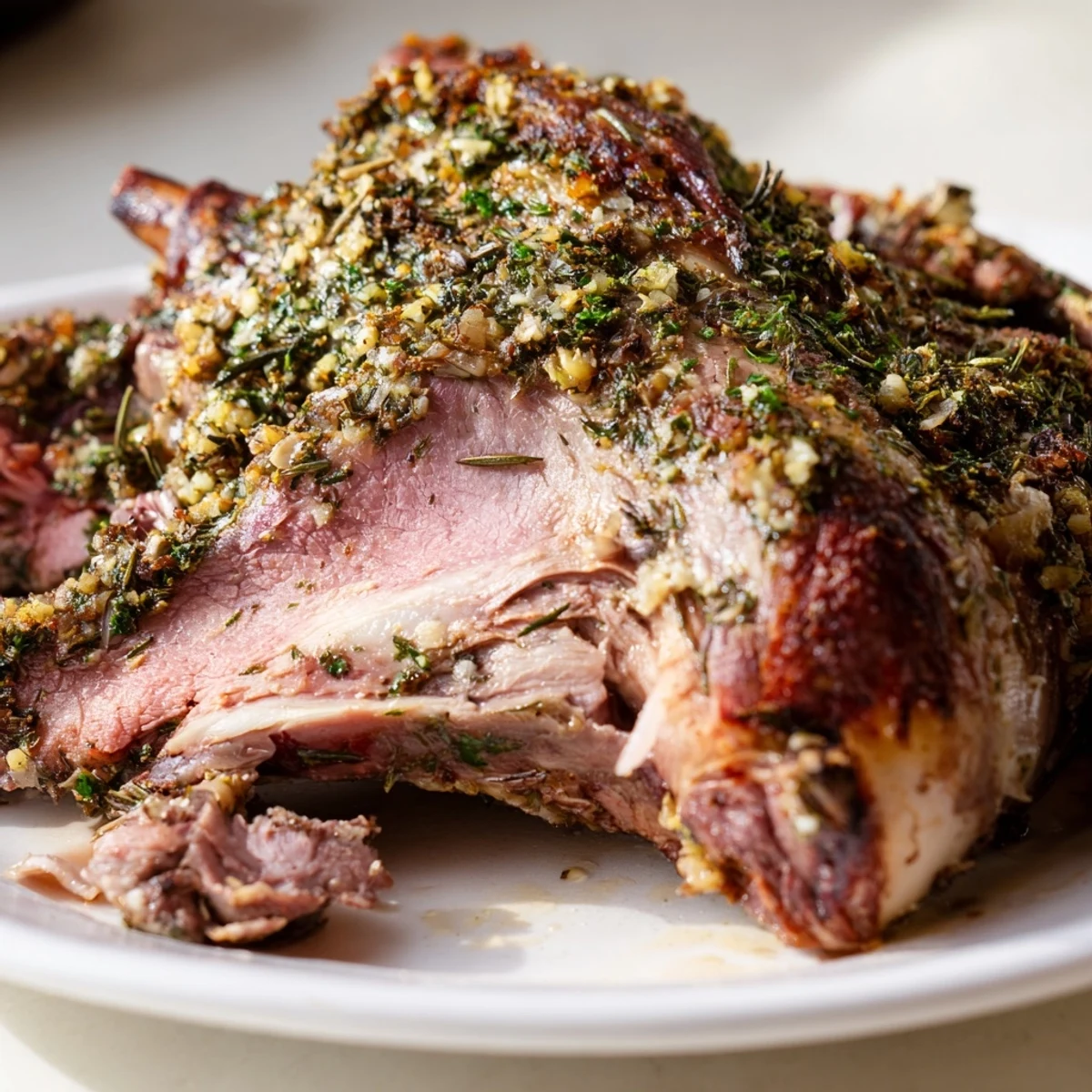
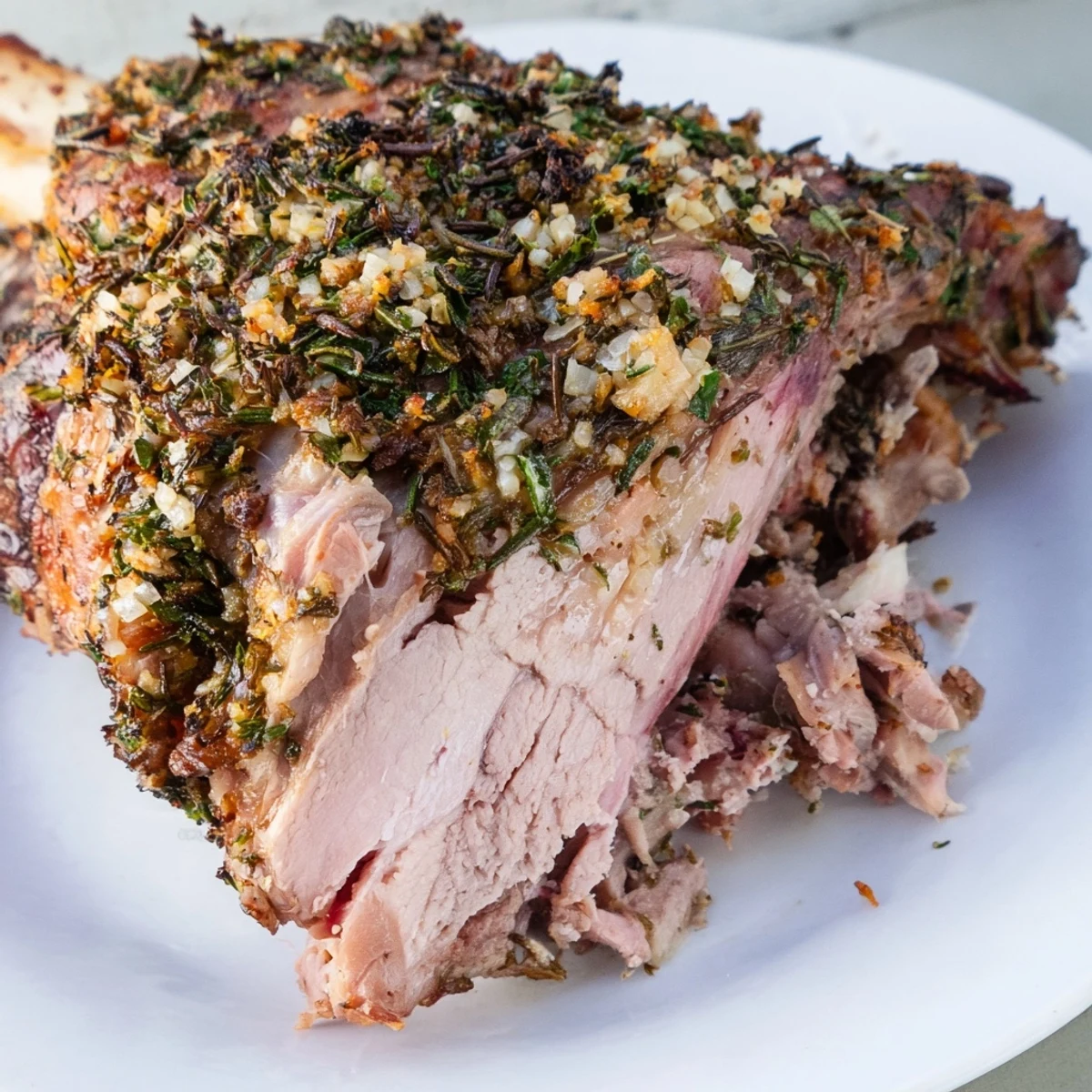
- Remove the foil, increase the oven temperature to 220°C 430°F, and roast uncovered for 30 minutes until deeply golden and crisp
- Rest the meat:
- Transfer the lamb to a platter and let it rest for 15 minutes before slicing, then strain the pan juices to serve alongside
 Save
Save My husband and I stood over the carving board that first time, picking at the crispy edges while the rest of the meat rested. We burned our fingers and did not care one bit, declaring those crusty bits the cooks treat. Something about tearing into that lamb together felt more intimate than any restaurant meal could ever be. That is the thing about a roast like this, it turns dinner into an occasion.
Choosing the Perfect Cut
I have learned that shoulder is actually superior to more expensive cuts for long roasting because its marbling keeps everything moist and flavorful. The bone adds incredible depth to both the meat and the pan juices, so do not ask your butcher to remove it. A little silverskin or fat on the exterior is your friend here, rendering down into succulence during those long hours in the oven.
Mastering the Herb Crust
Chopping your herbs finely helps them adhere better and distribute flavor more evenly throughout the crust. The mustard might seem unusual, but it creates a sticky base that locks the herbs onto the meat while adding a subtle tangy depth you cannot quite identify but definitely miss if it is gone. I have tried skipping it, and the crust just does not cling the same way.
Serving Suggestions
Roasted potatoes with garlic and rosemary are the classic pairing for good reason, soaking up those incredible pan juices. A simple green salad with bright vinaigrette cuts through the richness perfectly, or serve with roasted seasonal vegetables for a complete meal. This lamb also makes incredible leftovers, if you have any.
- Warm your serving plates in the oven while the lamb rests, it makes such a difference in keeping everything at the perfect temperature
- Save those roasted vegetables from the bottom of the pan, they are absolutely drenched in flavor
- The strained pan juices need nothing more than a quick seasoning adjustment before serving
 Save
Save There is something deeply satisfying about serving a dish that looks impressive but required mostly patience rather than skill. Your kitchen will smell like a Mediterranean restaurant, and your people will remember this meal long after the plates are cleared.
Recipe FAQs
- → How long should I roast the lamb shoulder?
-
Roast the lamb shoulder covered at 160°C (320°F) for 2.5 hours, then uncovered at 220°C (430°F) for 30 minutes to develop a crisp crust.
- → Can I use dried herbs instead of fresh?
-
Yes, dried herbs can be used at about one-third the quantity of fresh herbs to maintain the flavor balance.
- → What can I use instead of white wine?
-
Low-sodium chicken broth is a great alternative to white wine for deglazing and adding moisture during roasting.
- → How do I achieve a crispy crust on the lamb?
-
After slow roasting, increase oven heat or briefly broil the lamb for 3-5 minutes to crisp the crust without drying the meat.
- → What sides pair well with this lamb shoulder?
-
Roasted potatoes, seasonal vegetables, and robust red wines like Syrah or Cabernet Sauvignon complement this dish nicely.