
 Save
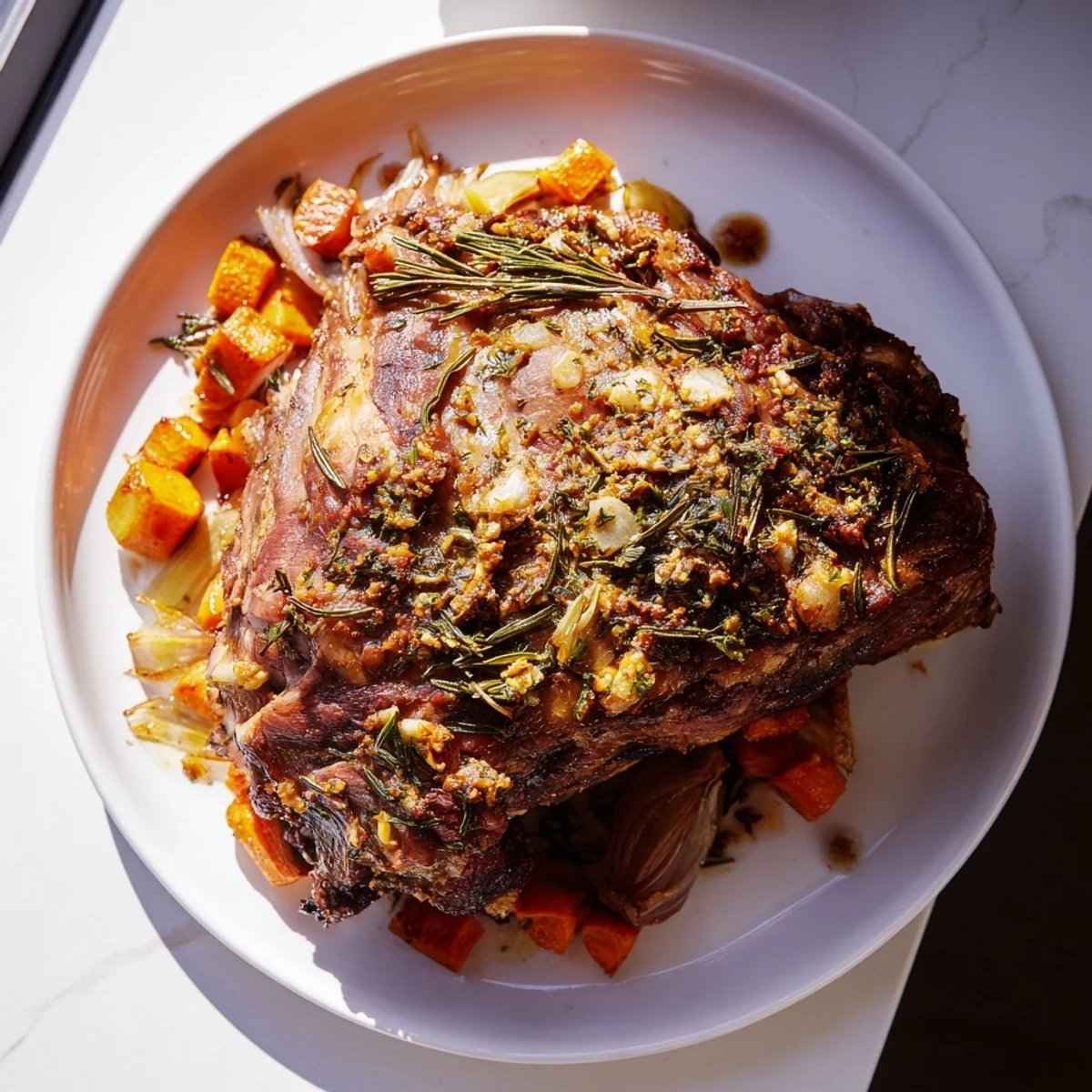
Save This dish features a bone-in lamb shoulder marinated with garlic, rosemary, thyme, oregano, lemon zest, and olive oil. It's slow-roasted atop a bed of carrots, onions, and celery, with white wine and broth added for moisture and flavor. The slow cooking process ensures tender, juicy meat with fragrant, aromatic herbs. After roasting, the meat is rested before carving, allowing flavors to settle. The pan juices, skimming off excess fat, make a rich sauce to complement the lamb and vegetables, creating a satisfying Mediterranean-inspired main dish.
The first time I made lamb shoulder, I was intimidated by the size of it. This massive cut sat on my counter like a challenge, but somewhere between the garlic and rosemary hitting the pan, I realized this is actually one of the most forgiving pieces of meat you could ever cook. Low and slow does most of the work for you.
I served this at a dinner party last winter, and my friend who swore she hated lamb went back for thirds. The meat was so tender she didnt even need a knife. Thats the moment this recipe went from experimental dinner to absolute staple.
Ingredients
- 1 bone-in lamb shoulder (about 2.5 kg / 5.5 lbs): The bone adds incredible depth of flavor and helps keep the meat moist during the long cooking time. Ask your butcher to trim some of the excess fat if you prefer.
- 4 cloves garlic, minced: Fresh garlic is non-negotiable here. It mellows beautifully during roasting and infuses the entire dish.
- 2 tbsp fresh rosemary, finely chopped: Rosemary and lamb are best friends for a reason. Woody and piney, it cuts through the richness perfectly.
- 2 tbsp fresh thyme leaves: Fresh thyme brings an earthy, floral note that balances the stronger rosemary.
- 1 tbsp fresh oregano, chopped: Dried oregano has its place, but fresh brings this bright, almost minty sweetness that works beautifully here.
- 1 lemon, zested and juiced: The acid in the lemon juice helps break down the meat fibers while the zest adds bright aromatic oils.
- 3 tbsp olive oil: Use a good quality extra virgin olive oil. You can taste the difference in the final dish.
- 2 tsp sea salt and 1 tsp freshly ground black pepper: Lamb can handle a generous hand with seasoning. Do not be shy here.
- 3 large carrots, 2 large onions, and 3 celery stalks: These vegetables become the base of your sauce. They caramelize and create this incredible depth of flavor.
- 250 ml dry white wine and 250 ml chicken or vegetable broth: The liquid creates steam and eventually becomes the most delicious pan sauce you have ever tasted.
Instructions
- Prepare the oven and marinade:
- Preheat your oven to 160°C (325°F) and mix the garlic, rosemary, thyme, oregano, lemon zest, lemon juice, olive oil, salt, and pepper in a small bowl until it forms a fragrant paste.
- Season the lamb generously:
- Pat the lamb shoulder completely dry with paper towels, then rub the herb mixture all over the meat, pressing it into every crevice and getting under the skin where you can.
- Build the roasting bed:
- Scatter the carrots, onions, and celery chunks across the bottom of a large roasting pan, creating a natural rack for the lamb to sit on.
- Position and prepare for roasting:
- Set the lamb shoulder on top of the vegetables and pour the white wine and broth into the pan around the meat, not directly over it.
- Start the slow roast:
- Cover the pan tightly with aluminum foil or a lid and roast for 2.5 hours, checking occasionally that there is still liquid in the pan.
- Create the golden finish:
- Remove the foil and increase the oven temperature to 200°C (400°F), then roast uncovered for 30 minutes until the lamb is deeply browned and the meat is fork-tender.
- Rest before serving:
- Transfer the lamb to a platter, cover loosely with foil, and let it rest for at least 15 minutes so the juices redistribute throughout the meat.
- Make the pan sauce:
- Skim the excess fat from the pan juices and serve the lamb alongside the roasted vegetables with a drizzle of the pan sauce.
 Save
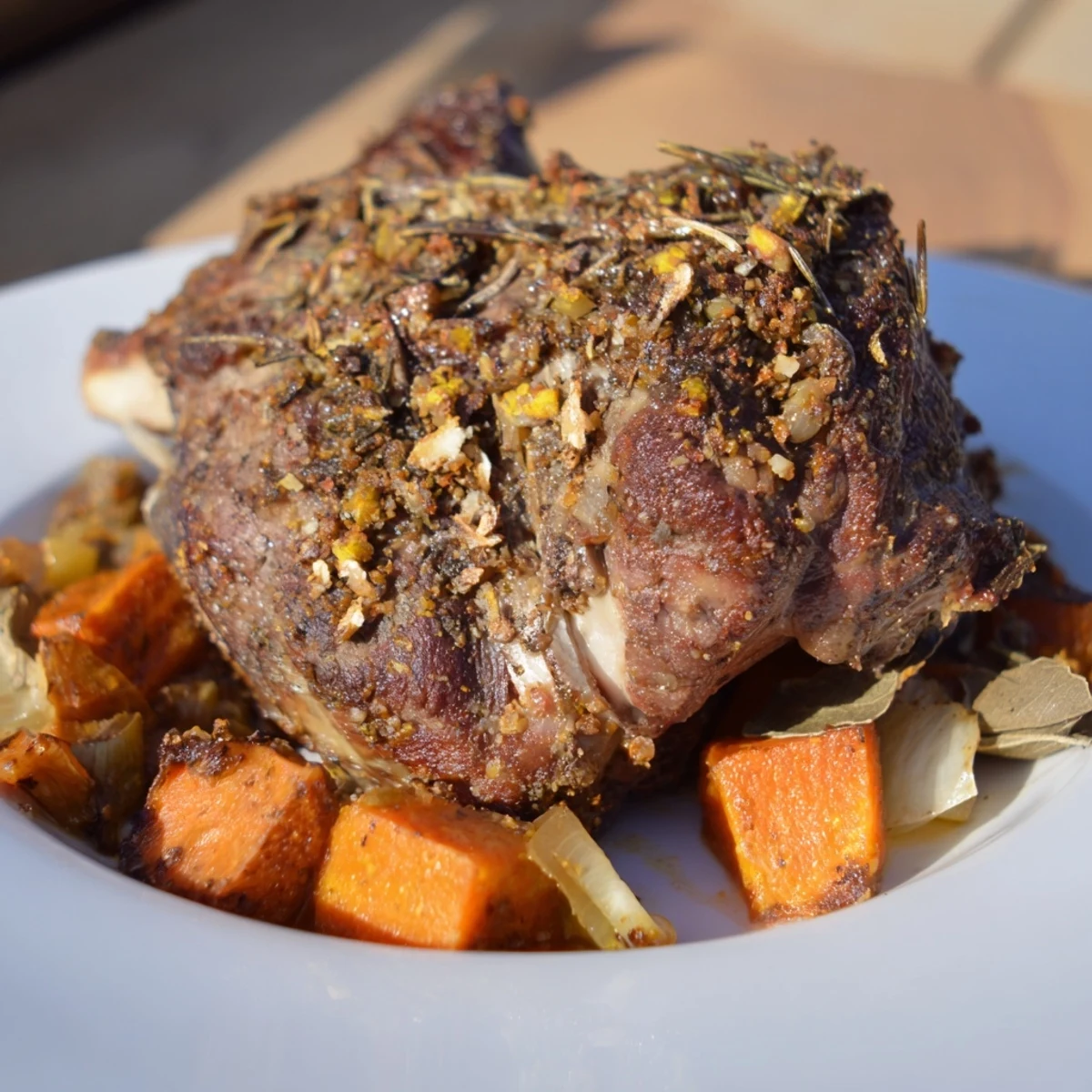
Save My mother-in-law still talks about the Sunday I made this. She sat at the table watching me carve, and when the meat literally fell apart as I touched it, she actually gasped. That is the kind of reaction food should inspire.
Choosing Your Lamb
I have learned that bone-in lamb shoulder is worth every extra minute of carving. The bone releases collagen and gelatin during cooking that transforms the meat from good to extraordinary. If you can only find boneless, the recipe still works beautifully, just check for doneness about 30 minutes earlier since boneless cuts cook faster.
Make-Ahead Magic
The marinating step can be done the night before, wrapped tightly and refrigerated. The flavor develops overnight, and coming home to a piece of meat that is already prepped and ready for the oven makes the whole cooking process feel like a treat instead of a chore. Just let it sit at room temperature for about 30 minutes before roasting.
Serving Suggestions
This lamb deserves sides that can hold their own alongside such a rich, flavorful main. Roasted potatoes with rosemary are classic for good reason. A bright, acidic salad with arugula and shaved Parmesan cuts through the richness. Simple roasted green beans with garlic complete the plate perfectly.
- Crusty bread is essential for soaking up that incredible pan sauce
- A bold red wine like Syrah or Cabernet Sauvignon makes this feel like a special occasion
- Garnish with fresh parsley or mint right before serving for a pop of color
 Save
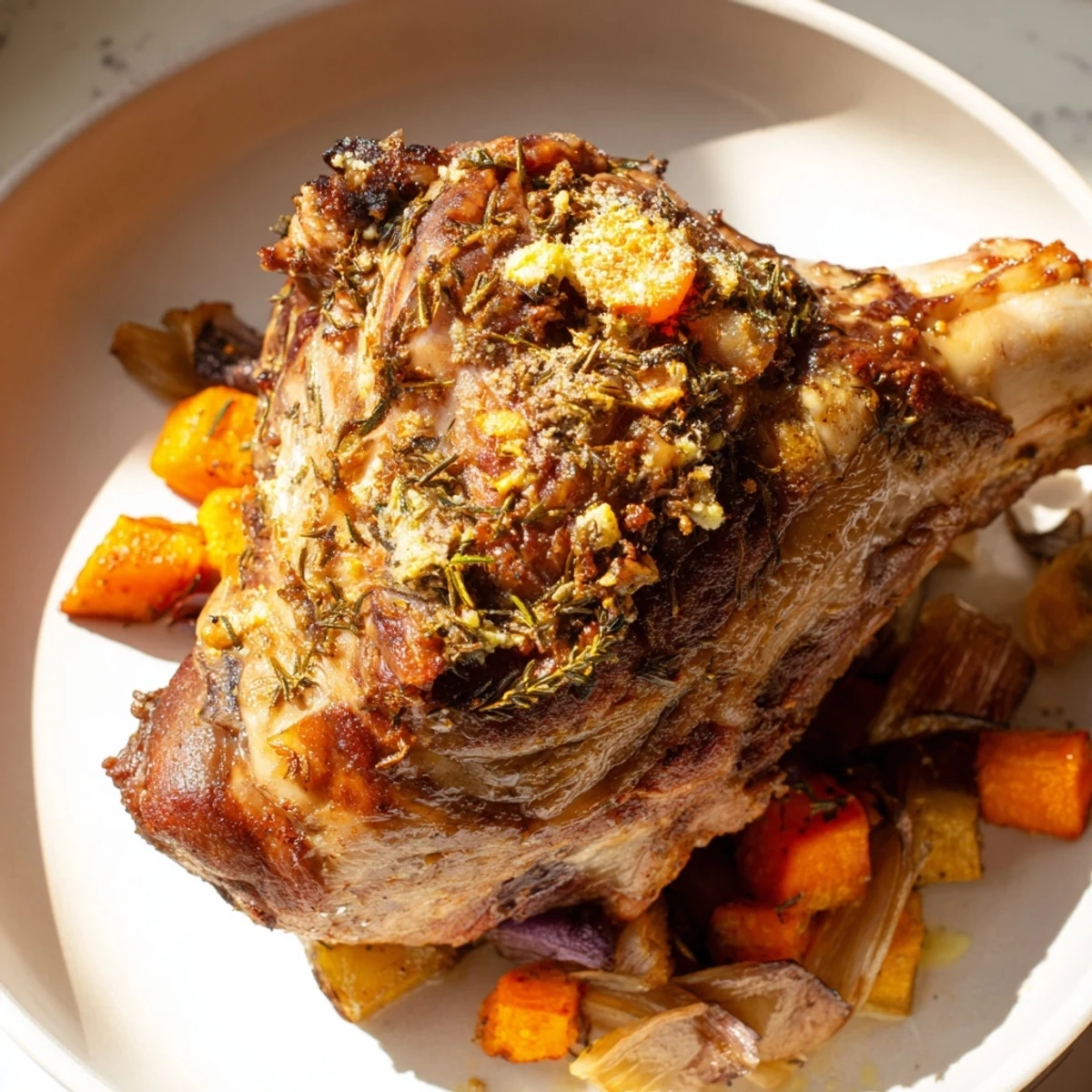
Save There is something deeply satisfying about serving a dish that looks this impressive but requires so little active work. The oven does the heavy lifting, and you get all the credit.
Recipe FAQs
- → What is the best temperature to roast lamb shoulder?
-
Start roasting at 160°C (325°F) covered to gently cook and tenderize the meat, then finish uncovered at 200°C (400°F) for a golden crust.
- → How do the herbs affect the flavor?
-
Fresh rosemary, thyme, oregano, and garlic infuse the meat with aromatic, earthy notes that complement the rich lamb flavor.
- → Can I prepare the lamb the day before?
-
Yes, marinating the lamb overnight deepens the herb flavors and enhances tenderness during roasting.
- → What vegetables work best for roasting with lamb?
-
Carrots, onions, and celery create a flavorful base that adds sweetness and moisture to the roasting pan.
- → How should I serve the pan juices?
-
Skim off excess fat and use the flavorful juices as a sauce to drizzle over the lamb and vegetables for added richness.