 Save
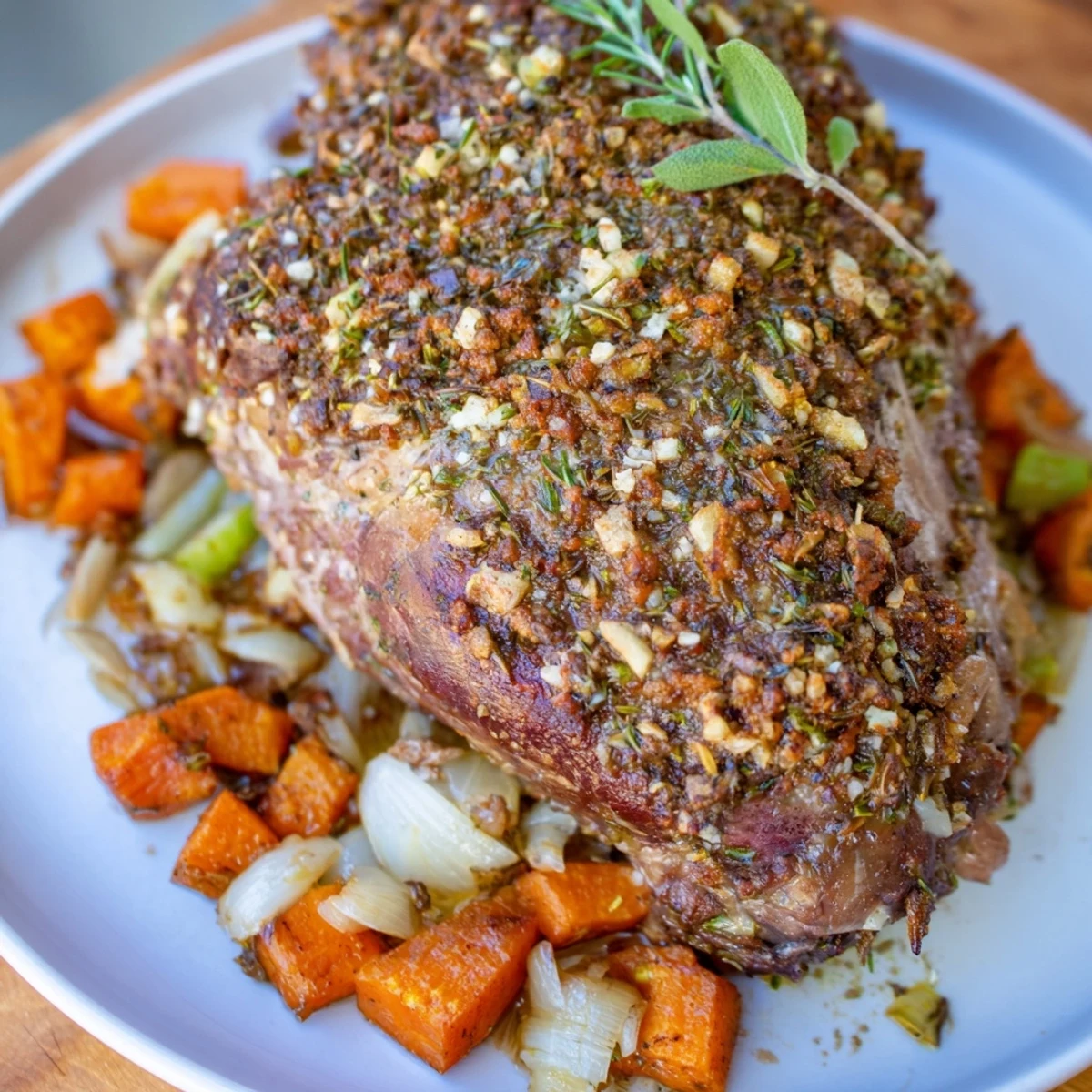
Save This dish features a bone-in lamb shoulder rubbed with olive oil, sea salt, pepper, and a vibrant blend of fresh herbs including rosemary, thyme, parsley, and oregano. Roasted over a bed of onions, carrots, and celery, the lamb cooks slowly with white wine and broth to lock in moisture and deepen flavor. A final high-heat roast crisps the exterior, resulting in tender, aromatic meat. Resting the lamb before carving ensures juicy slices. Perfect for a comforting Mediterranean-inspired enjoyable meal.
The kitchen filled with the most incredible aroma as this lamb shoulder roasted away on a rainy Sunday afternoon. My friends had gathered around the island, wine glasses in hand, waiting impatiently as the scent of rosemary and garlic drifted through every room. When I finally pulled that roasted lamb from the oven, golden and fragrant, the collective sigh around the table made all those hours completely worth it.
I learned this technique during a trip through Tuscany where every family had their own version of herb crusted lamb. The nonna I stayed with insisted that the vegetables underneath were just as important as the meat itself, soaking up all those rendered juices. Now whenever I make this for my own family, I always make extra vegetables because everyone fights over them.
Ingredients
- Lamb shoulder: This cut needs time to break down properly, and the bone adds incredible depth to the pan juices
- Olive oil: Use a good quality extra virgin here since it helps the herbs adhere and adds another layer of flavor
- Fresh rosemary: Woody and piney, rosemary pairs perfectly with lamb and holds up well to long roasting times
- Fresh thyme: Earthy and subtle, theme rounds out the herb blend without overpowering the other flavors
- Fresh parsley: Bright and fresh, parsley adds a nice counterpoint to the richer herbs
- Fresh oregano: Slightly peppery and aromatic, oregano gives that classic Mediterranean profile
- Lemon zest: The zest cuts through the richness of the lamb and brightens the whole dish
- Red pepper flakes: Just a hint of warmth that makes everything taste more vibrant
- White wine: Deglazes the pan and adds acidity to balance the rich meat
- Broth: Creates steam and keeps everything moist while adding depth to the final juices
Instructions
- Get your oven ready:
- Preheat to 160°C (325°F) with the rack positioned in the lower third so the lamb has plenty of room.
- Prep the lamb:
- Pat the shoulder completely dry with paper towels, then rub it all over with olive oil, salt, and pepper, really working it into the meat.
- Make the herb paste:
- Mix the minced garlic with all the fresh herbs, lemon zest, and red pepper flakes until it forms a fragrant paste.
- Coat the lamb:
- Press the herb mixture firmly over every surface of the lamb, creating an even crust that will roast into something incredible.
- Build the roasting base:
- Scatter the sliced onions, carrot chunks, and celery pieces across the bottom of your roasting pan.
- Position the lamb:
- Set the lamb shoulder directly on top of the vegetable bed so it can roast while the vegetables catch all the flavorful drippings.
- Add the liquids:
- Pour the white wine and broth around the sides of the pan, avoiding the top of the lamb so you do not wash off those herbs.
- The long roast:
- Cover the pan tightly with foil or a lid and roast for 2 hours, until the meat is becoming tender.
- The final crisping:
- Remove the cover, crank the heat to 200°C (400°F), and roast another 30 minutes until the top is beautifully browned and the edges are crisp.
- Rest the meat:
- Tent the lamb loosely with foil and let it rest for 15 minutes so the juices redistribute throughout the meat.
 Save
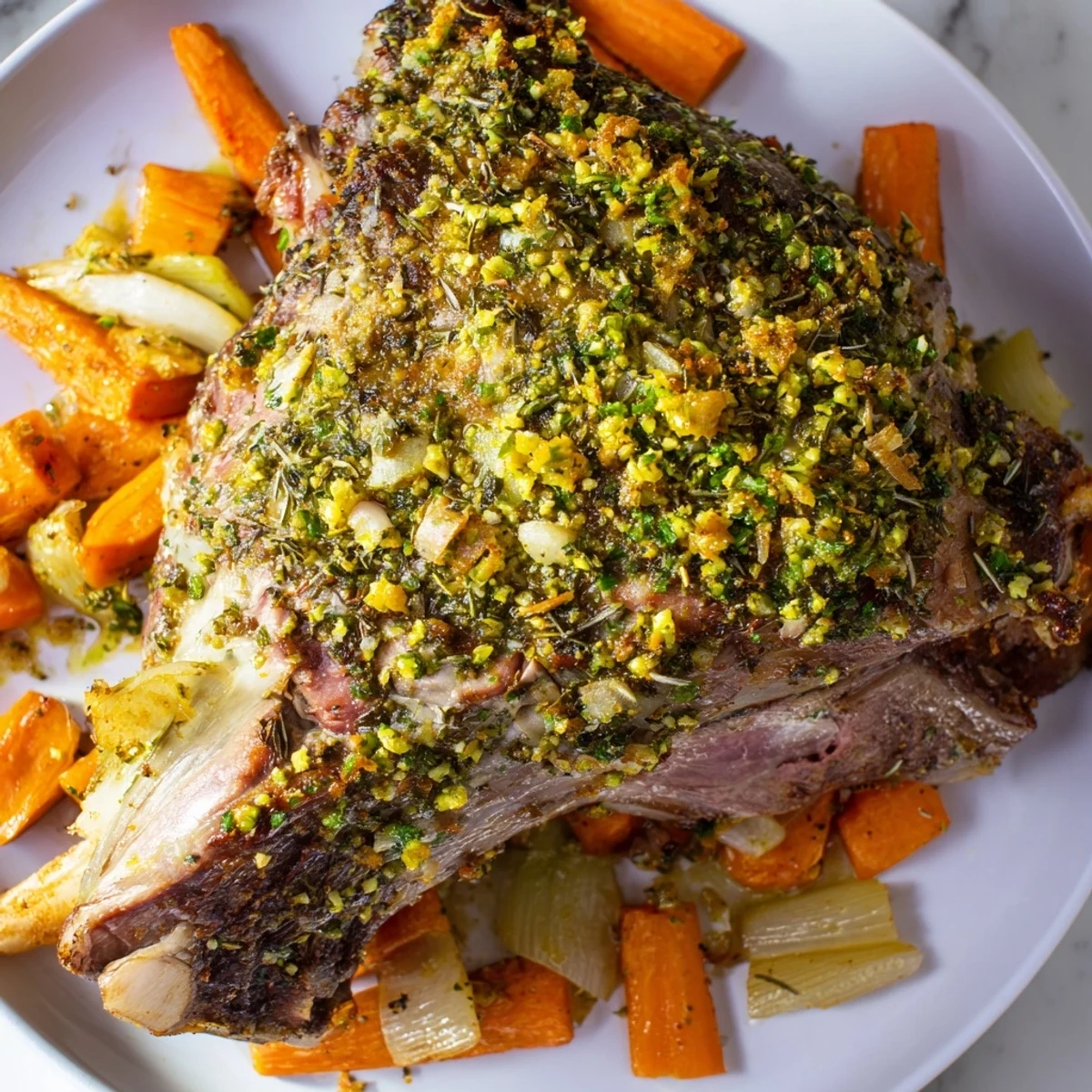
Save That first slice releasing all the aromatic steam, revealing perfectly pink, tender meat surrounded by those savory vegetables, still stands out as one of my favorite kitchen moments. My brother usually goes back for thirds before anyone else has finished their first serving.
Making Ahead
You can rub the lamb with the herb paste up to a day ahead and keep it refrigerated. The herbs will have even more time to infuse the meat, and you will feel like a genius having the prep work done before guests arrive.
Choosing the Right Pan
A heavy roasting pan with high sides is essential here because you need those liquids to create steam without evaporating too quickly. If you only have a shallow pan, check the liquid level halfway through and add more broth if needed.
Serving Suggestions
Serve this with something simple like roasted potatoes or a crusty baguette to soak up all those incredible pan juices. A bright arugula salad with lemon vinaigrette cuts through the richness perfectly.
- Spoon those roasted vegetables from the bottom of the pan over each serving
- Reduce the pan juices on the stove if you want an even more concentrated sauce
- A glass of Syrah or Cabernet Sauvignon alongside makes everything taste better
 Save
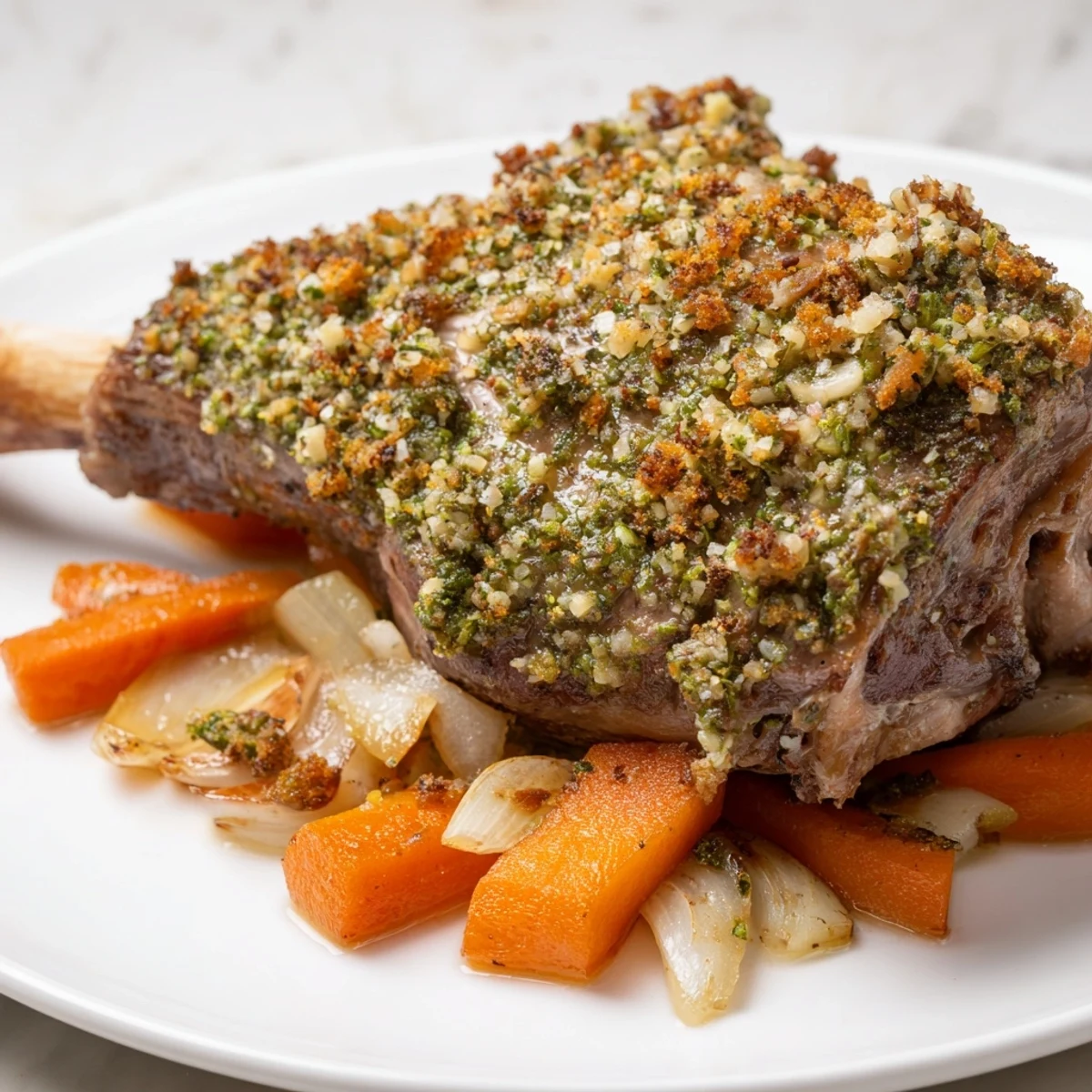
Save There is something deeply satisfying about serving a roast this impressive, watching people gather around the table, all the conversation pausing for that first bite. Pure comfort on a plate.
Recipe FAQs
- → What is the best way to prepare the herb rub?
-
Finely chop rosemary, thyme, parsley, oregano, and garlic, then mix with lemon zest and optional red pepper flakes for a vibrant, aromatic rub.
- → Should the lamb be covered while roasting?
-
Yes, cover the roasting pan tightly during the initial cooking to trap moisture and ensure tender meat, then uncover to brown the surface.
- → Can I substitute the fresh herbs with dried ones?
-
Dried herbs can be used but reduce quantities by half to avoid overpowering and adjust seasoning accordingly.
- → How do the vegetables contribute to the dish?
-
Onions, carrots, and celery create a flavorful base, infusing the lamb with natural sweetness and enhancing pan juices for serving.
- → What is the purpose of roasting at two temperatures?
-
Slow roasting at low heat ensures tender meat, while finishing at higher temperature crisps the exterior for appealing texture.