
 Save
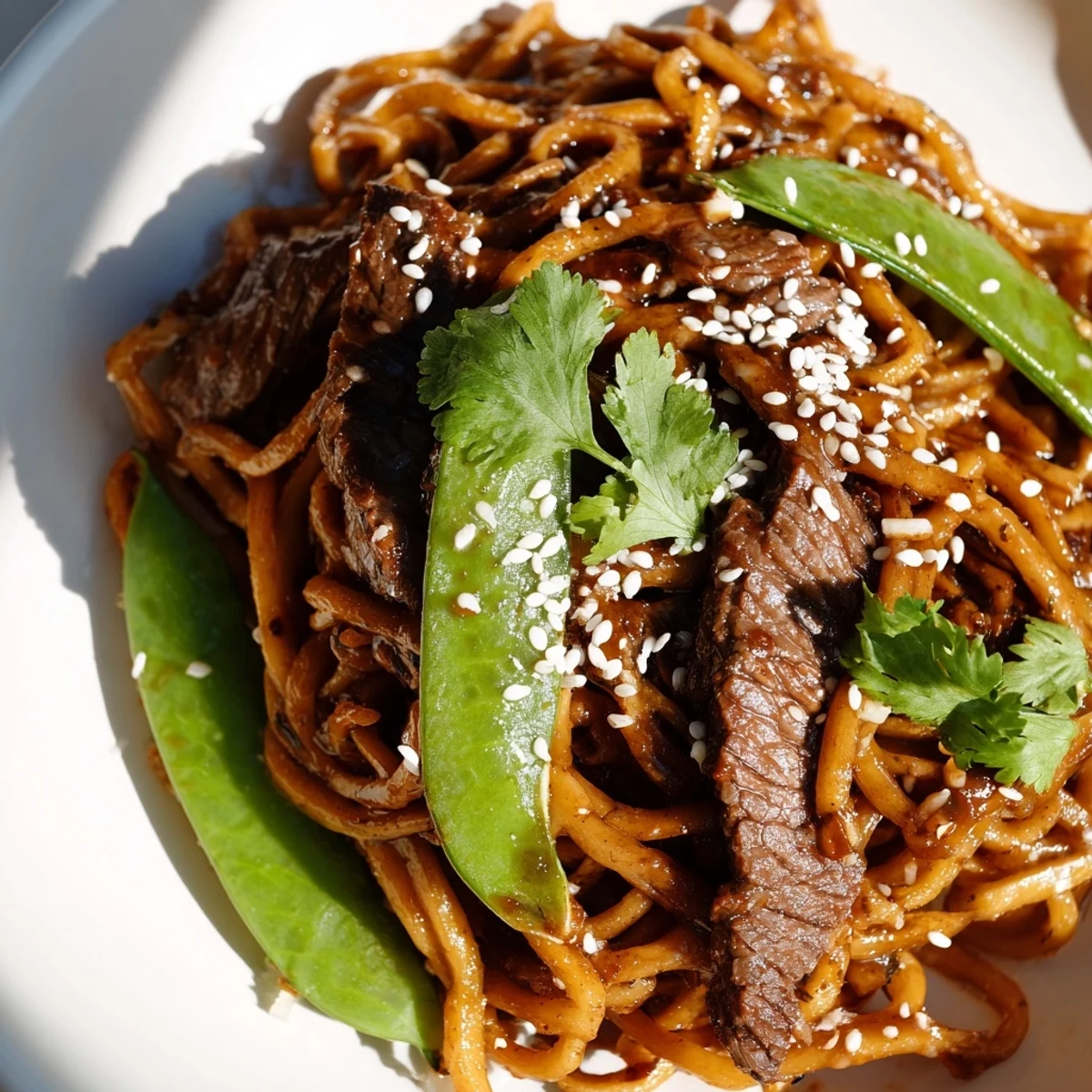
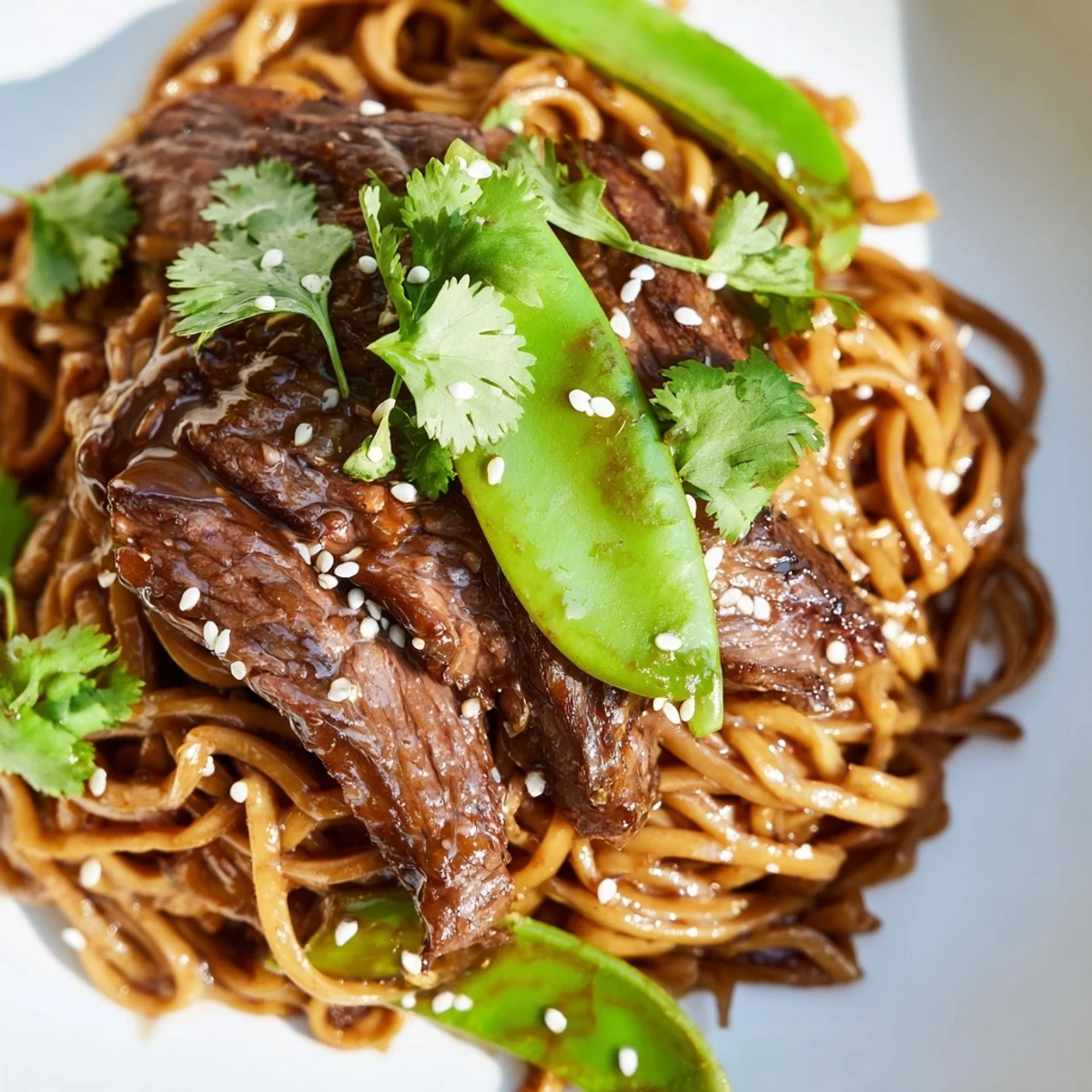
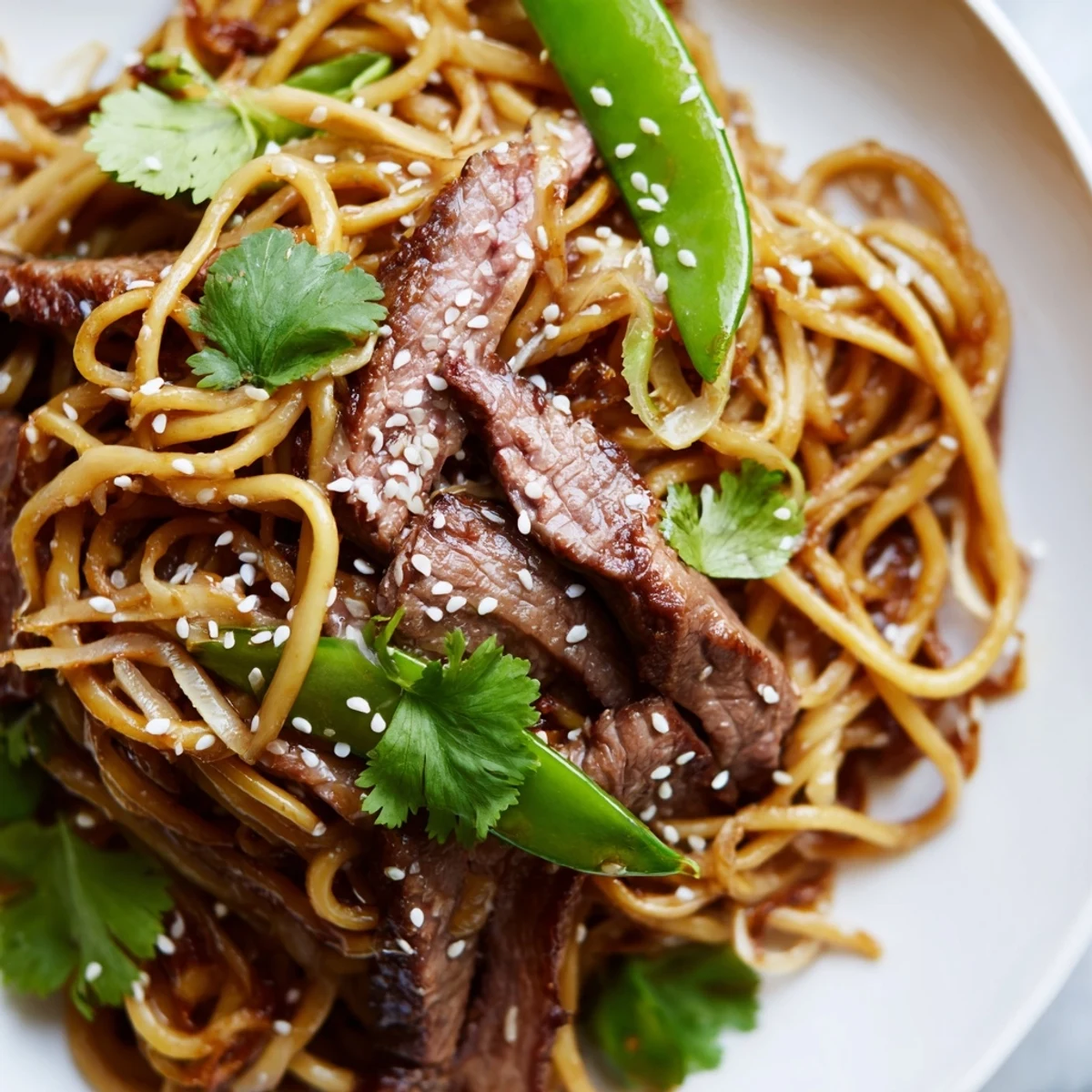
Save This vibrant dish combines tender strips of beef with fresh veggies and noodles, all tossed in a spicy, savory sauce. A quick marinade tenderizes the beef before it's stir-fried to perfection with garlic, ginger, and crisp vegetables. The flavorful sauce blends soy, oyster, chili garlic, and sesame oils to bring a balanced heat and depth. Garnished with sesame seeds and fresh cilantro, this dish serves perfectly for an easy, bold Asian-inspired meal.
There's a particular moment that comes right before the wok hits its peak temperature—that split second when the oil starts dancing and shimmering. I discovered these spicy beef noodles on a random Tuesday evening when I had leftover flank steak and an inexplicable craving for heat and umami. What started as improvisation became the dish I now make whenever someone says they want real flavor, the kind that makes you reach for water and then go back for another bite.
I made this for my neighbor last spring when she mentioned offhandedly that she missed the noodle stand near her old apartment. Watching her eyes light up when she tasted it, seeing her slow down to actually savor each bite instead of rush through—that's when I realized this dish had become more than a recipe to me. It's a small, edible thank you.
Ingredients
- Flank steak or sirloin, thinly sliced (350 g / 12 oz): The thin slicing matters more than you'd think—it cooks in seconds and absorbs the marinade beautifully, staying tender even at high heat.
- Fresh or dried wheat noodles like udon or lo mein (300 g / 10 oz): Fresh noodles give you a softer, silkier texture, but dried work just as well if that's what you have on hand.
- Red bell pepper, thinly sliced: The pepper adds sweetness and crunch that balances the heat; I always slice mine thin so they soften just enough without turning limp.
- Carrot, julienned: Julienne is just a fancy way of saying thin matchsticks—it helps them cook through while keeping their snap.
- Sugar snap peas, halved (100 g / 3.5 oz): These stay crunchy if you don't overcook them, which is the whole point; add them near the end if you're worried.
- Spring onions, sliced (3 stalks): I use both the white and green parts—the white bits cook down into mellow sweetness, and the green goes in at the very end for a fresh bite.
- Garlic, minced (3 cloves): Three cloves might sound conservative, but garlic burned at high heat turns bitter fast, so I'd rather be cautious.
- Fresh ginger, grated (1 tbsp): Don't skip this; ginger brings warmth that rounds out the heat from the chili sauce in a way nothing else can.
- Soy sauce for the marinade (1 tbsp) and sauce (3 tbsp): These two measurements are different for a reason—the marinade is just a coating, while the sauce needs enough soy to carry the flavor through the whole dish.
- Oyster sauce (1 1/2 tbsp): This is what gives the dish its savory depth, that umami quality that makes people ask what the secret ingredient is.
- Chili garlic sauce (1 tbsp, adjust to taste): This is where the heat lives; I always start with a tablespoon and taste before adding more because there's no taking it back.
- Rice vinegar (1 tbsp): A small splash of acid brightens everything and keeps the sauce from feeling one-dimensional.
- Brown sugar (1 tsp): Just enough to balance the heat with a whisper of sweetness—not enough to make it dessert.
- Toasted sesame oil (1 tsp for marinade, 1 tsp for sauce): Use the toasted kind; regular sesame oil tastes thin and forgettable by comparison.
- Sesame seeds for garnish: Toasted sesame seeds add nuttiness and texture; they're worth hunting for in the Asian aisle.
- Fresh cilantro leaves: Cilantro is controversial, I know, but it brightens everything and makes the dish taste finished.
Instructions
- Marinate the beef while you prep everything else:
- Toss your thinly sliced beef with soy sauce, cornstarch, and sesame oil in a bowl—the cornstarch helps it brown faster and keeps it tender. Let it sit for about ten minutes; you're not looking for deep flavor here, just a light coating that'll help it cook evenly.
- Get your noodles tender and ready:
- Cook them according to the package, drain them thoroughly, and rinse with cold water so they don't stick together. Set them aside in a bowl where you can see them—you'll need them in a few minutes.
- Mix your sauce and taste it before the wok even heats:
- Whisk together the soy sauce, oyster sauce, chili garlic sauce, rice vinegar, brown sugar, and toasted sesame oil in a small bowl. This is your chance to adjust the heat and balance while nothing's cooking; if it tastes too salty, add a touch of water; too dull, a bit more vinegar.
- Sear the beef quickly over high heat:
- Heat your wok or large skillet until it's genuinely hot—you should feel the heat radiating a few inches away. Add oil, and when it shimmers, add the beef in one layer, resisting the urge to stir for the first minute so it develops a brown crust. Stir-fry for about two minutes total until it's just cooked through, then move it to a clean plate.
- Build the flavor with aromatics:
- Wipe out the wok if there's any blackened bits (they're delicious but can turn bitter), add a touch more oil if needed, then add the garlic and ginger. You've got maybe thirty seconds before they start to brown, so work fast—you want them fragrant and toasted, not burned and acrid.
- Cook the vegetables until they're tender-crisp:
- Add the bell pepper, carrot, and sugar snap peas to the same wok and stir-fry for two to three minutes, tossing constantly. You want them cooked enough that they've softened slightly but still have character when you bite them.
- Bring everything together:
- Return the beef to the wok, add the cooked noodles, and pour in the sauce. Toss everything for about two minutes, making sure the sauce coats every strand and the heat distributes evenly. The noodles will pick up color and the whole thing will smell like a noodle shop at its best.
- Finish with fresh brightness:
- Stir in the sliced spring onions at the very end so they stay fresh and sharp rather than cooking down to nothing. Taste and adjust salt or heat as needed.
 Save
Save There was an evening when my sister came home stressed about a failed presentation at work, and we made this together without saying much. By the time we were tossing noodles in the wok, we were laughing at nothing in particular, and she ate two servings while telling me she'd never actually known how simple real flavor could be. Food has this quiet way of doing what words can't.
The Heat Conversation
Spice is deeply personal, and this dish leans toward bold without being dangerous. The chili garlic sauce is where the heat comes from, but it plays well with others—the sweetness of the brown sugar and the salty umami of the oyster sauce all work together to build something complex rather than just fiery. If you hate heat, you can dial it down; if you crave it, you can push it up. There's no wrong answer, only the answer that makes you happy.
Variations That Actually Work
The structure of this recipe is flexible in ways that matter. Chicken breast works beautifully and costs less, absorbing the sauce just as eagerly as beef. Tofu, if you press it well and get it crispy before the sauce hits, becomes almost meaty in the best way. Shrimp cooks faster, so keep your eyes on them. Even a mix of vegetables changes with the seasons—zucchini in summer, broccoli in winter, whatever looks good at the market. The sauce and technique stay exactly the same, which means you're really cooking one dish a hundred different ways.
Timing and the Art of Not Overcooking
The whole recipe moves at the speed of high heat, which sounds intimidating but actually works in your favor because nothing has time to turn into mush. Beef sliced thin takes two minutes, vegetables three to five depending on how you cut them, noodles two minutes to heat through. This is fast enough that you need to keep your ingredients prepped and bowls ready before the wok gets hot, but fast enough that you're done eating before you've finished telling someone about your day. It's the kind of cooking that rewards preparation and punishes distraction, but in the best possible way because the payoff is immediate.
- Prep everything before your wok gets hot—this is called mise en place and it's not fancy, it's just sensible.
- High heat and constant movement are your friends; standing still is the enemy of tender vegetables and evenly cooked noodles.
- If something looks like it might be done, it probably is; overcooked is the one mistake you can't fix once it's happened.
 Save
Save This dish is proof that simple doesn't mean boring, and fast doesn't mean careless. It's the kind of meal that reminds you why you actually like cooking.
Recipe FAQs
- → How can I adjust the spice level?
-
Modify the amount of chili garlic sauce used in the sauce to increase or decrease heat according to your preference.
- → What noodle types work best for this dish?
-
Fresh or dried wheat noodles such as udon or lo mein hold up well and complement the bold flavors.
- → Can I substitute the beef with other proteins?
-
Yes, chicken, tofu, or shrimp work nicely for variations while maintaining the dish’s essence.
- → How do I keep the vegetables crisp?
-
Stir-fry the vegetables quickly over high heat to preserve their bright color and crunch.
- → What garnishes enhance this dish?
-
Sesame seeds, fresh cilantro leaves, and extra sliced spring onions add aroma and texture.
- → Is this dish gluten free?
-
Traditional wheat noodles and soy-based sauces contain gluten, but you can substitute gluten-free noodles and tamari for adaptation.