
 Save
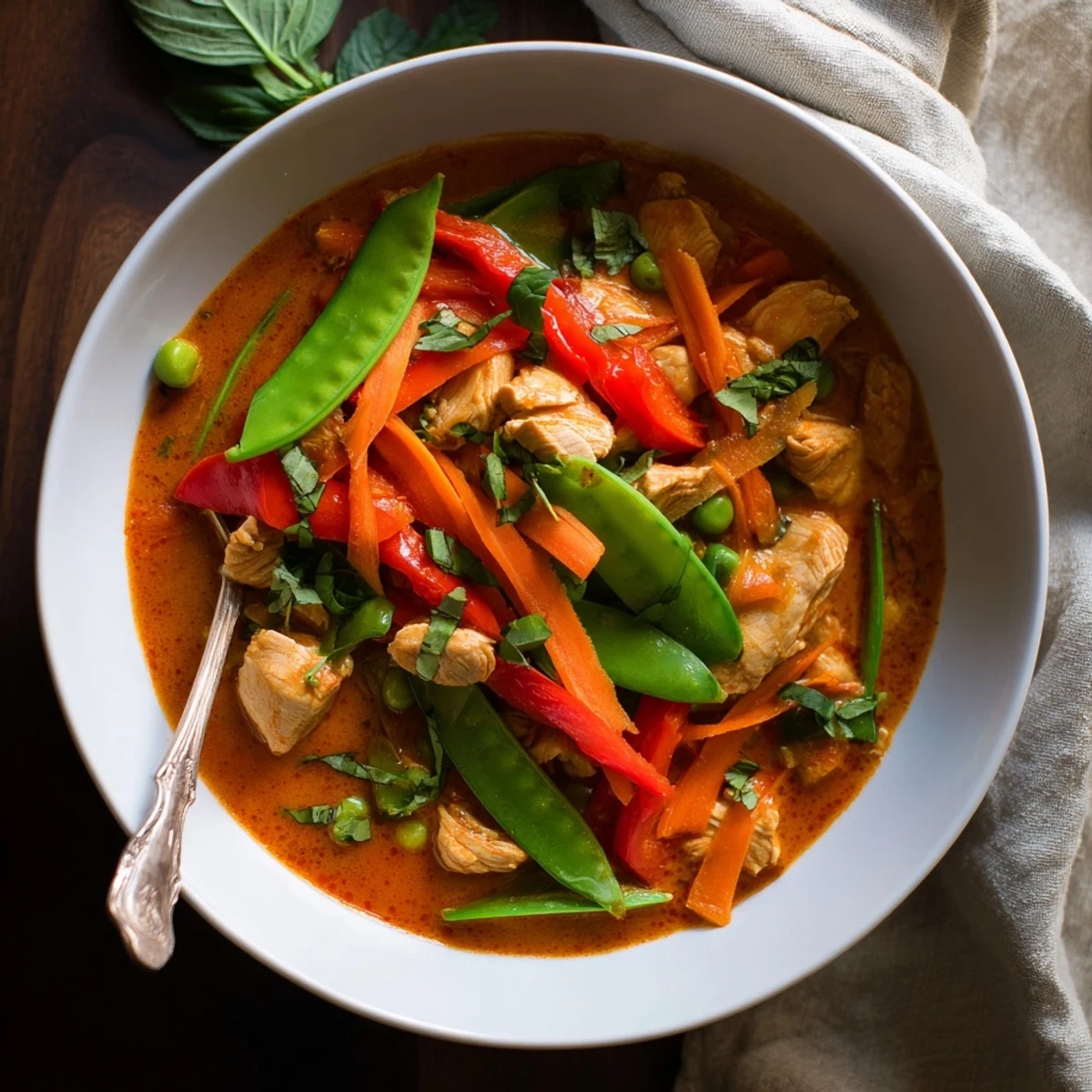
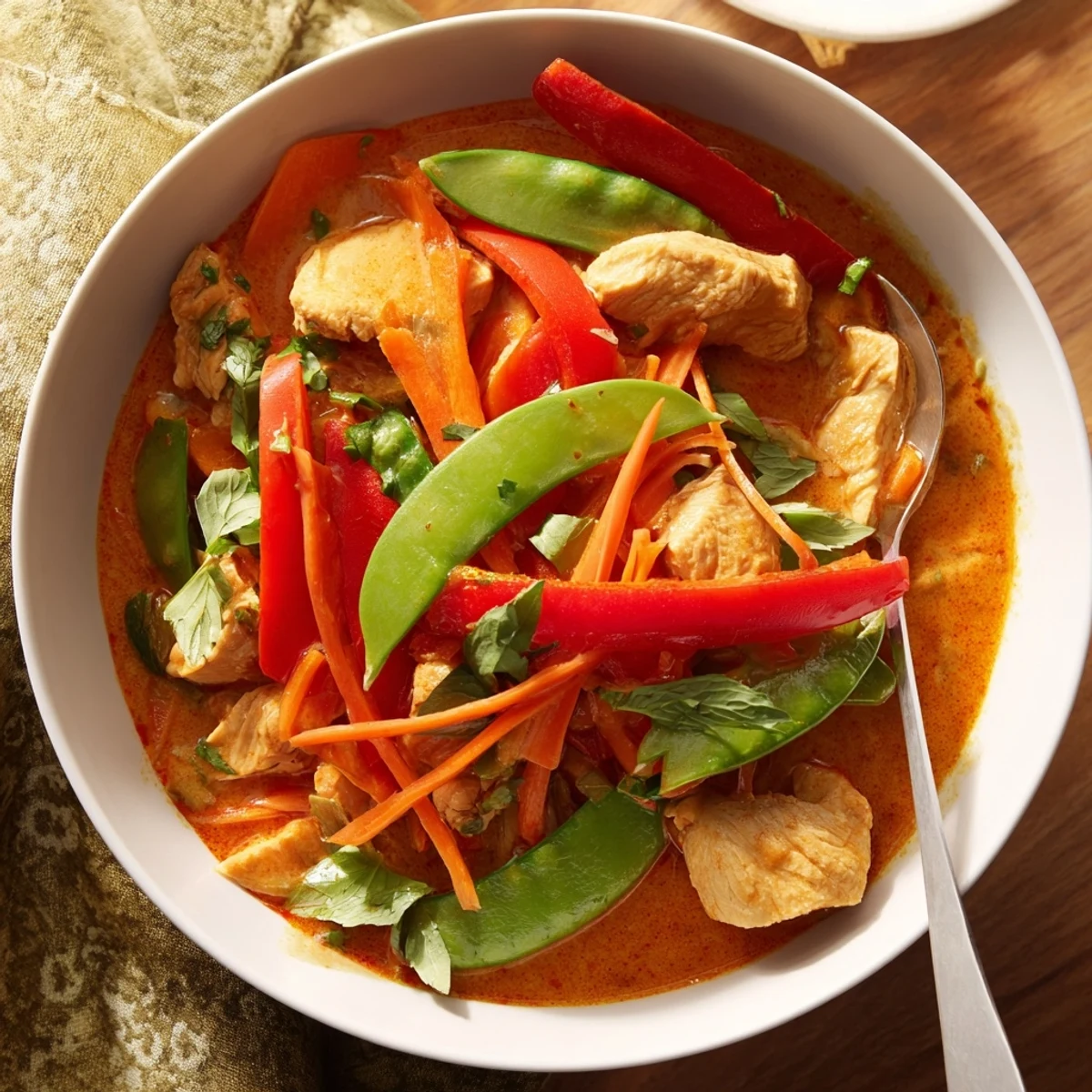
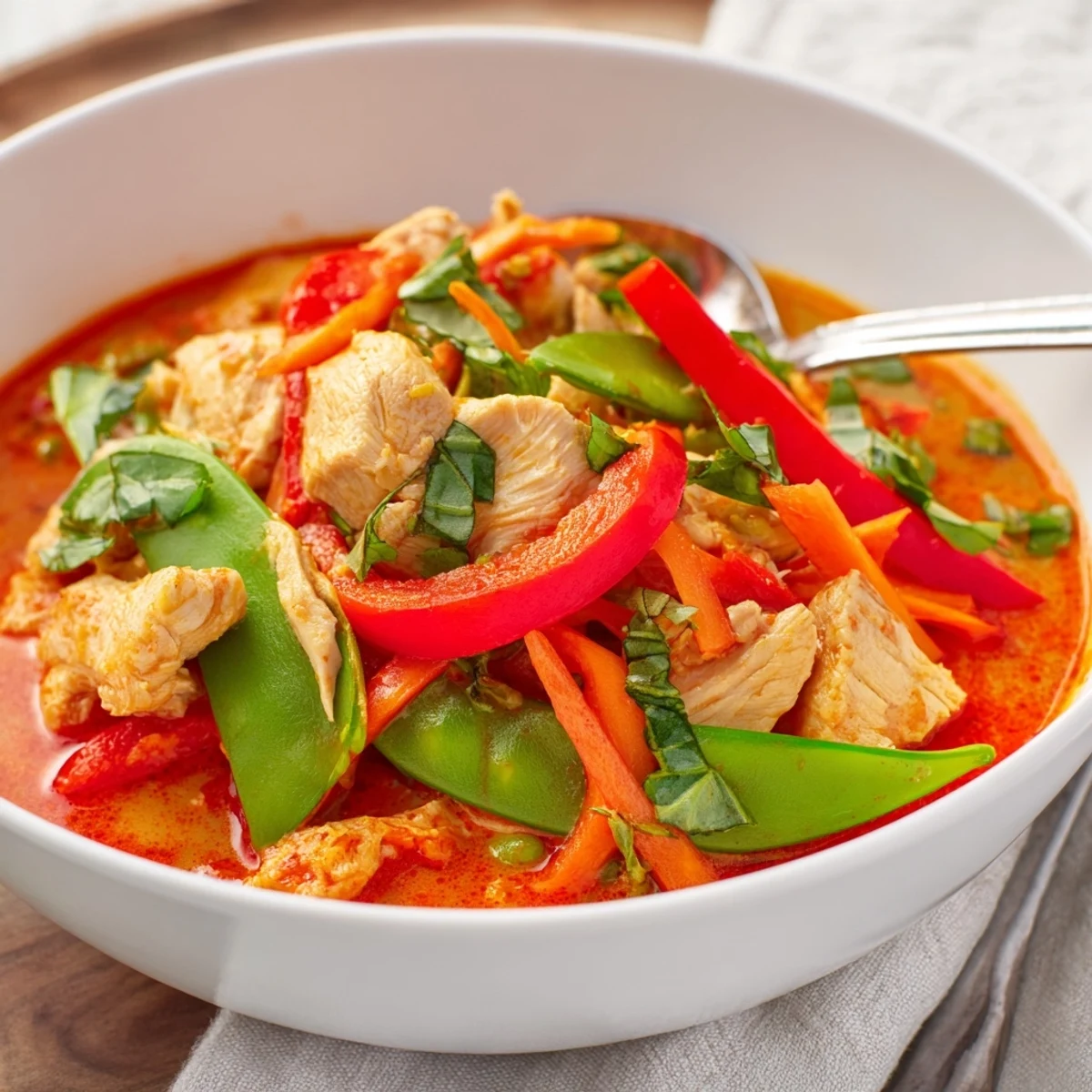
Save This vibrant Thai red curry combines tender chicken pieces with fresh vegetables in a rich, aromatic coconut-based sauce. The dish balances spicy heat from curry paste with sweetness from coconut milk and brown sugar, finished with bright lime juice and fresh herbs. Ready in just 40 minutes, it's a restaurant-quality main that's naturally gluten-free and easily adaptable to dietary preferences.
The scent of lemongrass and coconut milk drifting through my apartment takes me straight back to that tiny cooking class in Chiang Mai. Our instructor smiled as she showed us how to balance the spicy, sweet, sour, and salty elements of an authentic Thai red curry. Back home, I've tweaked the recipe countless times until it became this version – rich with flavor but surprisingly straightforward.
Last winter when my sister visited during that awful snowstorm, I made this curry and watched her eyes light up with the first bite. We sat cross-legged on the floor with steaming bowls while the wind howled outside, and she asked for the recipe three times before leaving. Now it's her go-to comfort food too.
Ingredients
- Chicken thighs: I prefer thighs over breast meat here as they stay tender even with longer cooking, and their richness stands up beautifully to the bold curry flavors.
- Thai red curry paste: The heart and soul of this dish – I learned that spending a bit more on a quality brand makes an enormous difference in the final flavor profile.
- Fish sauce: Don't be put off by the aroma in the bottle – it transforms completely in cooking and adds that elusive umami depth that makes Thai food so addictive.
- Kaffir lime leaves: These wrinkled little leaves might seem optional, but they add an aromatic citrus quality that regular lime juice simply can't replicate.
- Fresh vegetables: The contrast of crisp-tender colorful veggies against the rich sauce creates the perfect textural balance that makes this dish so satisfying.
Instructions
- Build your flavor base:
- Heat vegetable oil in a large skillet over medium heat, then add the sliced onions and sauté until they become translucent and start to soften. The kitchen will begin filling with sweet onion aroma, signaling youre ready for the next step.
- Bloom the curry paste:
- Stir in that gorgeous red curry paste and cook it for a full minute until the oils begin to separate and the fragrance becomes intoxicatingly spicy-sweet. This short cooking step unlocks all the essential oils in the spices.
- Brown the chicken:
- Add your chicken pieces and stir to coat them completely in that vibrant paste. The meat should sizzle gently as it picks up color but not brown too quickly.
- Create your curry sauce:
- Pour in coconut milk and chicken stock, then add fish sauce, soy sauce, brown sugar, and lime leaves if using. Watch as the sauce transforms into a beautiful orange-red color as you stir everything together.
- Simmer to perfection:
- Bring the mixture to a gentle bubble, then add your colorful vegetables. Let everything simmer for 8-10 minutes, resisting the urge to stir too often – just enough to ensure nothing sticks to the bottom.
- Balance the flavors:
- This is the magic moment – taste and adjust with more fish sauce for saltiness or brown sugar for sweetness until it sings on your palate. Finish with fresh lime juice which brightens everything up.
- Serve with flair:
- Ladle the curry over steaming jasmine rice and scatter fresh herbs on top. The contrast of the vibrant curry against white rice makes for a stunning presentation.
 Save
Save When my neighbor Tom was going through a rough patch, I brought over a container of this curry and rice. Weeks later he confessed it was the first time he'd felt truly cared for in months – something about the warming spices and rich comfort of the dish had spoken directly to his heart. Food has this beautiful way of communicating what words sometimes cant.
Customizing Your Curry
The beauty of Thai curry lies in its adaptability to what you have on hand. Ive made this with bell peppers from my garden, thrown in leftover roasted sweet potatoes, and even added handfuls of spinach in the final minute of cooking. Each variation tells a slightly different story while maintaining the dishes soul.
Finding Authentic Ingredients
After countless batches, I finally realized why restaurant curries tasted different from my home versions – specialty ingredients matter. Most supermarkets now have international sections, but Asian grocery stores offer better quality curry pastes, real fish sauce, and those essential kaffir lime leaves that make all the difference.
Serving Suggestions
While jasmine rice is the traditional pairing, Ive discovered this curry is remarkably versatile beyond the expected. One rainy Sunday I served it over rice noodles, and another time with warm naan bread when rice was mysteriously absent from my pantry.
- For a complete Thai meal, serve alongside a simple cucumber salad dressed with rice vinegar, sugar, and a pinch of salt.
- Keep napkins handy – this isnt a dish to eat when wearing your favorite white shirt.
- A cold lager or coconut water served in the same meal helps balance the curry's heat beautifully.
 Save
Save This curry has become more than just dinner in my home – it's what I make when I want to wrap someone in culinary comfort. May it bring the same warmth and satisfaction to your table.
Recipe FAQs
- → Can I adjust the spice level?
-
Yes, easily control heat by using more or less Thai red curry paste. Start with 2 tablespoons and increase to taste. Fresh red chilies can be added for additional spice, or omitted entirely for a milder version.
- → What can I substitute for chicken?
-
Shrimp cooks quickly in the same time frame, or use firm tofu for a vegetarian option. Beef or pork also work well—adjust cooking time based on thickness of your protein choice.
- → Is this truly gluten-free?
-
Yes, if you use gluten-free soy sauce and verify your curry paste contains no gluten. Most Thai red curry pastes are naturally gluten-free, but always check product labels for hidden gluten sources.
- → How do I store leftovers?
-
Store in an airtight container in the refrigerator for up to 3 days. The flavors actually deepen overnight. Reheat gently on the stovetop, adding a splash of water if the sauce has thickened too much.
- → What should I serve alongside this?
-
Steamed jasmine rice is traditional and pairs beautifully. For lower-carb options, try cauliflower rice or serve over noodles. A crisp Riesling or Thai iced tea complement the spiced flavors perfectly.
- → Why is my curry sauce too thin or too thick?
-
Simmer longer to reduce and thicken the sauce. If too thick, add more chicken stock or water gradually. The curry should coat the back of a spoon but still have a pourable consistency.