
 Save
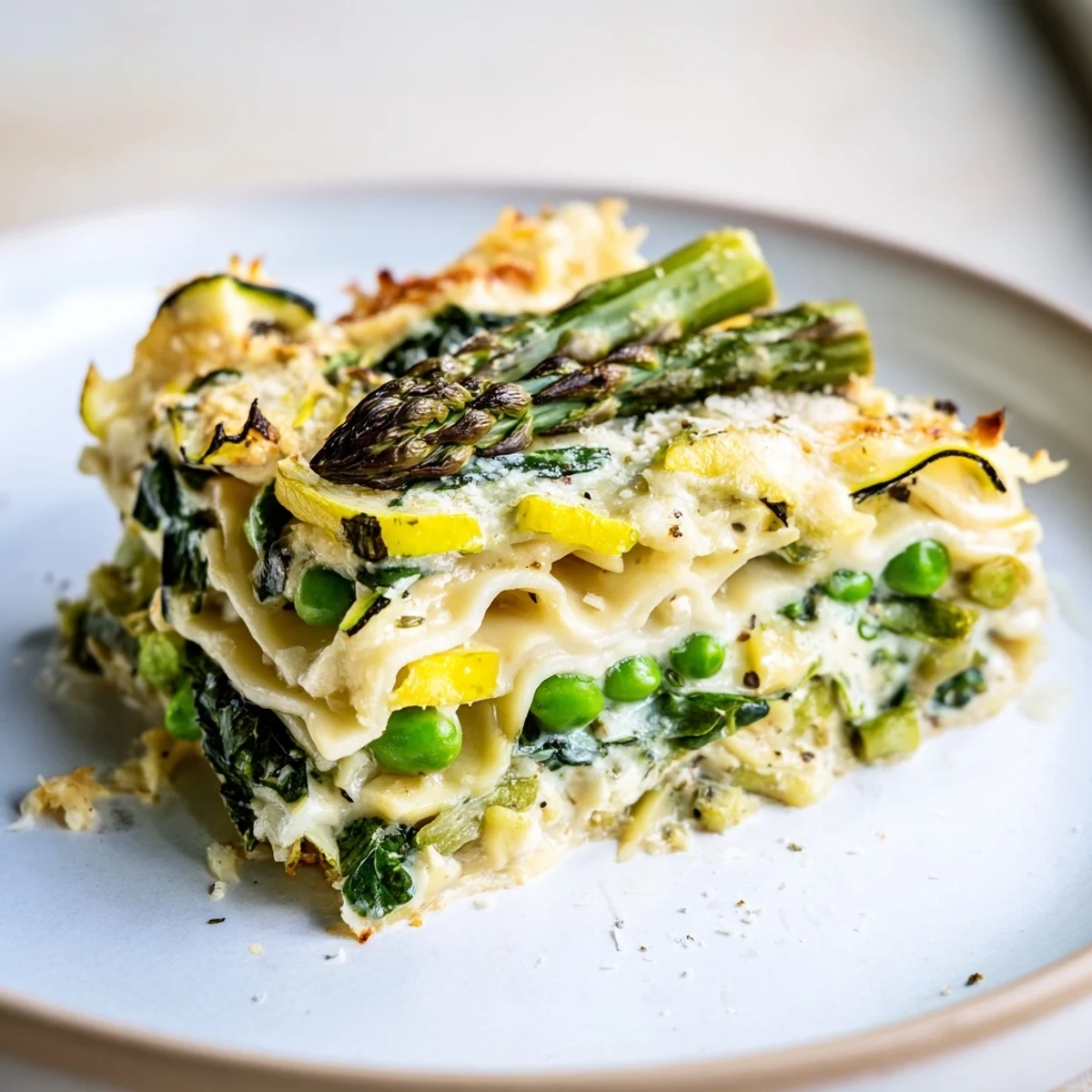
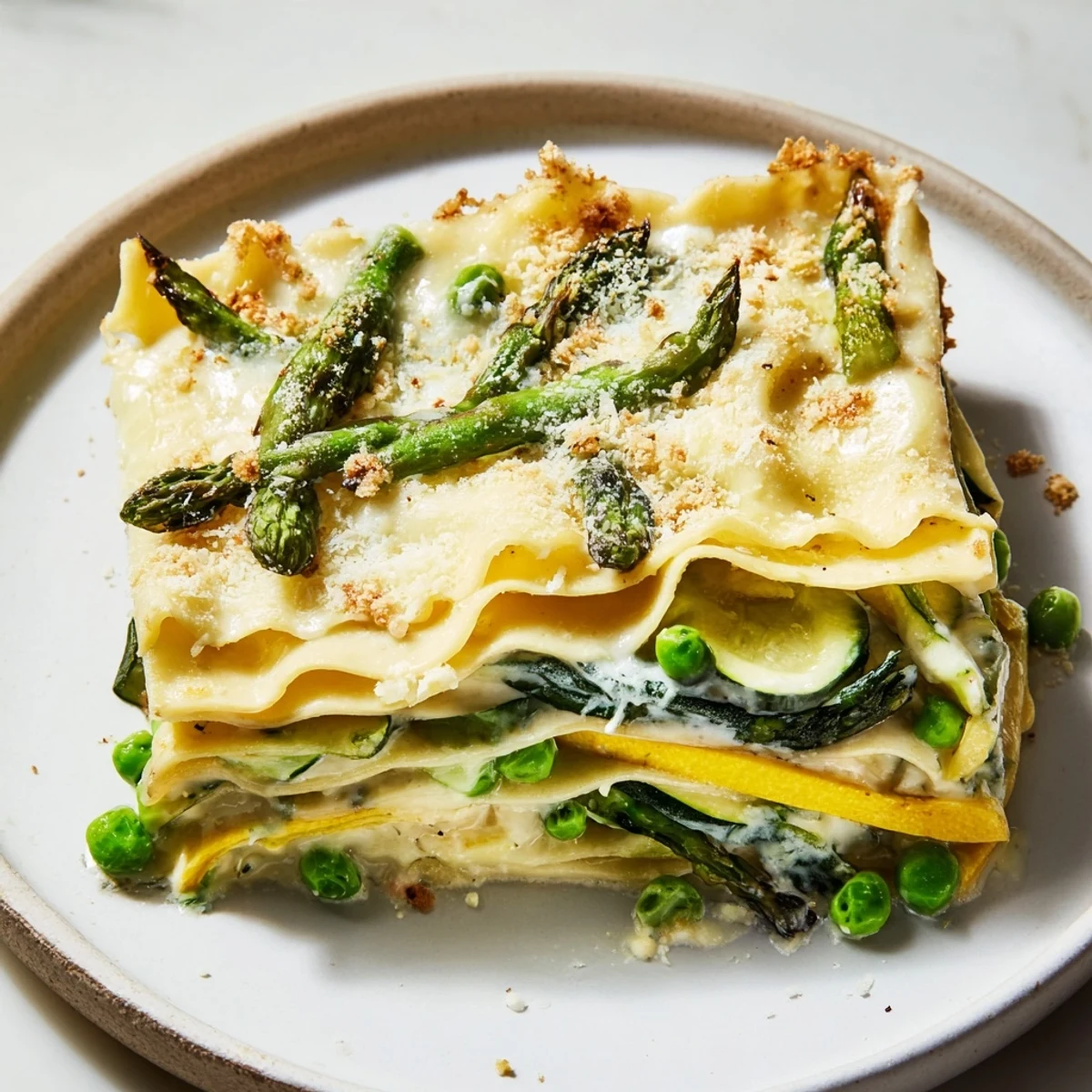
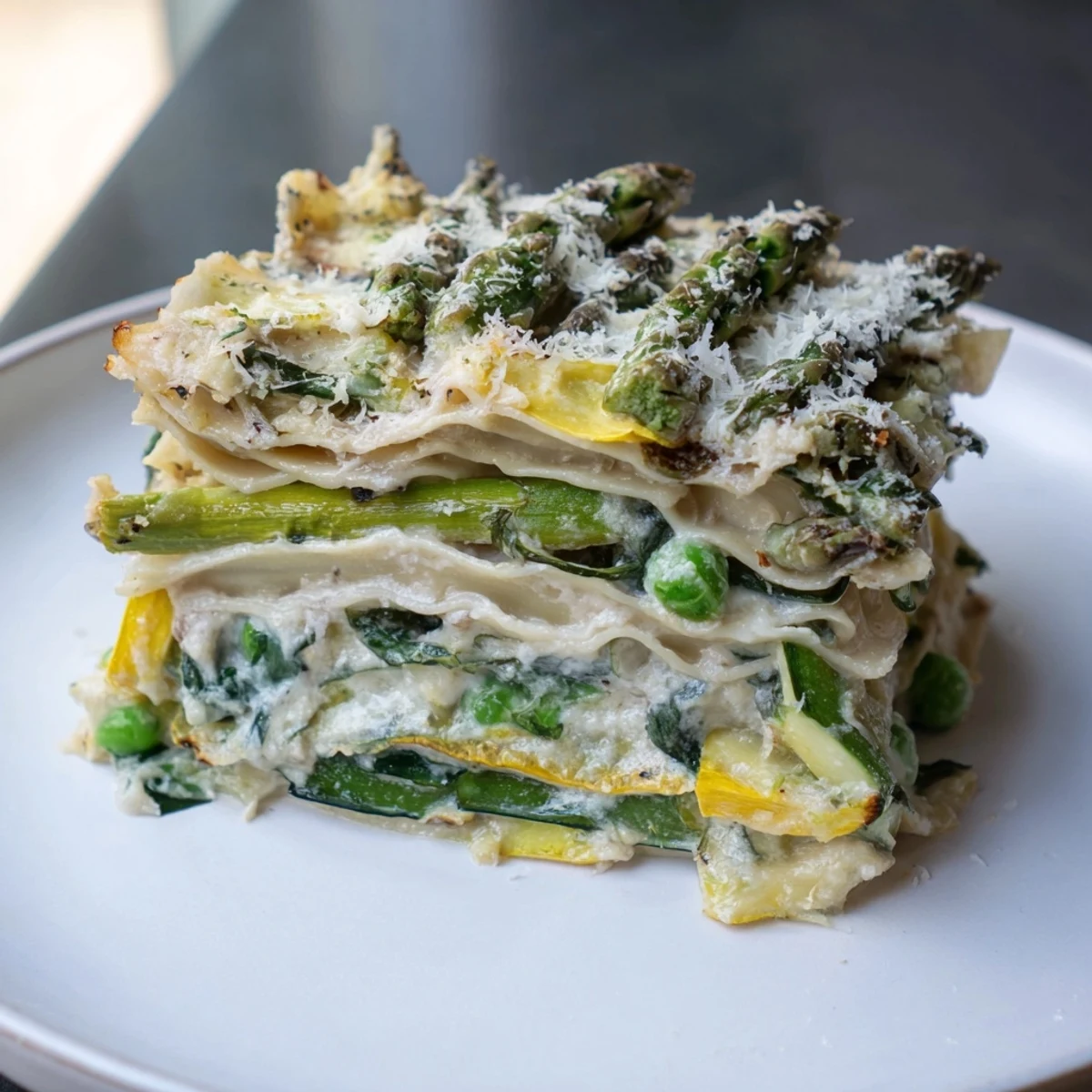
Save This lasagna highlights fresh spring vegetables like zucchini, asparagus, and peas, lightly sautéed and layered with tender pasta sheets. A creamy white béchamel sauce, enriched with butter and milk, adds velvety texture throughout the layers. Cheese blends including ricotta, mozzarella, and Parmesan deliver rich, savory notes. Baked until golden and bubbly, the dish rests to set before serving, resulting in a light and flavorful centerpiece that embraces seasonal bounty.
The first time I made this lasagna, it was an impulsive decision after finding gorgeous baby zucchini and asparagus at the farmers market. I was tired of the same old red sauce routine and wanted something that felt like spring on a plate. My kitchen smelled incredible as the vegetables sautéed, that grassy, sweet aroma of fresh produce hitting warm olive oil. Now it is become my go-to for when I want something comforting but not heavy.
I served this at my first dinner party of spring last year, and my friend Sarah actually stopped mid-conversation after her first bite. The table went quiet for a moment as everyone tasted the contrast between tender vegetables and that creamy, nutmeg-scented béchamel. Seeing people lean in over their plates, genuinely excited about vegetables in lasagna, that is the moment this recipe became a keeper for me.
Ingredients
- 1 medium zucchini, thinly sliced: Thin slices cook evenly and layer beautifully without overwhelming the pasta
- 1 medium yellow squash, thinly sliced: Adds sweetness and a gorgeous yellow pop between the green vegetables
- 1 cup asparagus tips: Use just the tender tips for the best texture, no woody stems allowed
- 1 cup baby spinach leaves: They wilt down into the layers, adding color without bitterness
- 1 cup fresh or frozen peas: Little bursts of sweetness that make every bite interesting
- 1 small leek, white and light green parts only: Milder than onion, with a subtle sweetness that bridges the vegetables and cream sauce
- 2 tablespoons olive oil: For sautéing the vegetables until they are just tender, not mushy
- 1/2 teaspoon salt and 1/4 teaspoon black pepper: Season the vegetables while they cook, seasoning in layers builds depth
- 1 1/2 cups ricotta cheese: Creates creamy pockets between the noodles, use whole milk ricotta for the best texture
- 1 1/2 cups shredded mozzarella cheese: The cheese pull factor, plus it helps bind the layers together
- 1 cup grated Parmesan cheese: Adds salty depth and a golden crust on top
- 1 large egg: Keeps the ricotta layer stable and sliceable
- 4 tablespoons unsalted butter: The foundation of your béchamel, let it foam before adding flour
- 1/4 cup all-purpose flour: Whisk this thoroughly into the butter to cook out any raw flour taste
- 3 cups whole milk: Warm the milk slightly before adding, it helps prevent lumps and incorporates faster
- 1/4 teaspoon ground nutmeg: The secret ingredient in béchamel that makes it taste professionally made
- 1/2 teaspoon salt and 1/4 teaspoon white pepper: White pepper keeps the sauce pristine in appearance, season generously
- 12 no-boil lasagna noodles: They absorb excess moisture from the vegetables while cooking, creating perfectly tender pasta
Instructions
- Preheat your oven to 375°F (190°C)
- Get everything ready before you start cooking, mise en place saves so much stress with lasagna
- Sauté the spring vegetables
- Heat olive oil in a large skillet over medium heat, add zucchini, squash, asparagus tips, leek, and peas, cooking for 5 to 7 minutes until just tender, then toss in spinach until wilted
- Make the béchamel sauce
- Melt butter in a medium saucepan, whisk in flour and cook for 1 minute, then gradually add milk while whisking constantly, simmering until thickened about 5 minutes, then stir in nutmeg, salt, and white pepper
- Mix the ricotta filling
- Combine ricotta, egg, and 1/2 cup Parmesan in a small bowl until smooth and evenly incorporated
- Layer your lasagna
- Spread a thin layer of béchamel on the bottom of a 9x13-inch baking dish, then add 3 noodles, 1/3 of the ricotta mixture, 1/3 of the vegetables, 1/3 of the mozzarella, and 1/4 of the béchamel, repeating twice more and finishing with remaining noodles, béchamel, mozzarella, and Parmesan
- Bake until golden and bubbling
- Cover with foil and bake for 30 minutes, then remove foil and bake 15 to 20 minutes more until the top is golden brown and the sauce is bubbling around the edges
- Let it rest before serving
- Wait 10 minutes before slicing, this resting period is crucial for clean slices that hold their shape
 Save
Save This lasagna has become my way of welcoming spring, of celebrating that moment when the farmers market starts bursting with greens again. Last week my daughter asked if we could have it for her birthday dinner instead of cake, and honestly, I cannot blame her.
Making It Ahead
I have learned that this lasagna actually tastes better when made a day ahead, giving the flavors time to mingle and the sauce to settle into the noodles. Assemble the entire dish, cover tightly, and refrigerate for up to 24 hours before baking, adding about 10 minutes to the covered baking time.
Vegetable Swaps
While the classic combination is hard to beat, I have had great success swapping in whatever looks best at the market. Artichoke hearts add lovely tang, fava beans bring earthiness, and even blanched green beans work beautifully when cut into bite-sized pieces.
Serving Suggestions
A crisp white wine like Sauvignon Blanc cuts through the creamy richness beautifully, and a simple arugula salad with lemon vinaigrette adds brightness without competing with the lasagna. I usually skip bread because the noodles are plenty substantial, but sometimes I will roast some asparagus spears on the side.
- Let leftovers cool completely before refrigerating, they keep beautifully for 3 days
- Reheat individual portions covered with a damp paper towel to prevent drying out
- The texture holds up surprisingly well after freezing, though I recommend thawing overnight before reheating
 Save
Save There is something so satisfying about a lasagna that feels light enough for spring but still delivers all the comfort we crave. I hope this becomes a favorite in your kitchen too.
Recipe FAQs
- → What vegetables are used in the lasagna?
-
Thinly sliced zucchini, yellow squash, asparagus tips, baby spinach, peas, and leek are sautéed to bring fresh spring flavors.
- → How is the béchamel sauce prepared?
-
Butter and flour are cooked briefly, then whole milk is whisked in and simmered until thickened, seasoned with nutmeg, salt, and white pepper.
- → Can the vegetable mix be substituted?
-
Yes, alternatives like artichoke hearts or fava beans may be used to vary the vegetable selection seasonally.
- → What cheese varieties are incorporated?
-
The layers include ricotta mixed with egg and Parmesan, shredded mozzarella, and additional grated Parmesan to enrich the texture and flavor.
- → What is the baking process to achieve the perfect finish?
-
After layering, the dish is baked covered for 30 minutes, then uncovered for 15–20 minutes until golden and bubbling, followed by a 10-minute rest.
- → What wine pairs well with this dish?
-
Crisp white wines like Sauvignon Blanc or Pinot Grigio complement the creamy texture and fresh vegetables nicely.