
 Save
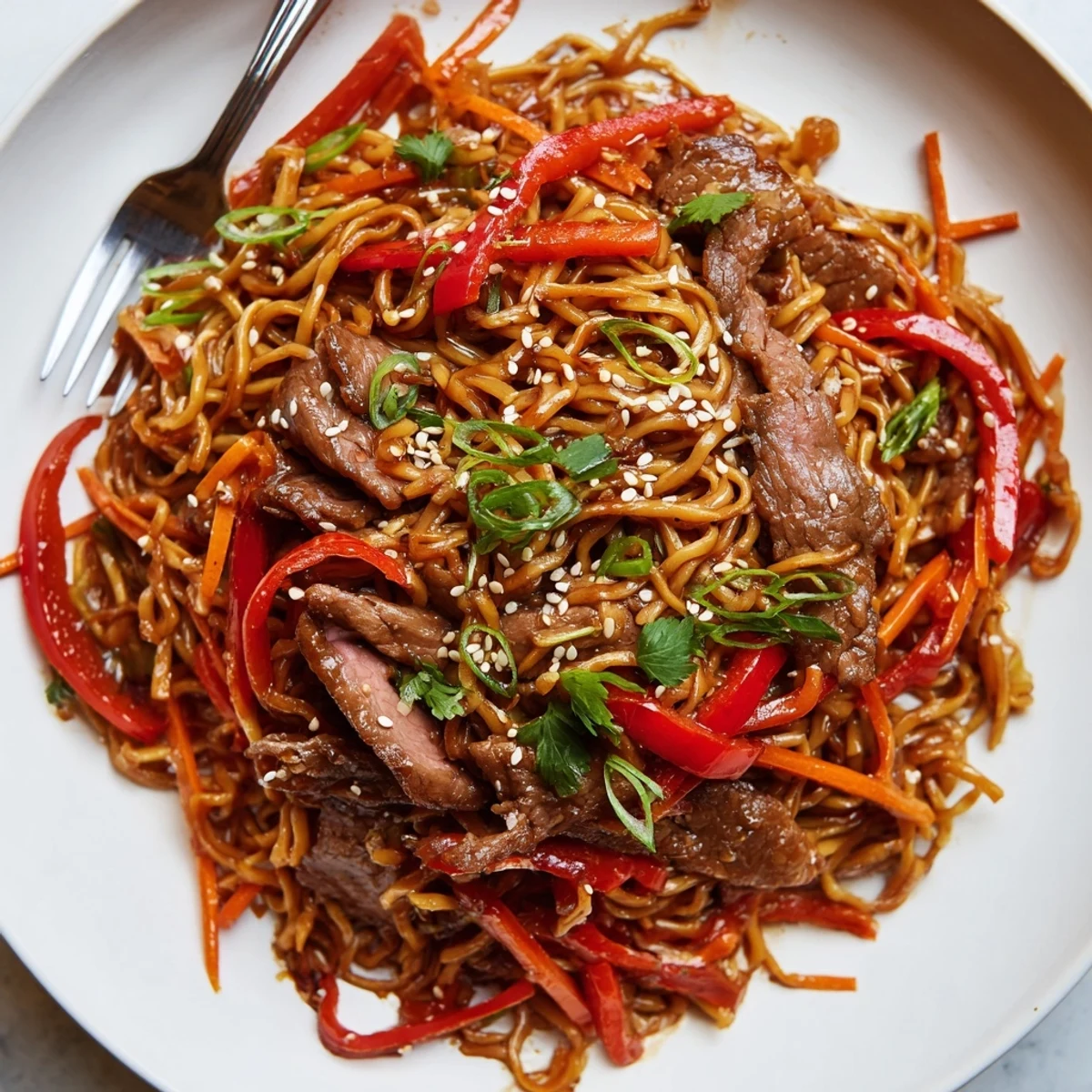
Save Marinate thinly sliced beef in soy, cornstarch and sesame oil, then sear briefly over high heat for a caramelized edge. Cook noodles al dente and whisk hoisin, dark soy, oyster sauce and honey into a glossy sauce. Stir-fry garlic, ginger and vegetables, return the beef, add the sauce and toss with noodles until coated. Garnish with toasted sesame and fresh herbs. Ready in about 30 minutes; swap tofu or rice noodles for variations.
No matter how many times I’ve made quick dinners in a pinch, there are very few that fill my kitchen with as much energy as sticky beef noodles do. The sizzle from the wok makes my whole apartment sound like a restaurant, and that rich, savory scent that spirals up from the beef and noodles turns a Tuesday night into a tiny celebration. There’s always a moment when the sauce hits the pan—a whoosh of fragrance so inviting you can’t help but sneak a taste. This is the kind of meal I reach for when nothing else will do.
Last spring, after a string of late meetings, I once cooked these noodles for a couple of friends who dropped by unannounced. I remember laughing as we gathered around my tiny kitchen table, stringing bright noodles from bowl to mouth with chopsticks while telling stories. I nearly forgot to sprinkle the sesame seeds at the end, but we agreed the little crunch made everything better. That surprise dinner is still my favorite accidental gathering.
Ingredients
- Beef sirloin or flank steak: Go for thin slices across the grain—it helps the beef stay tender and pick up the marinade.
- Soy sauce: Adds that deep umami, but a splash more is perfect if you like things extra savory.
- Cornstarch: Creates a velvety coating that locks in beef tenderness—just mix thoroughly to avoid little clumps.
- Sesame oil: A drizzle here brings in such a nutty aroma that carries through the whole dish.
- Freshly ground black pepper: Just a little sharpness to balance the sweetness of the sauce.
- Egg noodles: I love the chew, but rice noodles work brilliantly for gluten-free nights.
- Red bell pepper: Those vivid strips not only add crunch, they make everything brighter on the plate.
- Carrot: Julienne it as thin as possible for quick cooking and a subtle sweetness.
- Spring onions: Slicing these into chunks gives a fresh bite and a pretty pop of green at the end.
- Garlic: Mince finely so it doesn’t burn and still perfumes the oil instantly.
- Ginger: Grating it fresh gives you more zing and helps it melt right into the sauce.
- Hoisin sauce: Sticky and sweet, it’s the foundation of that glossy coating on the noodles.
- Dark soy sauce: The secret to bold color and deeper flavor—don’t skip it.
- Oyster sauce: A dash of briny depth, but mushroom sauce also works for vegetarians.
- Honey: Rounds everything out and gives extra stickiness.
- Water: Helps loosen the sauce just enough to coat every strand without being soupy.
- Toasted sesame seeds: Adds nutty crunch right before serving; I always toast a little extra.
- Fresh coriander or scallions: Scatter on top for herbal aroma and color, or just snip whatever you have on hand.
Instructions
- Marinate the beef:
- Toss the sliced beef with soy sauce, cornstarch, sesame oil, and black pepper in a bowl, massaging until slick and glossy. Let it rest ten minutes on the counter so the flavors soak in.
- Prep the noodles:
- Cook your noodles per the packet, then drain and rinse to prevent sticking. I like to give them a little toss with oil if they’re sitting for a bit.
- Whisk up the sticky sauce:
- Combine hoisin, dark soy, oyster sauce, honey, and water in a small bowl until it becomes one homogenous, magazine-glossy mixture.
- Sear the beef:
- Heat up your wok until nearly smoking, add oil, and sear beef for just a minute or two—stirring fast so it browns without overcooking. Remove beef from the pan and set aside, leaving those tasty browned bits.
- Sauté aromatics and veggies:
- Drop in more oil if needed, then quickly fry garlic and ginger until fragrant before tumbling in bell pepper, carrot, and spring onions. Stir-fry until the veggies look glossy and slightly softened but still vibrant.
- Return beef and add sauce:
- Put the beef back in, pour over your sticky sauce, and toss everything so it sizzles and bubbles, making sure all those juices mingle.
- Mix in the noodles:
- Add cooked noodles, tossing vigorously so every strand gets shiny and coated in sauce. Cook for another two minutes for the flavors to really come together.
- Finish and serve:
- Heap noodles into bowls and shower with sesame seeds, coriander, or scallions. Dig in while it’s steamy and glossy!
 Save
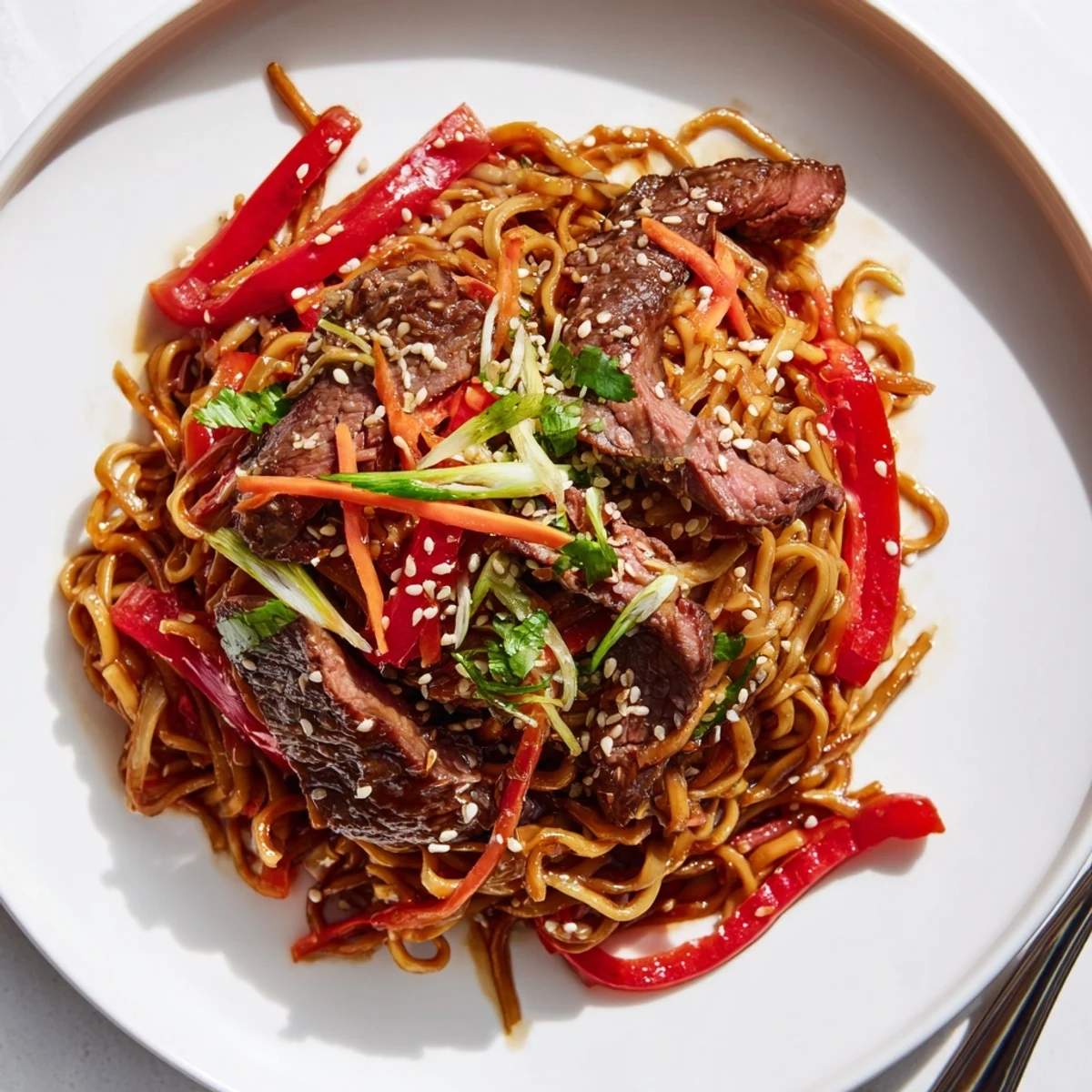
Save There was a chilly evening when I made this for my partner after a tough day, and the kitchen smelled incredible—it was one of those quiet suppers where conversation comes easier with every slurp. Sometimes, the best part of sticky beef noodles is seeing the smile that comes after the first glossy bite, reminding you that comfort really can be homemade.
How to Get Your Beef Tender Every Time
One tip I’ve adopted is always slicing the beef thinly and against the grain, which makes even budget cuts melt-in-your-mouth soft. That quick marinade locks in moisture and prevents it from getting tough during the brief stir-fry. Keep your wok hot and don’t stir too much once you add the beef—give it space to get golden.
Making This Recipe Your Own
Don’t hesitate to swap in whatever fresh vegetables are in your fridge—snow peas, broccoli, or even zucchini all work. I’ve used tofu instead of beef for friends, with just as good results (marinate it the same way, but pat dry for the best browning). For those who seek an extra layer of heat, a pinch of chili flakes makes a world of difference.
Troubleshooting Sticky Situations
If your noodles ever stick or clump, just run them under hot water and shake gently to loosen. Watch the sauce—if it looks too thick, add a splash of water; if it’s too thin, let it bubble an extra minute with the noodles. Nothing ruins the joy quicker than burnt garlic, so keep your wok moving.
- Have all your veggies sliced and sauces mixed before you heat the pan.
- Use tongs for tossing noodles to avoid breakage.
- Taste and adjust the sauce at the end, not before.
 Save
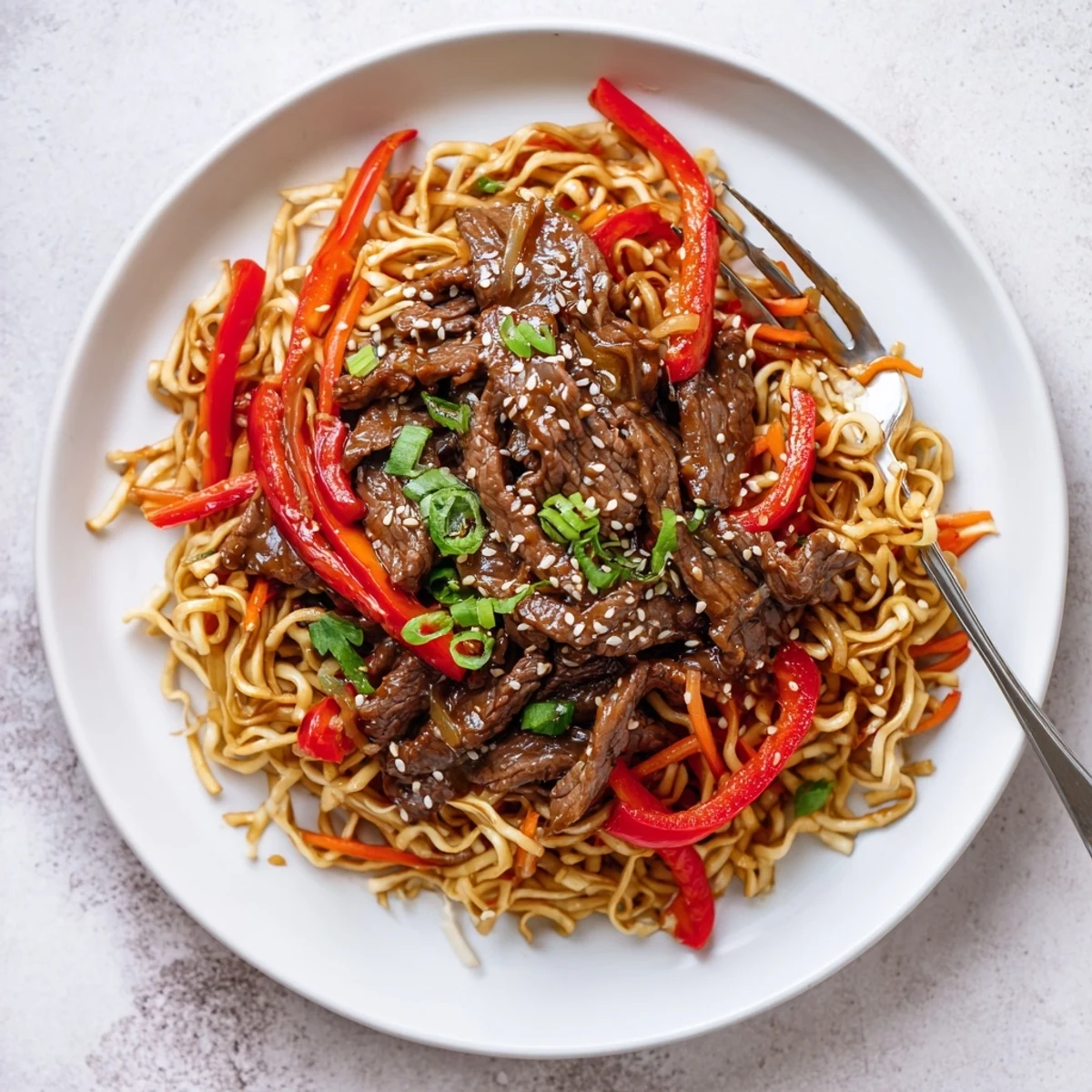
Save Sticky beef noodles are proof that a good meal doesn’t have to be fussy. Share a bowl with someone you love and watch those troubles melt away, one glossy slurp at a time.
Recipe FAQs
- → What is the best cut of beef to use?
-
Choose tender, quick-cooking cuts like sirloin or flank. Slice thinly against the grain for maximum tenderness and quicker searing.
- → How can I make this gluten-free?
-
Use rice noodles and substitute tamari or a gluten-free soy alternative. Look for gluten-free hoisin and oyster sauce or use a mix of tamari and a touch of sweetener.
- → How do I get a glossy, sticky sauce?
-
Whisk together hoisin, dark soy, oyster and honey, then finish over high heat to reduce briefly. A light cornstarch coating on the beef and a quick bubble in the pan helps the sauce cling to noodles.
- → How do I prevent the noodles from becoming mushy?
-
Cook noodles just to al dente and drain well. For fresh noodles, rinse under cold water to stop cooking. Toss briefly over high heat at the end to warm and coat without overcooking.
- → What are good heat and flavor additions?
-
Add crushed chili flakes, sliced fresh chilies, or a drizzle of chili oil to the sauce for heat. A splash of rice vinegar or lime brightens the sweet-savory balance.
- → How should leftovers be stored and reheated?
-
Store in an airtight container in the fridge for 2–3 days. Reheat in a hot wok or skillet with a splash of oil or water, tossing quickly to revive the sauce and avoid sogginess.