
 Save
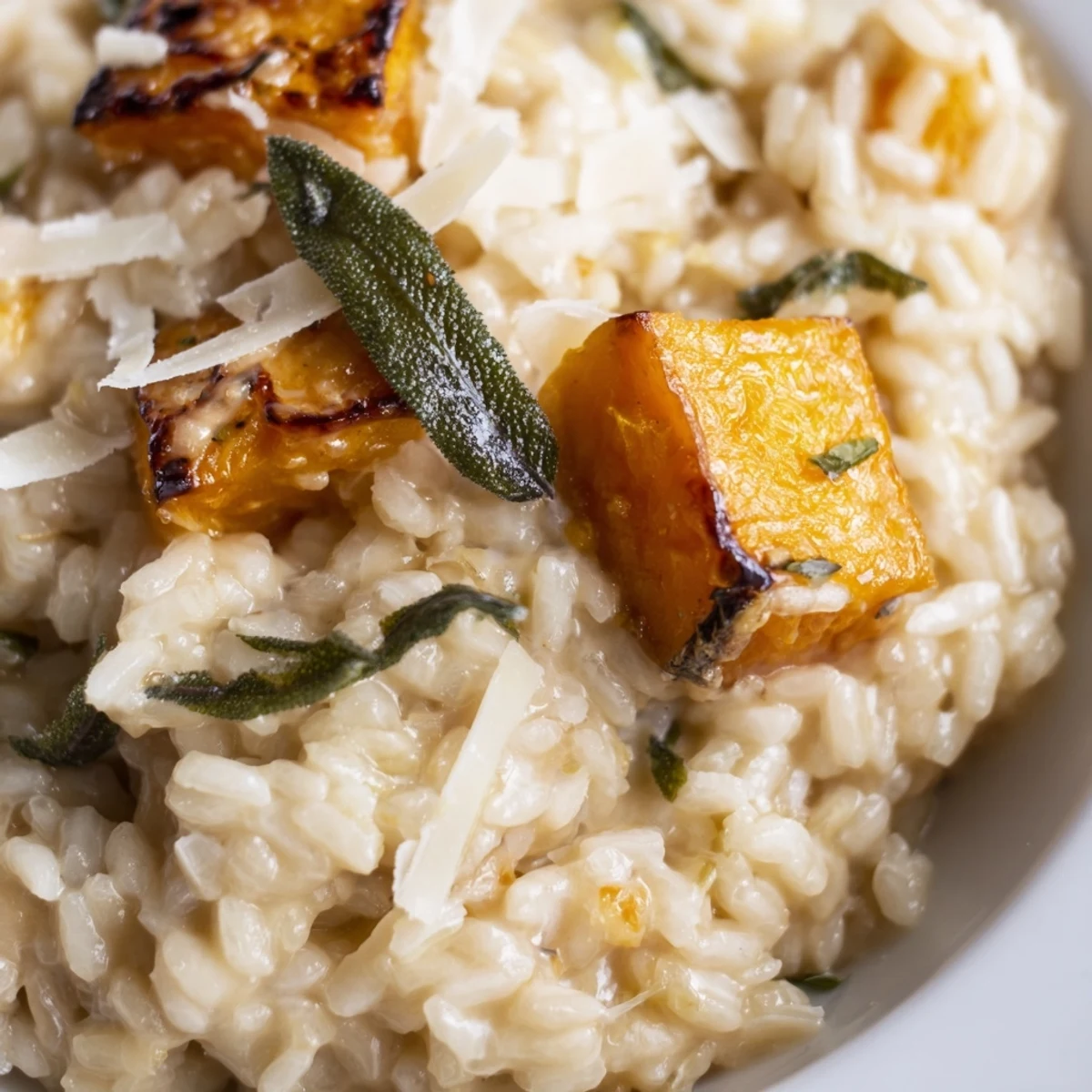
Save This comforting Italian dish combines creamy Arborio rice with tender roasted winter squash for a rich, satisfying main course. The grains are slowly cooked with warm vegetable stock, allowing them to release their starch and create that signature velvety texture.
Fresh sage brings aromatic warmth while aged Parmesan adds savory depth. The roasted squash adds natural sweetness and creamy body to every bite. Serve this on cold evenings when you need something warming and nourishing.
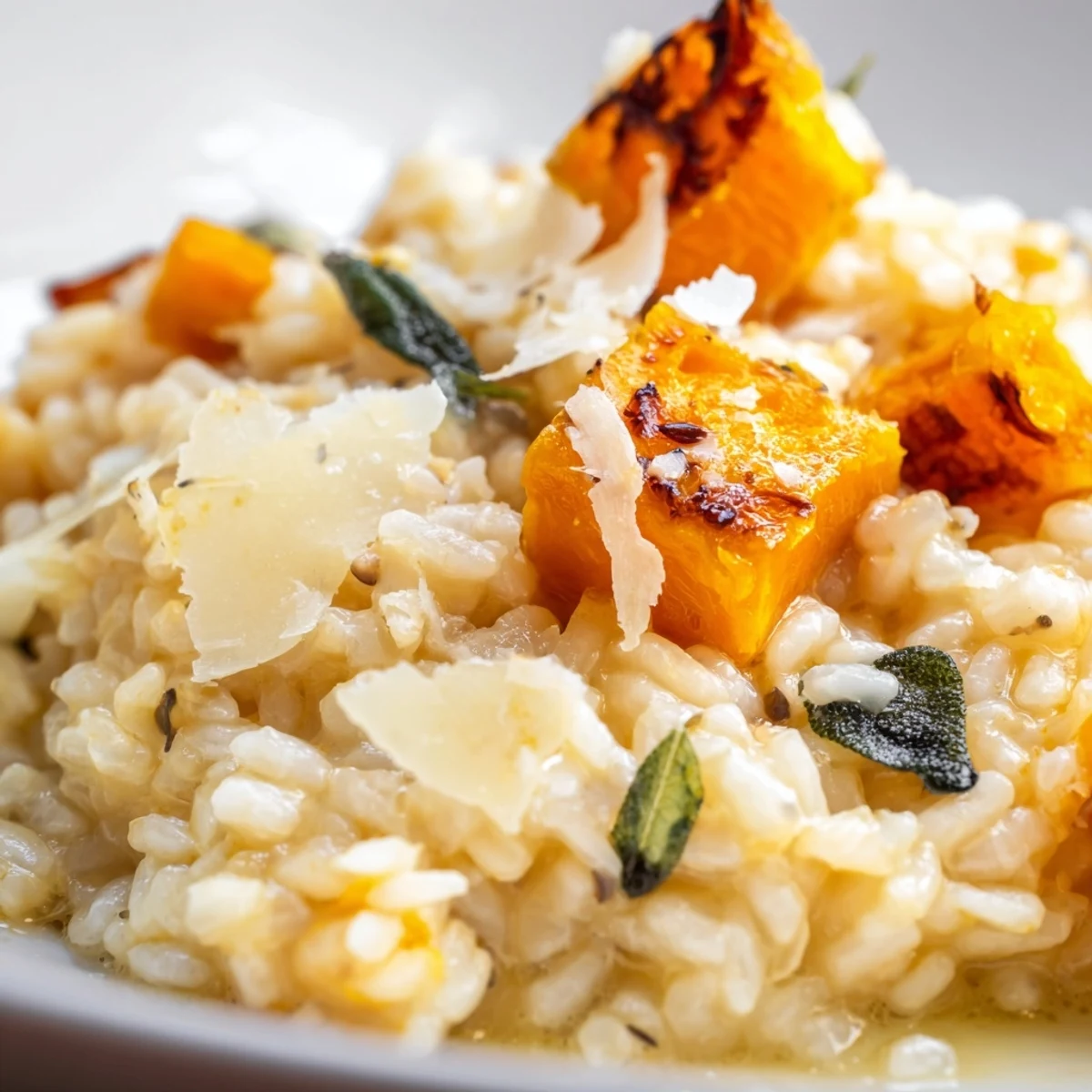
Each ladleful of stock transforms the rice, resulting in perfectly al dente grains suspended in a luscious, creamy sauce. The finishing butter and Parmesan create an indulgent coating that clings to every spoonful.
The first snow had just started falling when I decided risotto was the only logical response to the weather. Something about standing at the stove, slowly stirring warm liquid into rice, felt like exactly what a January evening demanded. My apartment smelled like roasting squash and sage within minutes, which is arguably one of the coolest sensory experiences a kitchen can offer.
I made this for my sister last winter when she was recovering from surgery and needed something that felt like a hug in a bowl. She ate three servings and asked if I could move in temporarily as her personal chef. The way the roasted squash melts into the creamy rice creates these tiny pockets of sweetness that make every bite interesting.
Ingredients
- 1 small winter squash (butternut or acorn work beautifully): Peeling and dicing this before roasting ensures those lovely caramelized edges that deep flavor lives in
- 1 small yellow onion, finely chopped: The foundation that builds subtle sweetness beneath the sage
- 2 cloves garlic, minced: Add this after the onion so it does not burn and turn bitter
- 1 1/2 cups Arborio rice: This short-grain rice releases starch slowly to create that signature creamy texture without actually needing cream
- 4 cups vegetable stock, kept warm: Warm stock prevents shocking the rice, which keeps the cooking process smooth and consistent
- 1/2 cup dry white wine: The acidity cuts through the richness and adds depth that water alone cannot achieve
- 3 tbsp unsalted butter, divided: One tablespoon goes in at the start, the rest finishes the dish with restaurant-style silkiness
- 1/2 cup freshly grated Parmesan cheese: Buy a wedge and grate it yourself for better melting and salt control
- 2 tbsp fresh sage, finely chopped: Fresh sage has this piney, almost floral quality that dried sage completely loses
- 1/2 tsp black pepper and 3/4 tsp fine sea salt: Taste as you go, especially since Parmesan brings its own saltiness
- 2 tbsp olive oil: High enough smoke point for roasting the squash without burning
Instructions
- Roast the squash:
- Preheat your oven to 400°F, toss the diced squash with one tablespoon olive oil and a pinch of salt, then spread it on a baking sheet. Roast for 20 to 25 minutes until tender and those edges are golden brown and caramelized.
- Build the base:
- Heat the remaining olive oil and one tablespoon butter in a large saucepan over medium heat. Cook the onion about 3 minutes until translucent, then add garlic and sage for one minute more until fragrant.
- Toast the rice:
- Stir in the Arborio rice and cook for 1 to 2 minutes, constantly stirring until each grain looks slightly translucent at the edges.
- Add the wine:
- Pour in the white wine and keep stirring until it is mostly absorbed, which should take about a minute.
- The slow stir:
- Add warm stock one ladleful at a time, stirring frequently and waiting until most liquid is absorbed before adding more. Continue this dance for 18 to 20 minutes until the rice is creamy and al dente.
- Finish it off:
- Gently fold in the roasted squash, the remaining two tablespoons butter, and the Parmesan. Season with salt and pepper, cook two more minutes, then serve immediately.
 Save
Save This recipe became my go-to for comfort during a particularly brutal winter when I needed something that felt like self-care but did not require three hours of active cooking. The rhythm of adding stock and stirring became almost meditative, something I looked forward to after long days.
Wine Pairings
A crisp Pinot Grigio mirrors the white wine in the risotto while cutting through the richness. I have also served this with an oaky Chardonnay when I wanted something rounder to complement the squash sweetness.
Make It Ahead
You can roast the squash up to two days in advance and store it in the refrigerator. The risotto itself is best served immediately, but leftovers reheat beautifully with a splash of water or stock to loosen the texture.
Variations I Love
Sometimes I add a handful of baby spinach during the last two minutes of cooking for color and extra nutrition. Sautéed mushrooms work wonderfully too, especially if you want to deepen the earthy flavors already present in the sage.
- Try swapping half the squash for roasted cubed sweet potato for a different sweetness profile
- A squeeze of lemon juice right before serving brightens everything up
- Toasted pumpkin seeds on top add the most satisfying crunch
 Save
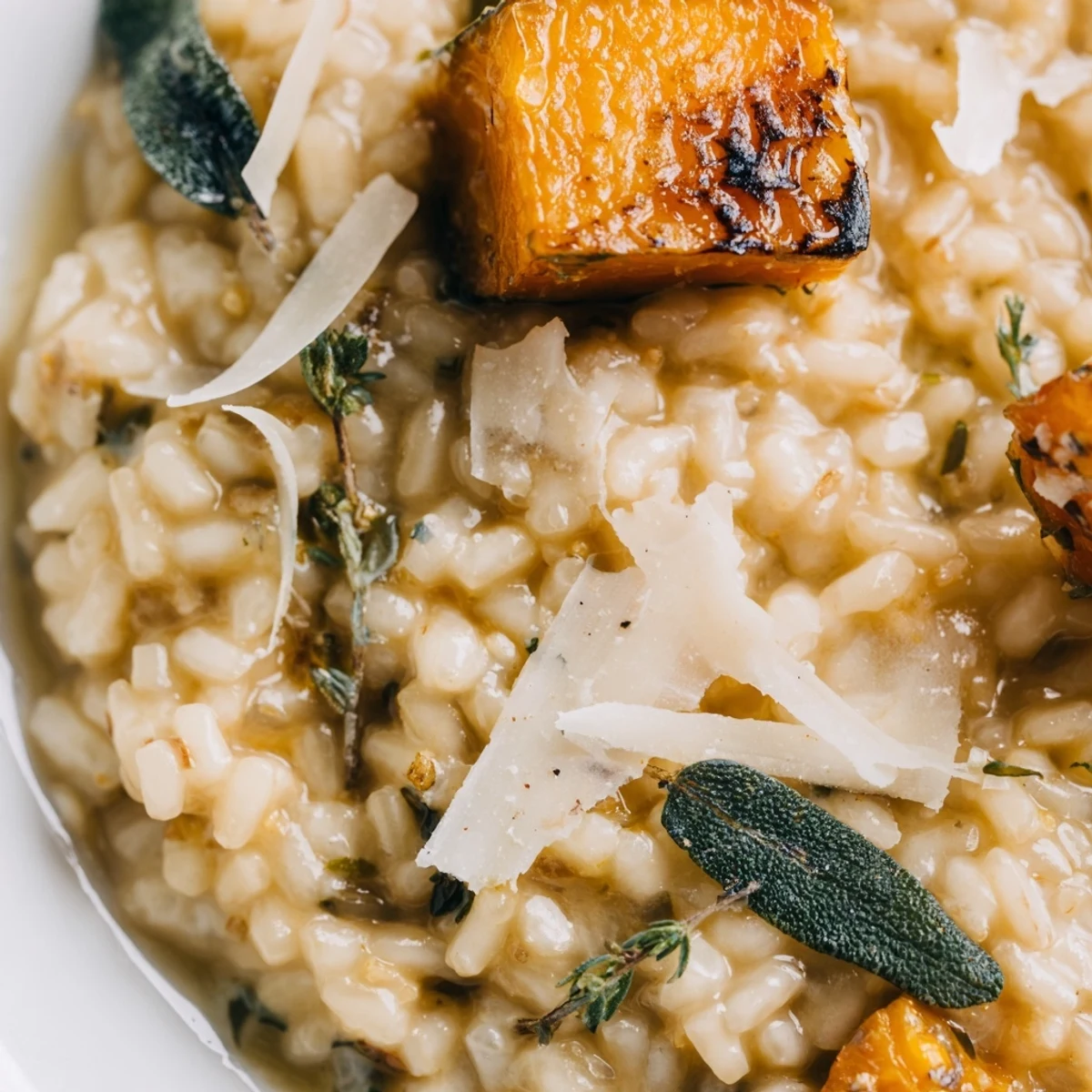
Save There is something deeply satisfying about a dish that asks you to slow down and pay attention. Every bowl feels like a small reward for patience.
Recipe FAQs
- → What type of winter squash works best?
-
Butternut squash is ideal for its sweetness and smooth texture when roasted. Acorn, kabocha, or pumpkin also work beautifully. Choose a squash that becomes tender and creamy when baked.
- → Can I make this dairy-free?
-
Substitute butter with olive oil and use nutritional yeast or a vegan Parmesan alternative. The texture remains creamy from the rice starch, though the flavor profile will shift slightly.
- → Why is the stock added gradually?
-
Adding warm stock ladle by ladle allows the rice to release starch slowly, creating that characteristic creamy consistency. This gradual absorption is essential for proper risotto texture.
- → Can I use other rice varieties?
-
Arborio rice is traditional due to its high starch content. Carnaroli or Vialone Nano are excellent alternatives. Regular long-grain rice won't achieve the same creamy result.
- → How do I know when the risotto is done?
-
The rice should be tender but still have a slight bite in the center—al dente. The texture should be flowing and creamy, not stiff or dry. Total cooking time is typically 18-20 minutes.
- → Can I add other vegetables?
-
Yes! Baby spinach folds in beautifully at the end. Sautéed mushrooms, roasted Brussels sprouts, or caramelized leeks all complement the squash and sage flavors.