
 Save
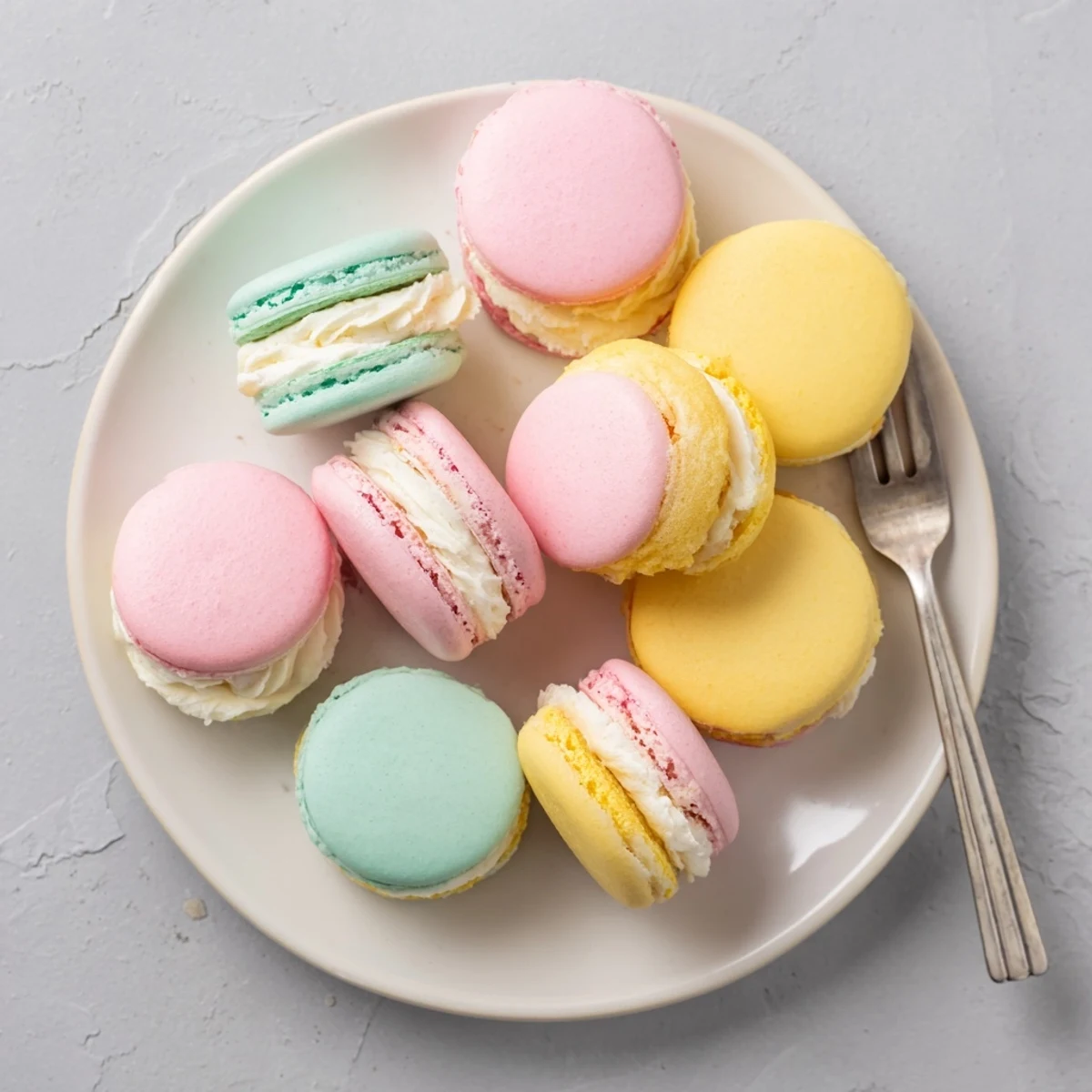
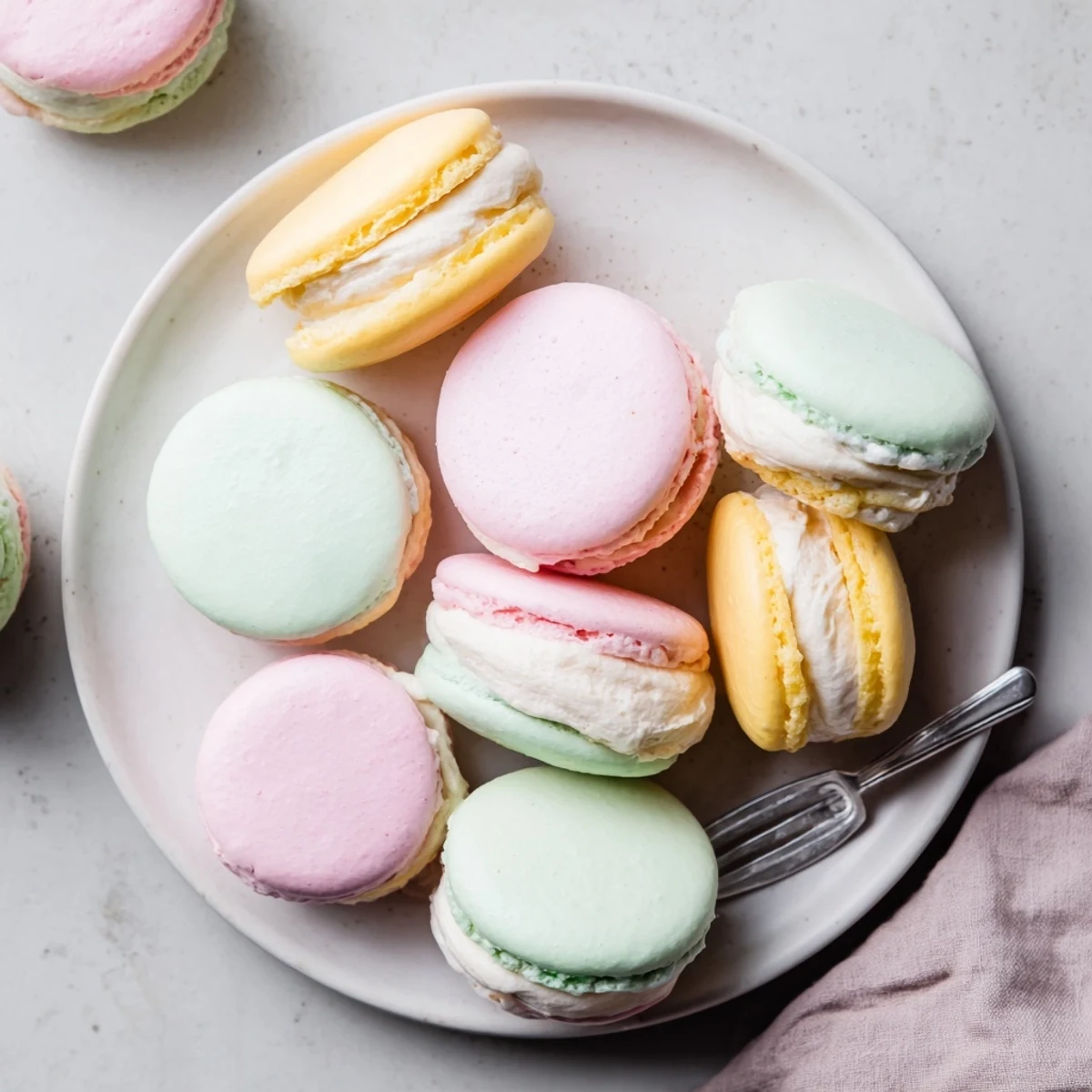
Save These delicate French confections feature crisp almond meringue shells with irresistibly chewy interiors, filled with creamy buttercream or your choice of ganache. The secret lies in properly aged egg whites, precise macaronage technique, and allowing the piped shells to develop a skin before baking. While the process requires patience and attention to detail, the results are incredibly rewarding—perfect for special occasions or elevating everyday moments.
The first time I attempted French macarons, my kitchen looked like a crime scene of pink dust and shattered dreams. I had obsessively watched tutorials, measured everything to the gram, and still ended up with flat, cracked cookies that tasted like sweet disappointment. Three batches later, when I finally pulled a tray from the oven and saw those precious little feet, I actually did a happy dance right there in my apron.
Last Christmas, I made an entire rainbow tower of macarons for my sisters birthday. I stayed up until 2 AM piping tiny shells and assembling delicate flavor combinations, my hands covered in food coloring and my kitchen smelling of vanilla and almond. When she walked in and saw that colorful tower, her jaw dropped and she whispered that it looked like something from a Parisian bakery window.
Ingredients
- Fine almond flour: Sift this thoroughly because any lumps will ruin your smooth shells
- Powdered sugar: The cornstarch in confectioners sugar helps stabilize the meringue
- Aged egg whites: Let them sit at room temperature overnight for better volume and stability
- Granulated sugar: Add this gradually to the egg whites for maximum gloss and structure
- Cream of tartar: This optional ingredient stabilizes the meringue, especially helpful for beginners
- Unsalted butter: Room temperature butter whips into the silkiest buttercream filling
Instructions
- Prepare your station:
- Line your baking sheets with parchment paper or silicone mats and fit a piping bag with a round tip about 1 cm in diameter.
- Sift the dry ingredients:
- Combine almond flour and powdered sugar, sifting them together into a large bowl and discarding any coarse bits that refuse to pass through.
- Whip the meringue:
- Beat egg whites until foamy, add cream of tartar if using, then gradually incorporate granulated sugar until you have stiff glossy peaks that hold their shape.
- Master the macaronage:
- Gently fold the dry mixture into the meringue in thirds, pressing the batter against the bowl until it flows in thick ribbons and can form a figure 8 without breaking.
- Add your color:
- If using gel food coloring, fold it in gently until evenly distributed, being careful not to overmix the batter.
- Pipe perfect circles:
- Transfer batter to your piping bag and hold it perpendicular to the baking sheet, piping 3 to 4 cm circles spaced about 3 cm apart.
- Release the air:
- Firmly tap the baking sheets on the counter several times and use a toothpick to pop any visible bubbles for smooth tops.
- Let them rest:
- Leave the piped shells uncovered at room temperature for 30 to 60 minutes until a skin forms and they do not stick to your finger when lightly touched.
- Bake to perfection:
- Preheat your oven to 150°C (300°F) and bake one tray at a time for 12 to 15 minutes, rotating halfway, until shells have formed feet and lift cleanly from the parchment.
- Cool completely:
- Let the shells cool completely on the baking sheets before attempting to remove them or they may stick and break.
- Make the buttercream:
- Beat softened butter until creamy, then add powdered sugar, vanilla, salt, and 1 tablespoon milk, whipping until fluffy and adding more milk as needed for pipeable consistency.
- Assemble and mature:
- Pair similar sized shells, pipe a dollop of buttercream onto half of them, sandwich with the remaining shells, then refrigerate for 24 hours for the best texture.
 Save
Save My friend Sarah called me once, completely devastated after her third failed batch of macarons. I walked her through the process over video chat, and when she finally got those perfect little feet, she sent me the most jubilant selfie with her tray of perfectly formed shells. Now she is the one everyone asks to make the fancy desserts for dinner parties.
Mastering The Macaronage
The technique of folding the batter, called macaronage, is where most people fail. I have learned that undermixed batter creates lumpy shells while overmixed batter spreads into flat pancakes. Watch for that moment when the batter flows like lava and you can draw a figure 8 that holds its shape briefly before melting back into itself.
Understanding Your Oven
Every oven bakes differently, and macarons are notoriously sensitive to temperature fluctuations. I keep an oven thermometer inside mine and have learned that my sweet spot is actually 145°C rather than the recommended 150°C. Start checking your first batch at 12 minutes because an extra minute can mean the difference between perfectly chewy and disappointingly dry.
Flavor Beyond The Basics
Once you have mastered the classic vanilla shell, a world of flavors opens up to you. Infuse your buttercream with raspberry puree for a stunning contrast, fold finely ground espresso into the chocolate shells, or add lemon zest and a drop of lemon oil for something bright and refreshing.
- Always use gel food coloring because liquid will throw off your batter consistency
- Let your assembled macarons mature in the refrigerator for at least 24 hours
- Bring them to room temperature about 30 minutes before serving for the ideal texture
 Save
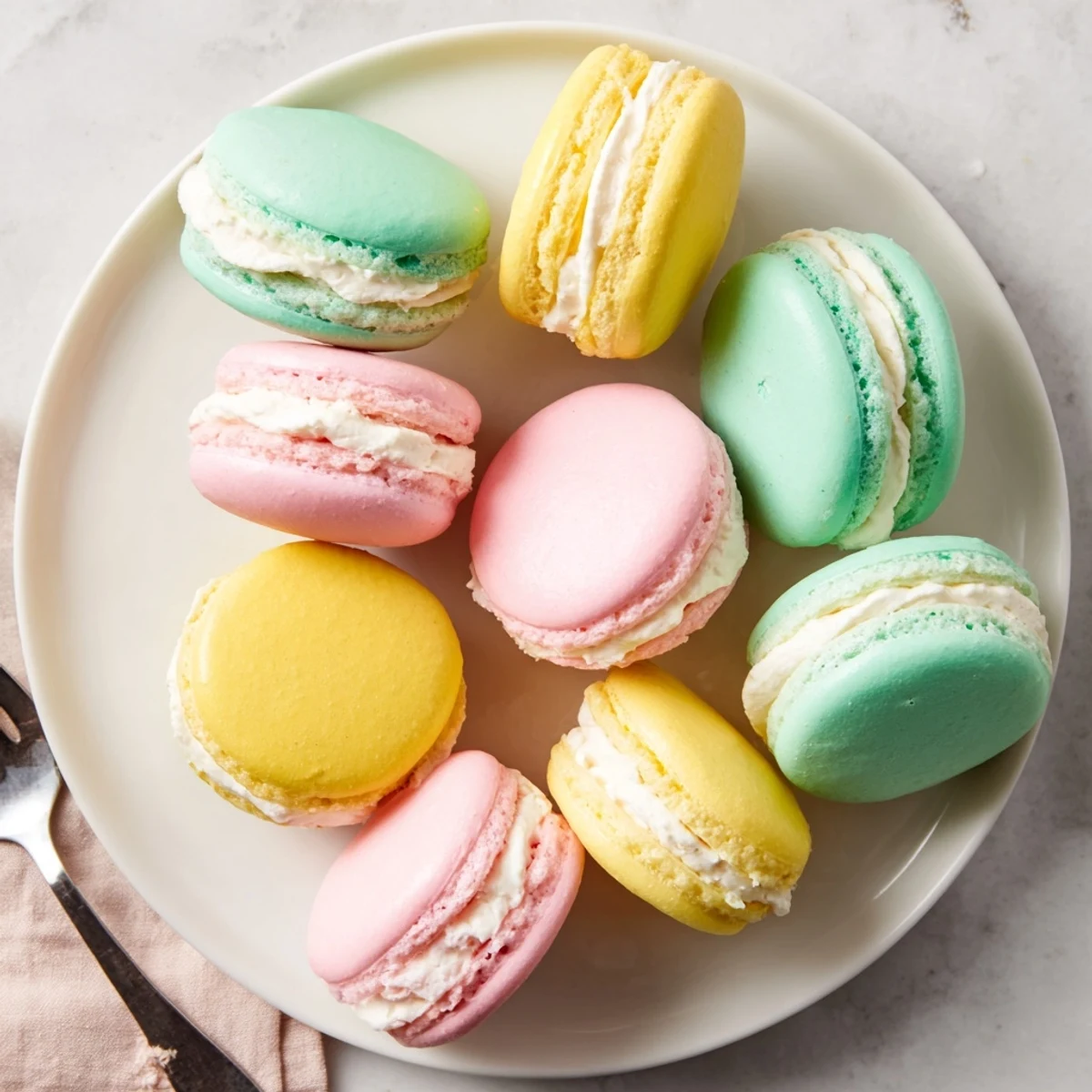
Save There is something deeply satisfying about serving homemade macarons to friends and watching their eyes light up with that perfect first bite. These delicate little cookies have a way of making any moment feel like a special occasion worth celebrating.
Recipe FAQs
- → Why do my macarons crack during baking?
-
Cracking typically occurs when shells haven't developed a proper skin before baking. Let them rest for 30-60 minutes until they're dry to the touch. Also avoid opening the oven door during baking, as temperature fluctuations can cause cracks.
- → Can I make macarons without a stand mixer?
-
Yes, a hand mixer works perfectly for beating the meringue. It may take slightly longer to achieve stiff peaks, but the results will be just as good. Ensure your bowl and whisk are completely clean and grease-free.
- → How should I store finished macarons?
-
Refrigerate in an airtight container for up to 5 days. For optimal texture, let them mature for 24 hours before serving. Bring to room temperature for 15-20 minutes before eating for the best chewy-crisp consistency.
- → What's the purpose of aging egg whites?
-
Aged egg whites (left at room temperature for 24 hours) lose some moisture, leading to more stable meringue with better volume. This helps prevent hollow shells and ensures proper feet formation during baking.
- → Can I make these on a humid day?
-
Humidity affects macarons significantly. The shells may not form a proper skin, leading to sticking or cracking. Choose a dry day if possible, or run a dehumidifier and air conditioning while preparing and resting the batter.
- → Why do my macarons have hollow shells?
-
Hollow shells result from over-mixing the batter or oven temperature that's too high. Monitor your macaronage carefully—the batter should flow slowly in thick ribbons. An oven thermometer ensures accurate temperature.