
 Save
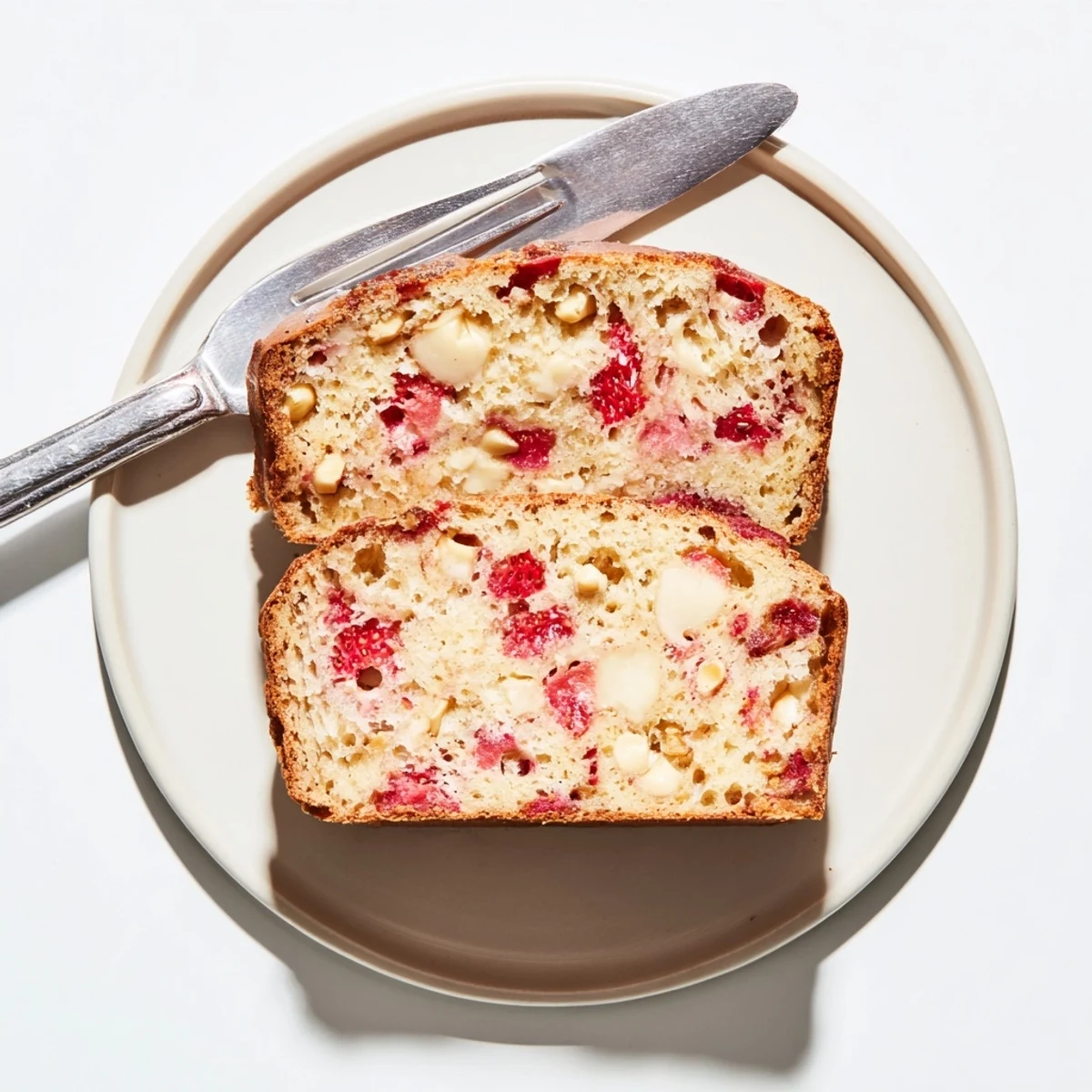
Save This unique sweet loaf combines the tangy depth of fermented sourdough with juicy fresh strawberries and creamy white chocolate chips. The overnight fermentation develops complex flavor while creating an incredibly tender crumb. Perfect for special brunches, afternoon tea, or as an elegant dessert when served warm with clotted cream.
The batter requires a 3-4 hour rest or overnight refrigeration, allowing the sourdough starter to work its magic. The result is a golden-brown loaf with a moist interior, bursts of fruit, and pockets of melting chocolate throughout.
My roommate walked into the kitchen at midnight and caught me hovering over the mixing bowl, breathing in the fermented smell of active starter. She asked what I was making, and I honestly didnt know yet—just that those strawberries on the counter needed to become something, and my starter had been fed and was bubbling aggressively. The combination happened by accident, but sometimes the best kitchen discoveries start with insomnia and surplus produce.
I first brought this to a brunch where the host had requested something store-bought because her oven was broken. When I walked in with this still-warm loaf, the entire room went quiet. By the time I left, three different people had written down the recipe, and someone actually offered to trade their broken oven for my starter culture. It became my go-to for potlucks after that—people assume it took hours of complicated technique, but the starter does all the heavy lifting.
Ingredients
- 120 g active sourdough starter: Must be fed within 8 hours and bubbling vigorously to provide the right tang and lift
- 240 ml whole milk, lukewarm: Cold milk can shock your starter and slow fermentation, so aim for bath temperature
- 2 large eggs: Room temperature eggs incorporate better and help create a tender crumb structure
- 80 g unsalted butter, melted: Let it cool slightly so it doesnt scramble your eggs when you whisk them together
- 1 tsp vanilla extract: Pure extract matters here—imitation vanilla can taste sharp after baking
- 400 g all-purpose flour: Bread flour would make it too tough, while cake flour lacks the structure to hold the fruit
- 100 g granulated sugar: This amount hits the sweet spot without overpowering the strawberries natural sugars
- 1 tsp salt: Essential for balancing both the sour notes and the sweetness
- 1 1/2 tsp baking powder: Works with the baking soda to give the loaf its rise since we are not doing a full fermentation
- 1/2 tsp baking soda: Neutralizes some of the starter acidity while helping the bread bake up tall
- 200 g fresh strawberries, hulled and diced: Cut them into uniform pieces so they distribute evenly throughout the batter
- 150 g white chocolate chips: The chips hold their shape better than chopped white chocolate, which can disappear into the dough
Instructions
- Whisk your wet foundation:
- Combine the starter, milk, eggs, melted butter, and vanilla in your largest bowl until the mixture looks homogeneous and creamy
- Mix the dry team:
- In a separate bowl, whisk together the flour, sugar, salt, baking powder, and baking soda until no lumps remain
- Gentle folding matters:
- Pour the dry ingredients over the wet and stir with a spatula just until you no longer see dry streaks—some small lumps are perfectly fine
- Add the treasures:
- Fold in the strawberries and white chocolate chips, being careful not to mash the fruit as you distribute them
- The waiting game:
- Cover your bowl and let it rest at room temperature for 3 to 4 hours, or refrigerate overnight if you want to bake it fresh in the morning
- Prep your vessel:
- Heat your oven to 180°C and grease a 9x5-inch loaf pan thoroughly, then line it with parchment paper for insurance
- Ready for the oven:
- Stir the rested batter gently once, pour it into your prepared pan, and smooth the top with an offset spatula
- Bake until golden:
- Bake for 50 to 60 minutes until the top is deeply golden and a toothpick comes out clean from the center
- Patience pays off:
- Let the loaf cool in the pan for 15 minutes before turning it out onto a wire rack to finish cooling completely
 Save
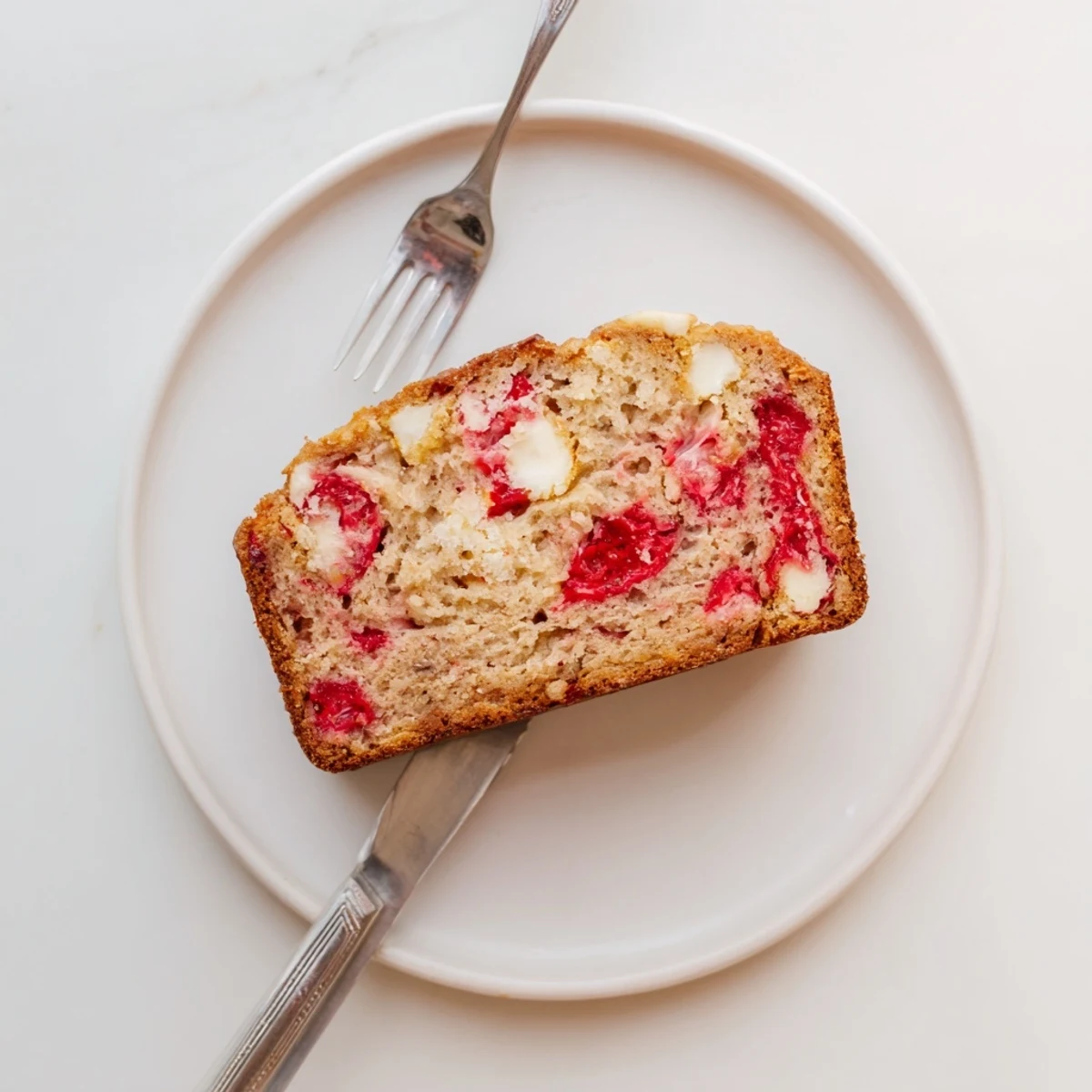
Save My sister-in-law requested this for her birthday instead of cake, and I was honestly skeptical that bread could feel like a celebration. When she took her first bite and closed her eyes, I got it—sometimes the most memorable desserts are the ones that blur the line between nourishment and indulgence. Now it appears at every family gathering, and nobody complains about the lack of candles.
Understanding the Sourdough Element
The sourdough starter in this recipe does more than add complexity—it also breaks down some of the gluten and makes the bread easier to digest. Unlike traditional quick breads that can feel heavy, this version has a lighter crumb and a subtle depth that keeps people coming back for slice after slice, trying to figure out exactly what makes it taste so special.
Fruit Selection Wisdom
Choose strawberries that are fragrant and slightly under-ripe rather than mushy or over-ripe. Overripe fruit will release too much water during baking, creating gummy pockets around the pieces, while firmer berries hold their shape better and contribute just the right amount of moisture to the crumb.
Storage and Serving Suggestions
This bread actually improves on the second day as the flavors meld and the moisture redistributes. Wrap it tightly in plastic wrap once completely cooled and it will keep at room temperature for three days or in the refrigerator for up to a week. For the best experience, warm individual slices in the toaster for 30 seconds before serving.
- Try a thin layer of salted butter on warm slices
- A dollop of crème fraîche adds tangy richness
- Serve alongside afternoon tea instead of biscuits
 Save
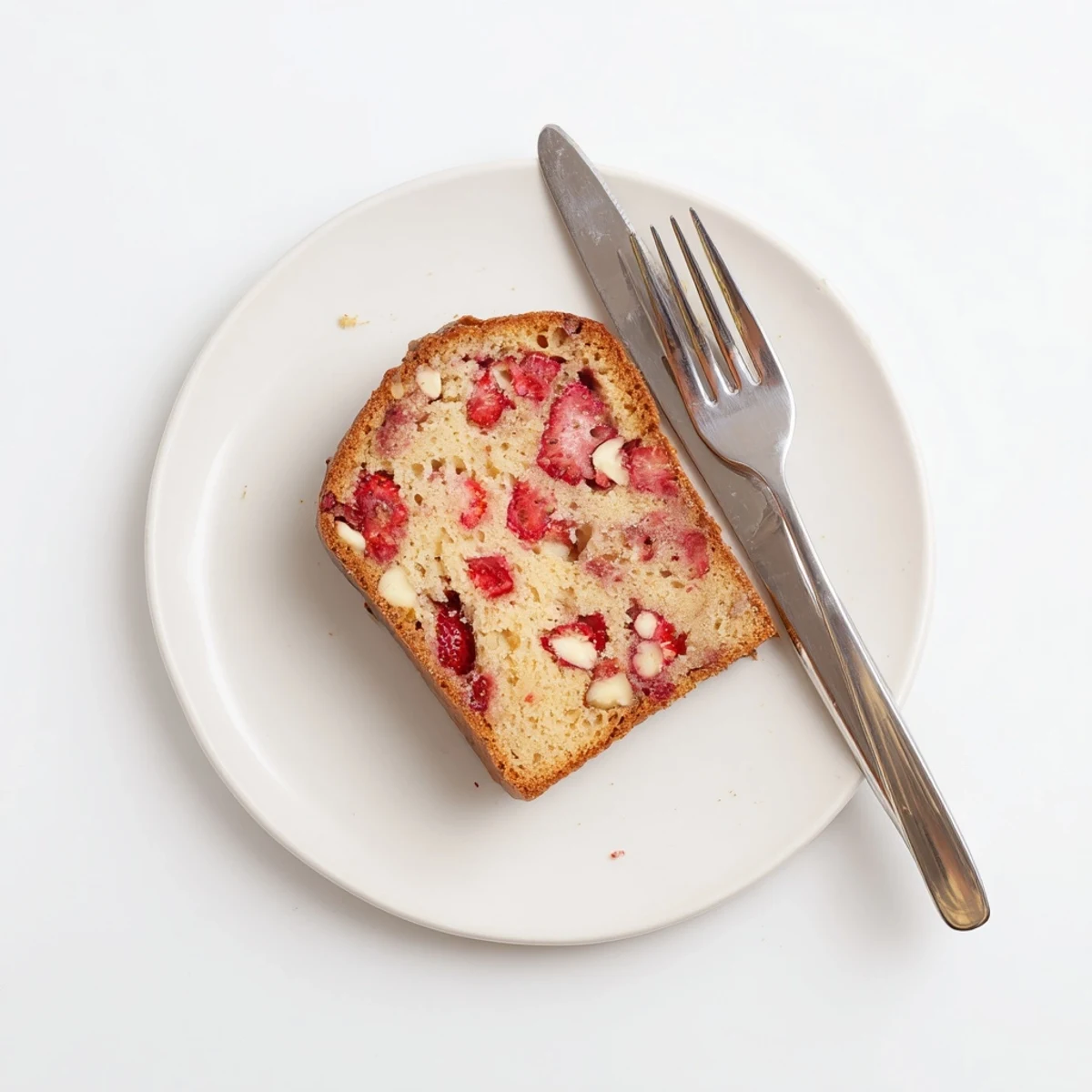
Save This recipe started as a way to use up excess starter, but it has become one of those staples that reminds me why I fell in love with baking in the first place. Hope it finds a permanent place in your kitchen rotation too.
Recipe FAQs
- → Can I use frozen strawberries instead of fresh?
-
Yes, frozen strawberries work well. Add them directly from frozen without thawing to prevent excess moisture from affecting the batter consistency.
- → How long should I let the batter ferment?
-
For optimal flavor development, let the batter rest at room temperature for 3-4 hours or refrigerate overnight. This allows the sourdough to ferment properly.
- → Can I substitute the sourdough starter?
-
Sourdough starter is essential for the characteristic tangy flavor and texture. You cannot substitute with commercial yeast or baking powder alone.
- → How do I store this bread?
-
Wrap tightly in plastic or store in an airtight container at room temperature for up to 3 days. For longer storage, freeze slices for up to 3 months.
- → Can I make this dairy-free?
-
Substitute whole milk with almond or oat milk, use dairy-free butter alternative, and choose dairy-free white chocolate chips.
- → Why did my loaf turn out dense?
-
Overmixing the batter can create a dense texture. Stir gently until just combined, and ensure your sourdough starter is active and bubbly before using.