
 Save
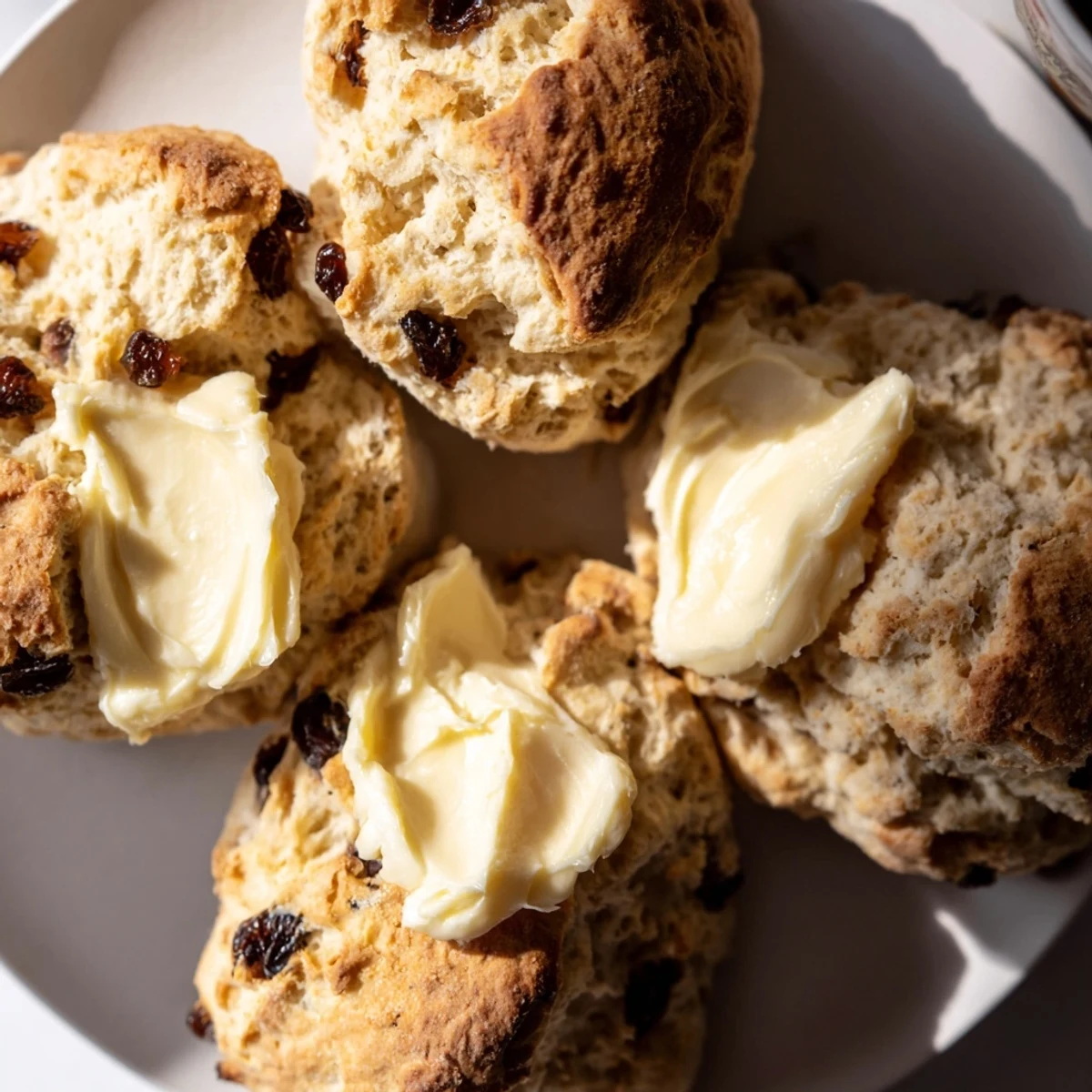
Save These Irish soda bread scones feature a tender crumb and a golden crust, inspired by traditional Irish baked goods. Made with a mix of all-purpose and whole wheat flour, enriched with buttermilk, egg, and melted butter, they create a delicate balance of texture and flavor. Optional currants add a subtle sweetness. Baked until golden, they are best served warm, topped with softened butter to enhance their rustic charm. Ideal for an easy breakfast or cozy snack.
Rainy Saturday mornings were made for baking something that fills the kitchen with warmth. These scones emerged from one such gray morning when I wanted the comfort of Irish soda bread but needed something quicker, smaller, more grab-and-go. The whole wheat adds that rustic character while keeping them tender enough to devour while still steaming from the oven.
My grandmother would have called these a clever cheat, but honestly they have become their own perfect thing. I started making them for weekend guests who needed something substantial before hiking or exploring, and now they are the most requested item. There is something about the combination of currants and that slightly nutty whole wheat note that feels like home.
Ingredients
- 2 cups (250 g) all-purpose flour: Forms the tender base structure that lets the other flavors shine through
- 1/2 cup (60 g) whole wheat flour: Adds that rustic depth and nutty character reminiscent of traditional soda bread
- 1/4 cup (50 g) granulated sugar: Just enough sweetness to balance the tang of buttermilk without becoming dessert
- 1 teaspoon baking soda: Reacts with buttermilk for that characteristic rise and slightly tangy finish
- 1 teaspoon baking powder: Ensures reliable lift and prevents any dense disappointments
- 1/2 teaspoon salt: Enhances all flavors and keeps the crumb balanced
- 1/2 cup (80 g) currants or raisins: Optional but adds those bursts of sweetness throughout
- 1 cup (240 ml) buttermilk, cold: The essential acid that activates baking soda and creates tender crumb
- 1 large egg: Adds richness and helps bind everything together
- 4 tablespoons (60 g) unsalted butter, melted: Incorporates easily and creates that golden finish
- 4 tablespoons (60 g) unsalted butter, softened: For spreading generously while scones are still warm
Instructions
- Get your oven ready:
- Preheat to 400°F (200°C) and line a baking sheet with parchment paper so nothing sticks.
- Whisk the dry foundation:
- In a large bowl, combine both flours, sugar, baking soda, baking powder, and salt until thoroughly blended.
- Add the fruit if using:
- Toss in currants or raisins and give everything a quick stir to distribute evenly.
- Prepare the wet mixture:
- In a separate bowl, whisk together cold buttermilk, egg, and melted butter until smooth.
- Bring dough together:
- Pour wet ingredients into dry and stir with a fork just until combined.
- Shape and cut:
- Gently pat dough into a 1-inch thick circle on floured surface and cut with a 2.5-inch round cutter.
- Bake to golden:
- Bake 18-20 minutes until golden brown and a toothpick comes out clean.
- Serve warm:
- Transfer to wire rack and enjoy split with plenty of softened butter.
 Save
Save These became a Sunday morning tradition after my friend Sarah showed up with nothing but hunger and stayed for hours. There is something about breaking warm bread together that slows time down just enough.
Getting The Rise Right
The magic happens when buttermilk meets baking soda, creating immediate bubbles that lift the dough. This is why working quickly but gently matters so much. The reaction is already happening in your bowl.
Make Ahead Magic
You can freeze unbaked scones on the baking sheet, then transfer to a bag once solid. Bake from frozen, adding a few minutes to the time. Fresh baked taste without the morning effort.
Variations That Work
Sometimes I swap dried cranberries for currants or add orange zest with the dry ingredients. Chopped dried apricots bring a lovely sweetness that pairs beautifully with the slight tang.
- Brush tops with extra buttermilk before baking for extra golden color
- Brush with melted butter immediately after they come out of the oven
- Sprinkle coarse sugar on top before baking for a sweet crunchy crust
 Save
Save Warm scones, melting butter, and someone to share them with. That is all you need.
Recipe FAQs
- → What makes these scones tender and soft?
-
The combination of buttermilk and melted butter creates a moist dough that results in a tender crumb and soft texture.
- → Can I substitute currants with other dried fruits?
-
Yes, dried cranberries or chopped dried apricots work well as alternatives, adding different flavor notes.
- → How do I get a golden crust on the scones?
-
Baking at 400°F (200°C) until the scones turn golden brown ensures a crisp, flavorful crust.
- → Is it better to serve scones warm or cold?
-
Serving warm enhances their soft texture and allows the butter to melt beautifully over the surface.
- → Can these scones be frozen and reheated?
-
Yes, they freeze well and can be gently reheated to retain freshness and texture.