
 Save
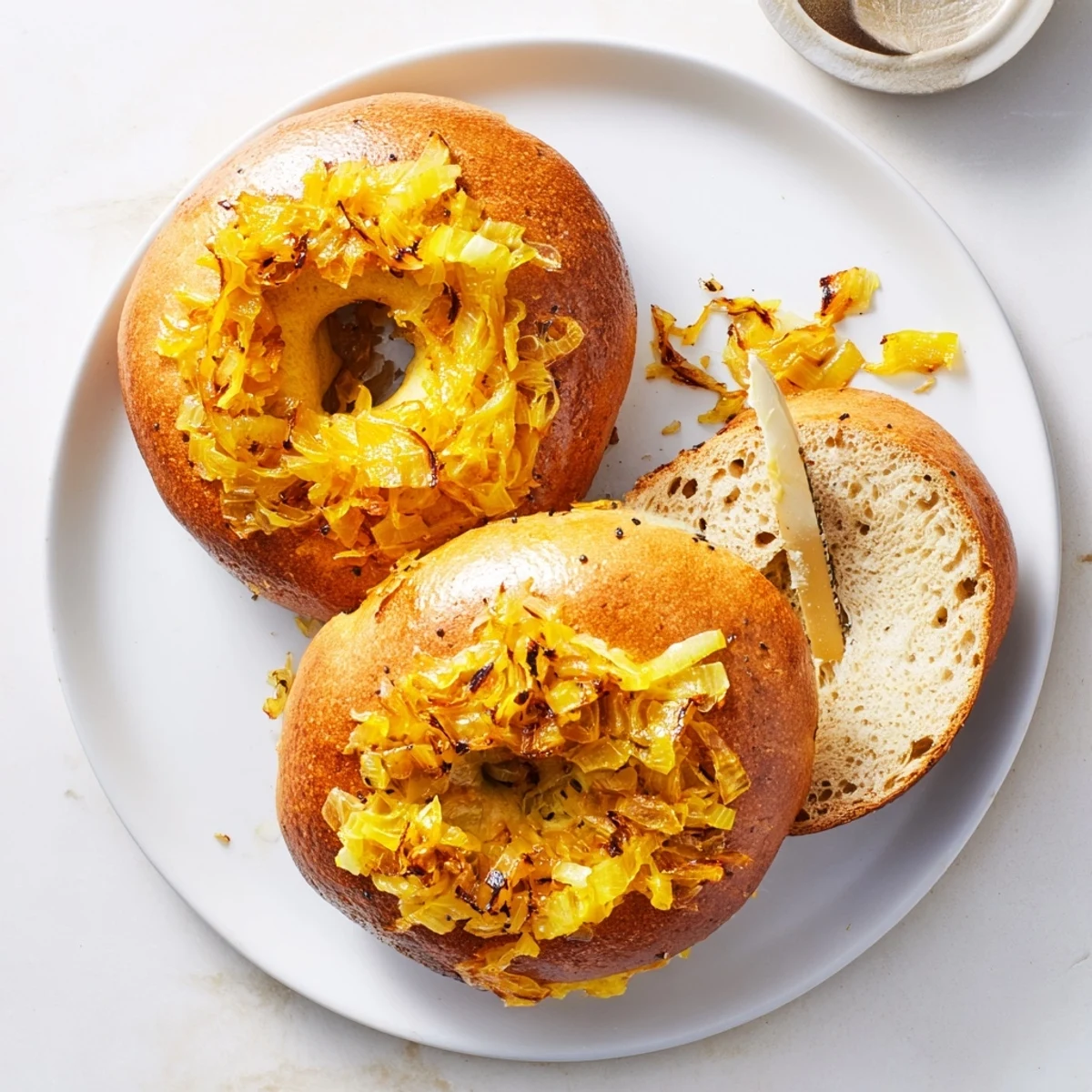
Save These chewy bagels combine the tangy complexity of naturally fermented sourdough with the rich sweetness of caramelized onions. The overnight fermentation develops deep flavor while creating that signature bagel texture—crisp outside, dense and tender inside. Boiling before baking ensures the authentic chewy crust bagel lovers crave.
The process requires planning ahead with an overnight cold proof, but the hands-on time is manageable. The result rivals any bakery quality, with the sourdough adding subtle tang that perfectly balances the savory-sweet onion topping.
My tiny apartment kitchen filled with the unmistakable scent of onions slowly turning into something sweet and golden, while my sourdough starter bubbled away on the counter. Id been attempting bakery style bagels for months, never quite achieving that chewy, shiny exterior I craved. Something about combining the tang of natural fermentation with savory onions felt right, like the kind of breakfast that makes you sit down and actually pay attention to what youre eating.
My roommate wandered in around hour three of onion caramelization, sniffing the air dramatically and asking whatrestaurant Id started in my kitchen. By the time these emerged from the oven, wed already argued over who got the slightly burned, extra crispy onion bits that had fallen onto the baking sheet.
Ingredients
- Active sourdough starter: The foundation of everythinguse it at peak activity when its bubbly and doubled in size for the best rise
- Bread flour: Higher protein content than all purpose gives bagels their signature chew and structure
- Whole wheat flour: Just enough adds nutty depth without making the bagels too dense or heavy
- Honey: Feeds the yeast and contributes subtle sweetness that balances the savory onions perfectly
- Fine sea salt: Coarser salt can create tears in the gluten network during kneading
- Yellow onions: Cook them low and slowpatience transforms sharp raw onions into something deeply savory and sweet
- Olive oil: Helps the onions caramelize evenly without burning
- Barley malt syrup: The secret to authentic bagel shine and flavor, though honey works in a pinch
Instructions
- Caramelize the onions:
- Heat olive oil in a skillet over medium low heat, add sliced onions and salt, then cook slowly for 20 to 25 minutes until deeply golden and fragrant, stirring occasionally to prevent burning. Set aside to cool completelythe flavor concentrates as they rest.
- Mix the dough:
- Whisk starter, warm water, and honey until dissolved, then add both flours and salt, mixing until a rough dough forms. The dough should feel slightly sticky but manageable.
- Knead to develop gluten:
- Turn onto a floured surface and knead for 8 to 10 minutes until smooth and elastic, performing the windowpane test to check development. Proper kneading is what creates that satisfying chewy bagel texture.
- Bulk ferment:
- Place in an oiled bowl, cover, and let rest at room temperature for 4 to 6 hours until doubled. The slow fermentation develops complex flavor that commercial yeast cant replicate.
- Shape the bagels:
- Divide into 8 equal pieces, roll each into a tight ball, then poke a hole through the center with your finger and gently stretch to form a 2 inch ring. Keep the thickness even for uniform baking.
- Cold proof overnight:
- Place on a parchment lined baking sheet, cover loosely, and proof at room temperature for 1 hour before refrigerating overnight for 8 to 12 hours. This cold rest firms the dough and deepens flavor.
- Prepare the boiling liquid:
- Bring water and barley malt syrup to a gentle boil, not a rolling boil. The malt syrup gives bagels their characteristic glossy sheen.
- Boil each bagel:
- Remove from fridge and boil for 45 seconds per side, using a slotted spoon to transfer them back to the baking sheet. This step sets the crust and creates that distinct bagel texture.
- Top and bake:
- Press cooled caramelized onions onto the wet bagel tops immediately after boiling, then bake at 220°C for 20 to 25 minutes until deeply golden. The onions should sizzle slightly and smell incredible.
- Cool completely:
- Let rest on a wire rack for at least 30 minutes before slicingwarm bagels steam and become gummy inside.
 Save
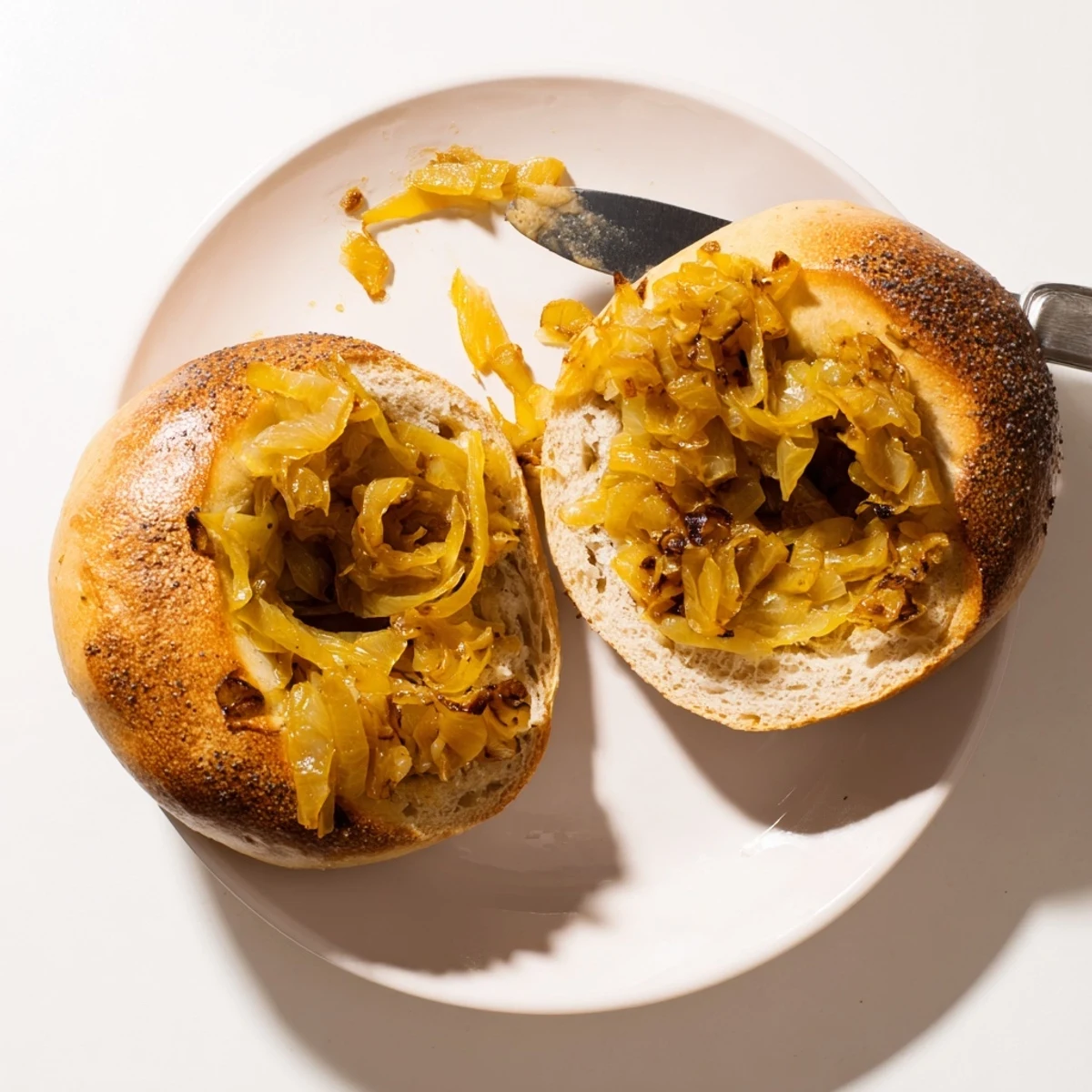
Save Sunday morning bagel making became a ritual so reliable that friends started showing up at my door around 11 AM, drawn by the promise of fresh baked goods and good coffee.
Timing Your Rise
Sourdough moves at its own pace, especially depending on your kitchen temperature. In winter, I sometimes extend the room temperature proof by an hour. The dough is ready when a gentle finger press leaves a small indentation that slowly springs back.
Shaping Secrets
My early attempts looked like lumpy donuts until I learned to roll the dough balls tightly first, eliminating air pockets. Then when poking the hole, work from the center outward with gentle, even pressure rather than stretching the dough aggressively.
Freezing For Later
These freeze beautifully, which is dangerous because Ill eat three fresh ones then stash the rest for emergency breakfast moments. Slice before freezing and theyll toast up straight from the freezer in about 3 minutes.
- Wrap each bagel individually in plastic wrap before placing in a freezer bag
- Label with the date because they honestly keep so well you might forget when you made them
- Thaw on the counter for 15 minutes before toasting for the best texture
 Save
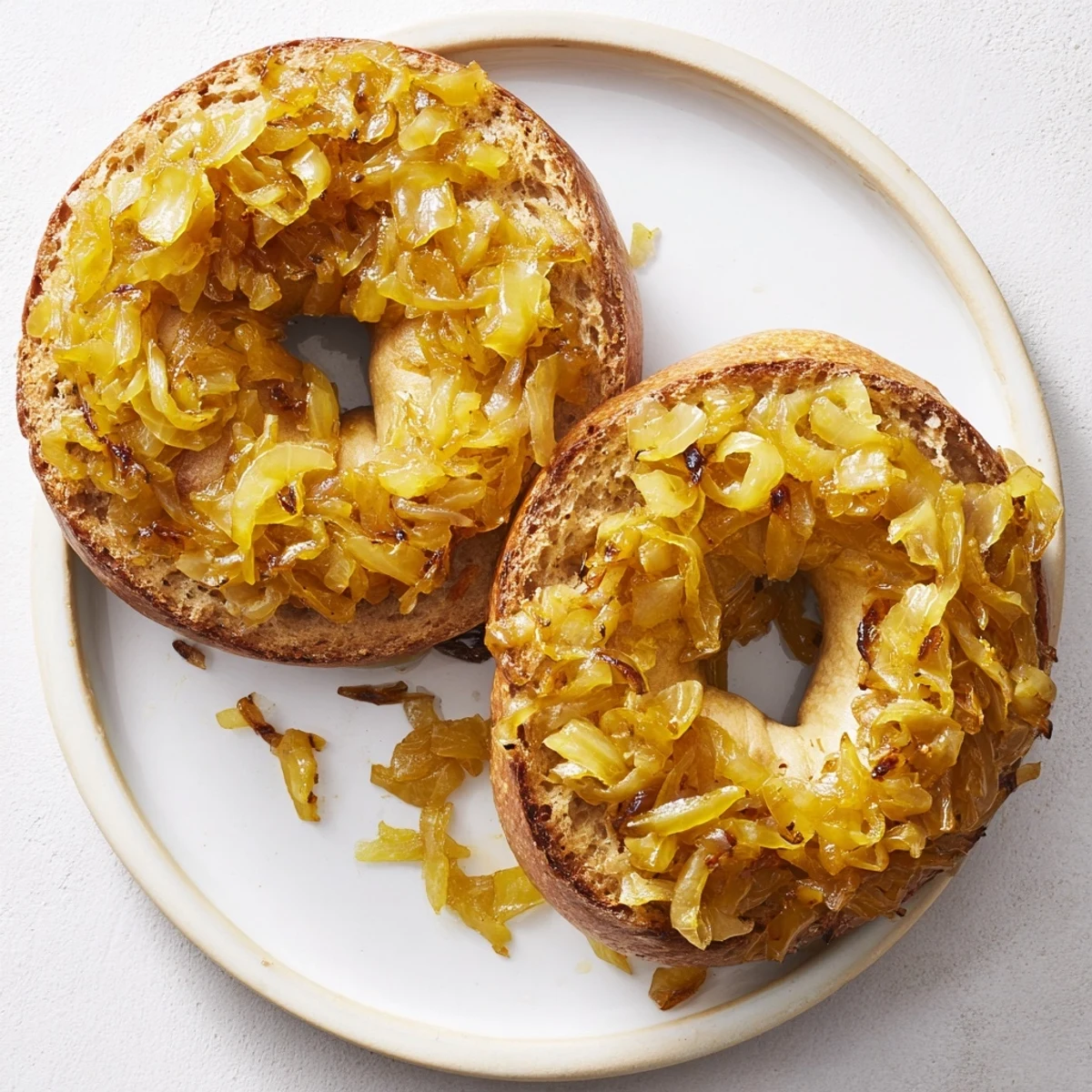
Save Theres something profoundly satisfying about pulling these from the oven, the smell of sourdough and sweet onions filling the whole house.
Recipe FAQs
- → What makes these bagels chewy?
-
The combination of boiling before baking and using high-protein bread flour creates that signature chewy texture. The cold overnight proof also develops gluten structure for authentic bagel density.
- → Can I skip the overnight proof?
-
While you can proof at room temperature for 2-3 hours instead, the overnight cold proof develops superior flavor and texture. The slow fermentation allows enzymes to break down starches, creating better taste and keeping qualities.
- → What if my starter isn't 100% hydration?
-
Adjust the water in the dough accordingly. If your starter is thicker, reduce the added water slightly. The goal is a dough that's tacky but not sticky—smooth and elastic after kneading.
- → Why boil bagels before baking?
-
Boiling gelatinizes the surface starch, creating that distinctive shiny, chewy crust. The barley malt syrup or honey adds subtle sweetness and helps browning. Without this step, you'd have ordinary bread rolls, not bagels.
- → How should I store these bagels?
-
Store at room temperature for 2 days in a paper bag to maintain crust texture. For longer storage, slice and freeze for up to 1 month. Thaw and toast to refresh—they'll taste freshly baked.
- → Can I add other toppings?
-
Absolutely. Everything bagel seasoning, poppy seeds, sesame seeds, or coarse salt all work beautifully. Apply toppings immediately after boiling while the surface is still damp so they adhere properly.