
 Save
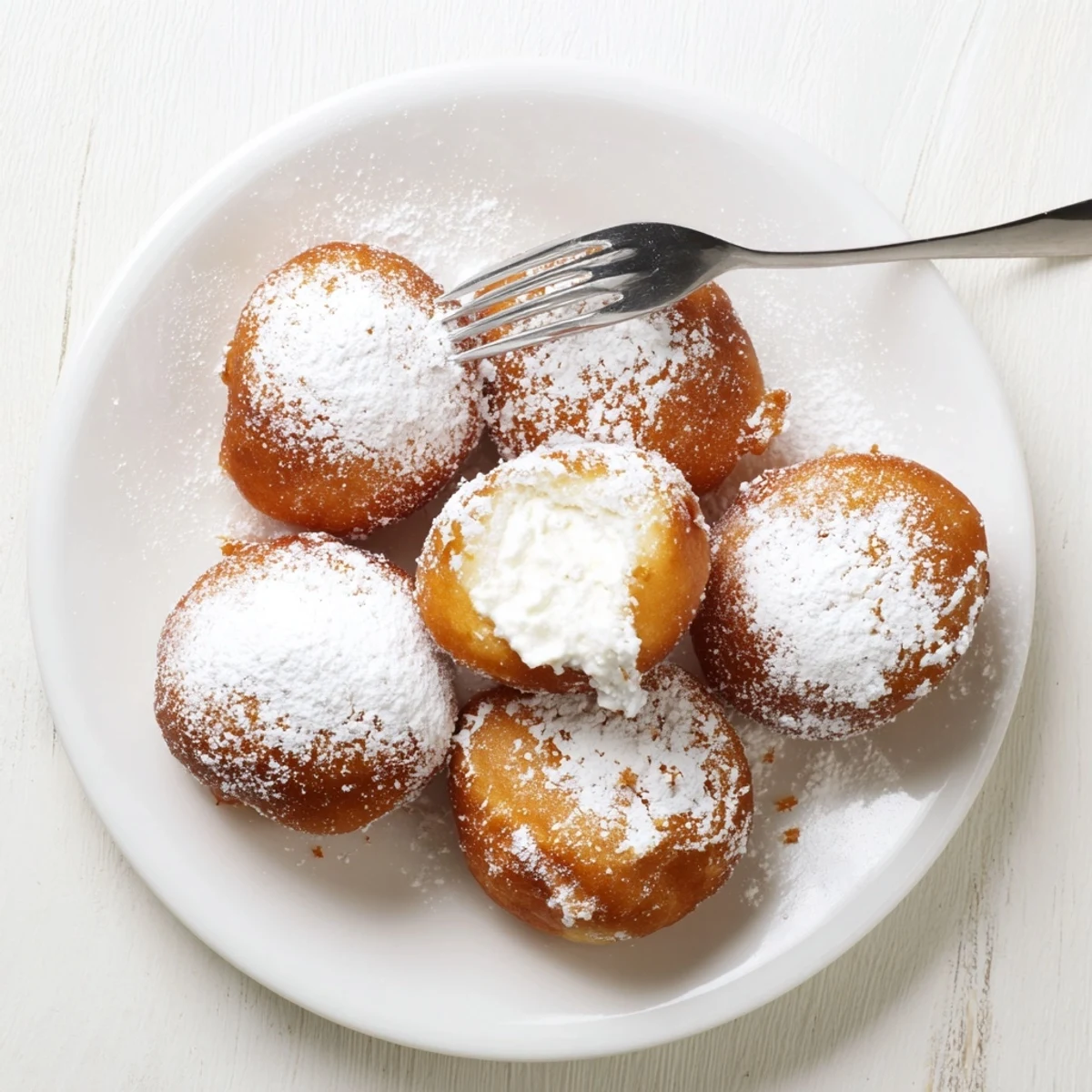
Save These Korean-inspired donuts feature a remarkably soft, pillowy texture achieved through proper yeast dough preparation and careful frying. The sweet milk cream filling combines whipped heavy cream with condensed and powdered milk for that distinctive light yet rich flavor profile Korean bakeries are famous for. The entire process requires patience during rising time and attention to oil temperature for optimal results. The key is achieving golden-brown exteriors while maintaining fluffy interiors that hold the cream beautifully.
The first time I bit into a Korean milk cream donut at a tiny bakery in Flushing, Queens, I actually stopped mid-chew. Outside it was snowing, the kind of wet heavy flakes that make you question every life choice leading you to walk ten blocks for dessert, but inside that warm shop filled with the smell of frying dough and vanilla, everything made sense.
Last winter my sister came over after a terrible week at work, and I made these donuts without telling her what they were. She took one bite and started crying, then laughing, then reached for a second one, and honestly, that is the highest review any recipe has ever received in my apartment.
Ingredients
- 2 1/4 cups all-purpose flour: The foundation of that signature pillowy texture
- 2 tbsp granulated sugar: Just enough to balance the dough without making it sweet
- 1/2 tsp salt: Essential for depth and bringing all flavors forward
- 1 tsp instant yeast: Makes the dough rise reliably every single time
- 2/3 cup warm milk: Creates tenderness and helps activate the yeast
- 2 tbsp unsalted butter: Adds richness and keeps the dough soft
- 1 large egg: Structure and richness combined
- 2 cups vegetable oil: For achieving that perfect golden fry
- 1 cup heavy cream: The base of the dreamy milk cream filling
- 3 tbsp sweetened condensed milk: That signature Korean bakery flavor
- 2 tbsp powdered milk: Intensifies the milky essence beautifully
- 1/2 tsp vanilla extract: Rounds everything out with warmth
- 1/2 cup powdered sugar: For that classic donut shop finish
Instructions
- Mix the dry foundation:
- Combine flour, sugar, salt, and instant yeast in a large bowl until evenly distributed
- Bring the dough together:
- Add warm milk, softened butter, and egg, mixing until a soft shaggy dough forms
- Knead until smooth:
- Work the dough for eight to ten minutes until it becomes elastic and slightly tacky
- Let it rise:
- Place dough in a greased bowl, cover, and rest in a warm spot for one hour until doubled
- Shape the donuts:
- Punch down dough, divide into eight equal pieces, and roll into smooth balls
- Rest again:
- Cover shaped dough and let relax for thirty minutes before frying
- Heat the oil:
- Bring vegetable oil to 340 degrees Fahrenheit in a deep pot
- Fry to golden:
- Cook donuts in batches for two to three minutes per side until deeply golden
- Cool completely:
- Drain on paper towels and let cool entirely before filling
- Make the milk cream:
- Whip cold heavy cream to soft peaks, then fold in condensed milk, powdered milk, and vanilla until stiff
- Fill generously:
- Cut a small slit in each donut and pipe cream inside until plump
- Coat and serve:
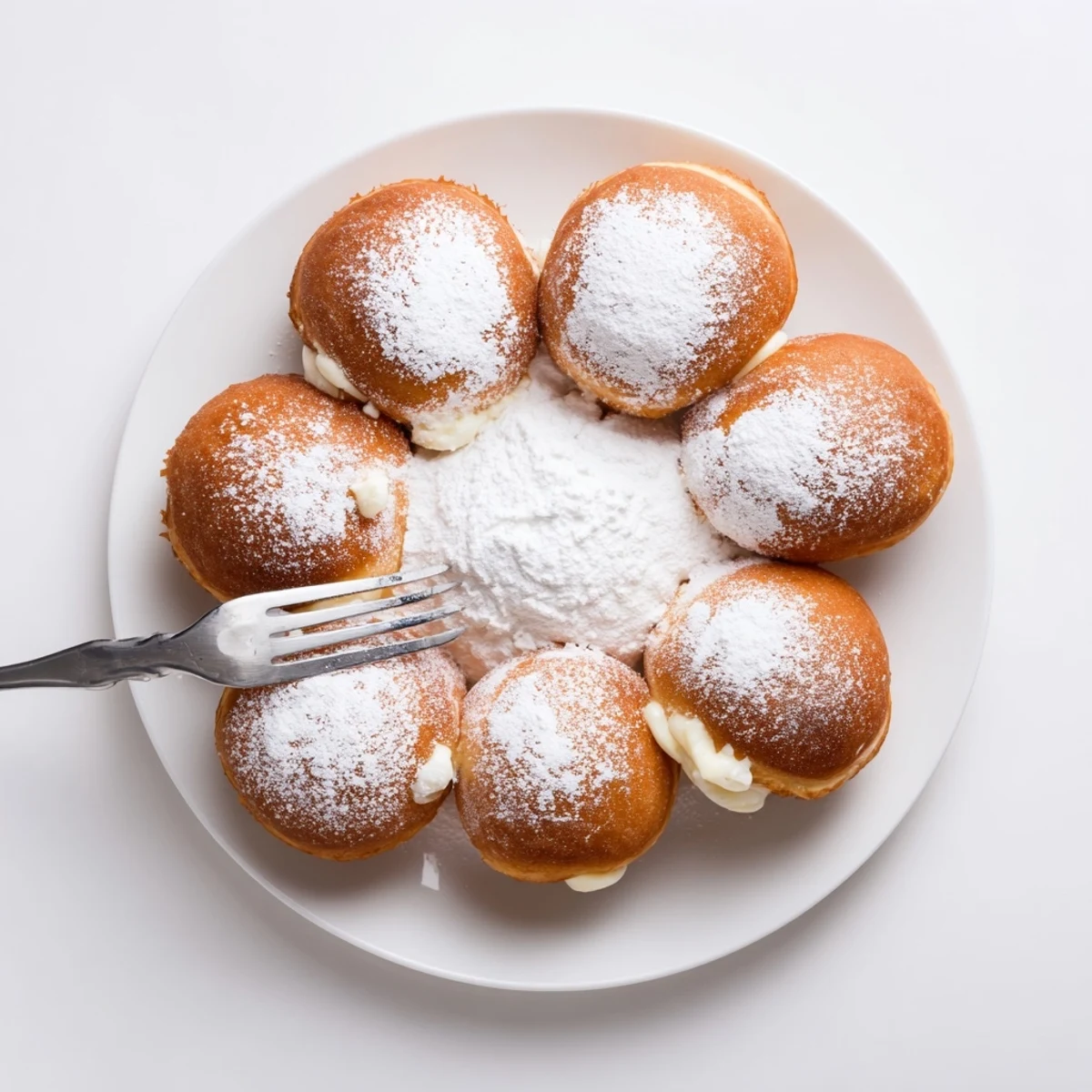
- Roll filled donuts in powdered sugar and enjoy immediately
 Save
Save My neighbor texted me at midnight once asking what smelled so good, and when I brought over a leftover donut she stood in her doorway eating it like it was the most normal thing in the world to be handed dessert in pajamas. We are now much closer friends.
Making The Cream Ahead
You can whip the milk cream filling a few hours before frying and keep it chilled in the refrigerator. This actually helps stabilize the cream and makes piping easier when you are ready to fill the donuts.
Oil Temperature Secrets
Invest in a kitchen thermometer because oil temperature is everything. If you do not have one, drop a small piece of dough into the oil, it should sizzle immediately and rise to the surface within two seconds.
Serving Suggestions
These donuts are practically perfect alongside iced coffee or a glass of cold milk, just like Korean bakeries serve them. The contrast between hot fried dough and cold cream is absolutely magical.
- Dust with extra powdered sugar right before serving
- Eat them while still slightly warm
- Share with someone who needs a bright moment
 Save
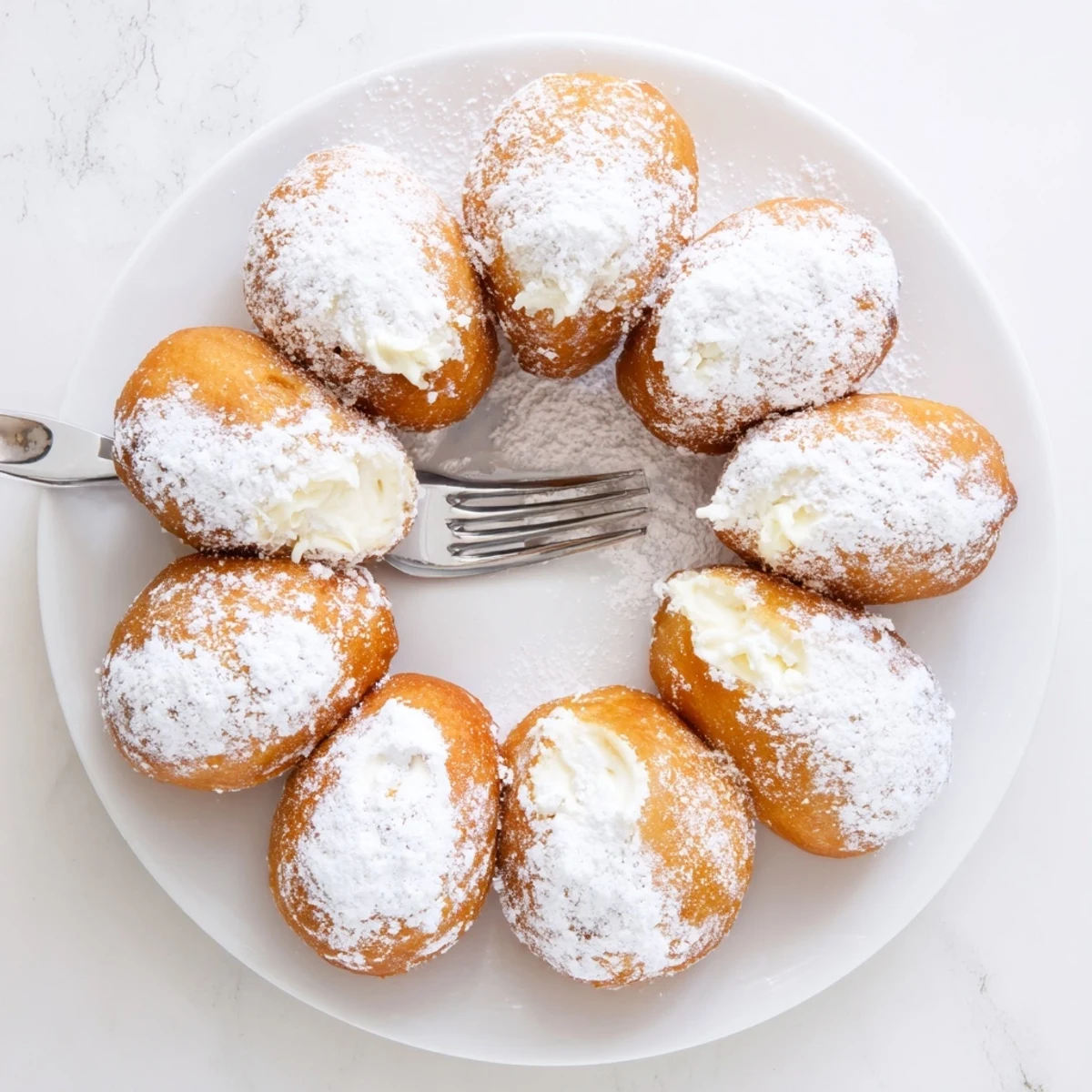
Save There is something about making these that feels like giving yourself a small, sweet hug from the inside out.
Recipe FAQs
- → What makes Korean milk cream donuts different from regular cream-filled donuts?
-
The filling combines heavy cream with both condensed and powdered milk, creating a lighter, milk-forward flavor that's less dense than traditional pastry cream. The dough also develops a distinctively soft, pillowy texture through specific rising techniques.
- → Can I bake these donuts instead of frying?
-
Frying is essential for the authentic texture and flavor profile. Baking produces a different consistency—more cake-like and less fluffy. The hot oil creates the signature exterior while keeping the interior tender and airy.
- → How long will the cream filling stay fresh inside the donuts?
-
These are best enjoyed within 4-6 hours after filling. The cream can eventually make the donut soggy if left too long. If you need to prepare ahead, fry and coat the donuts, then fill them just before serving.
- → What's the ideal oil temperature for frying?
-
Maintain 340°F (170°C) throughout frying. Too hot and the exterior burns before the interior cooks; too cool and the donuts absorb excess oil, becoming greasy. A kitchen thermometer helps ensure consistent results.
- → Can I make the dough ahead of time?
-
Yes, after the first rise, you can refrigerate the dough overnight. Let it come to room temperature for 30 minutes before shaping and proceeding with the second rise. The cold fermentation can actually enhance flavor development.
- → Why did my donuts turn out dense instead of fluffy?
-
This usually happens if the dough doesn't rise properly (yeast activation issues, cold environment) or if it's overworked during shaping. Ensure your yeast is fresh, let dough rise in a warm draft-free spot, and handle pieces gently to preserve air bubbles.