
 Save
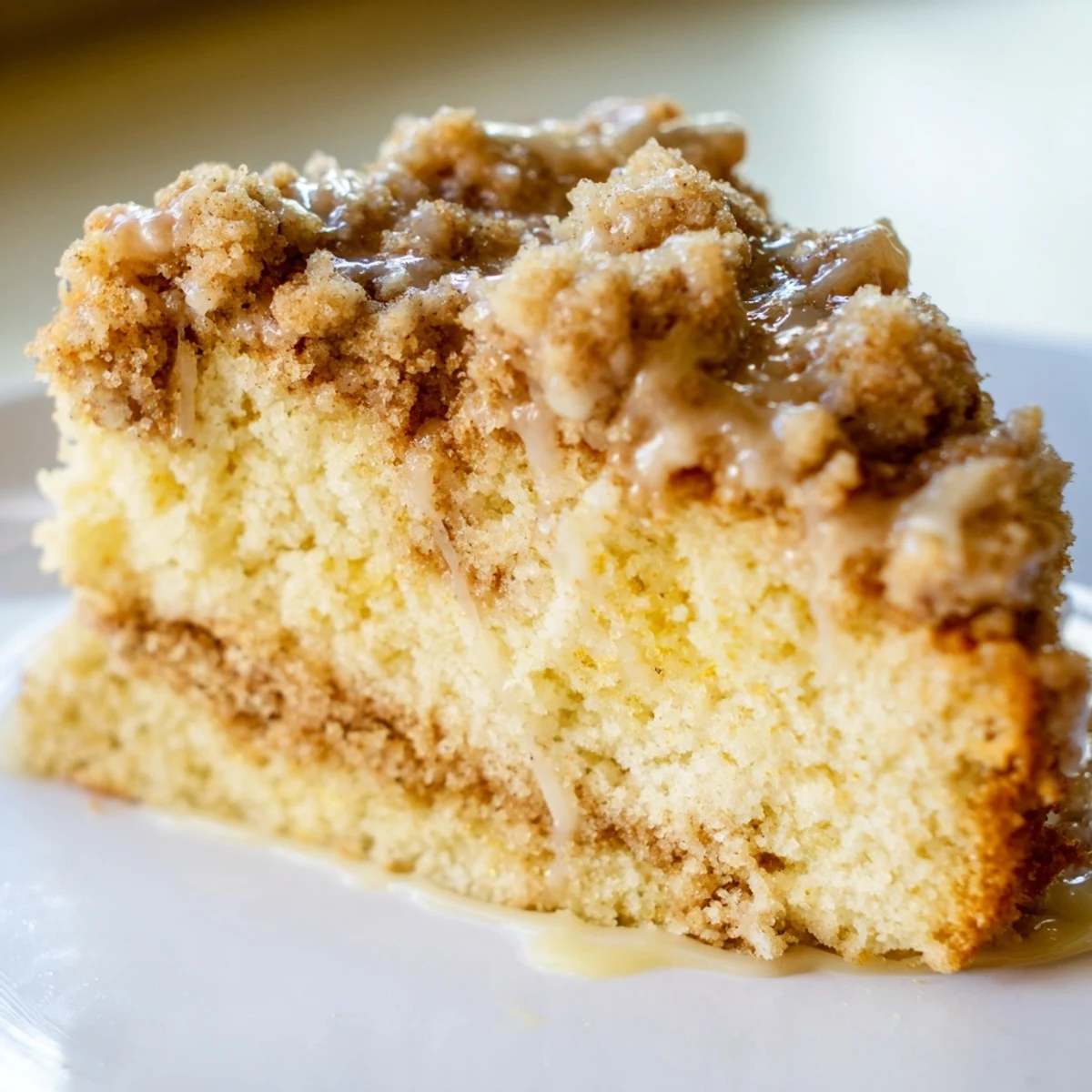
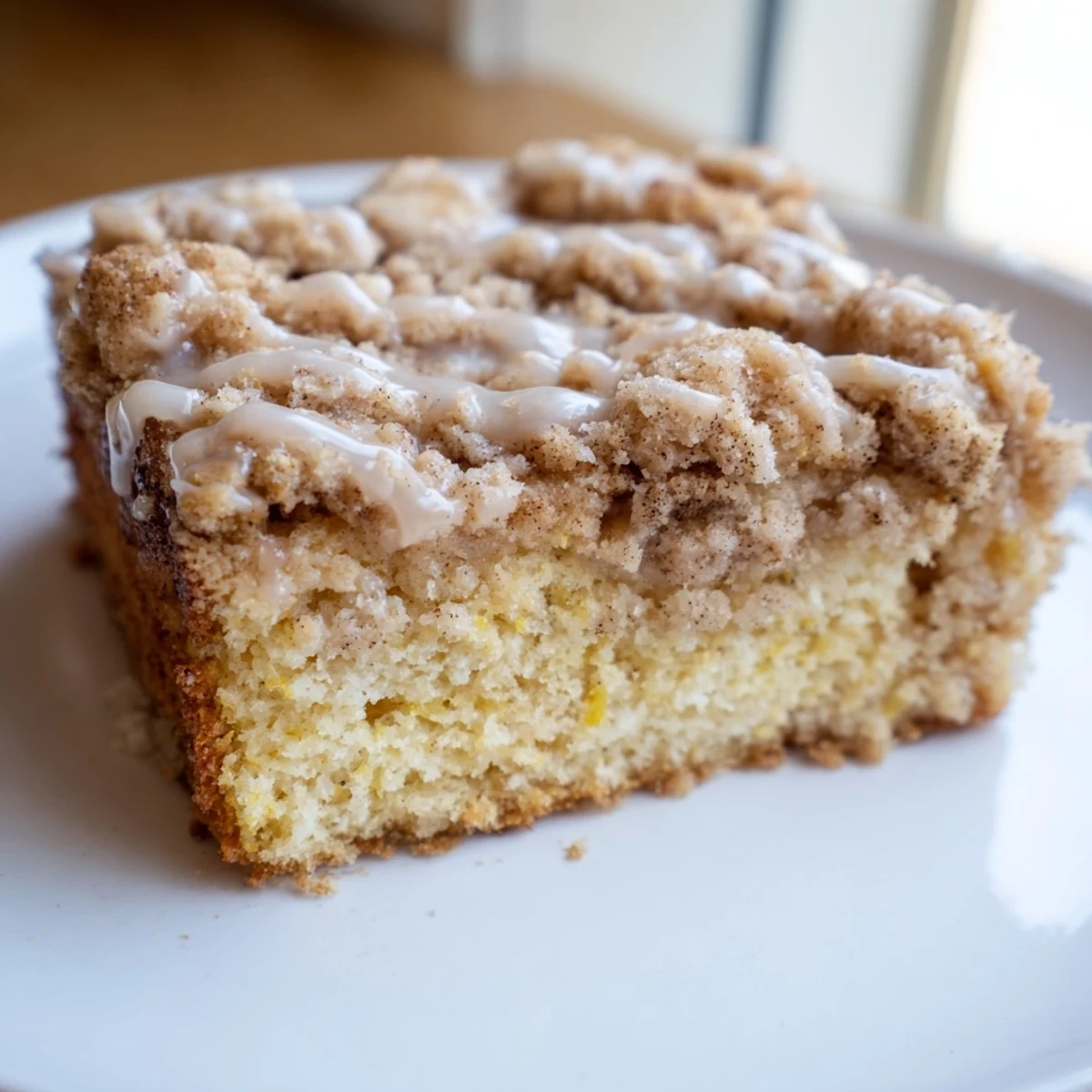
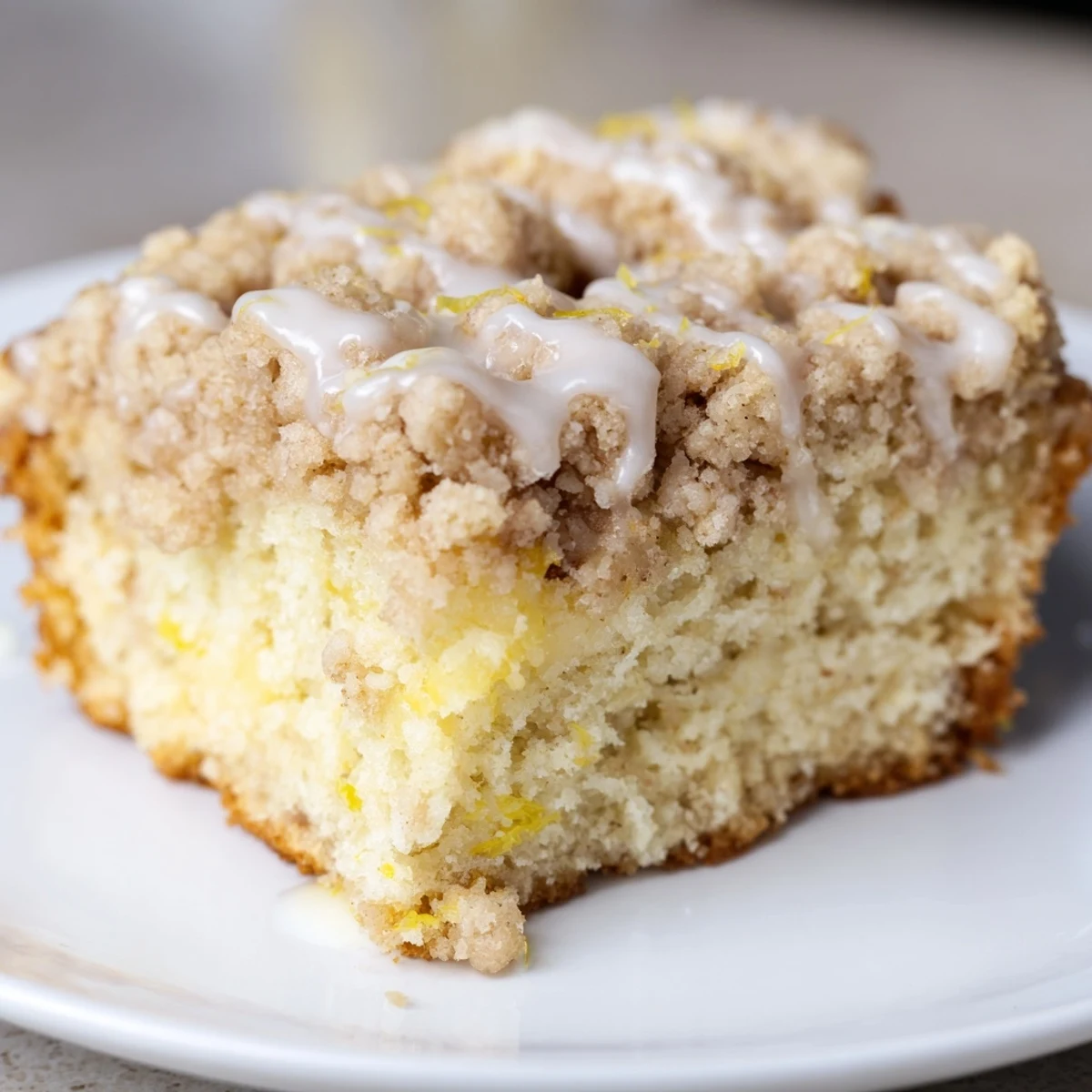
Save This lemon coffee cake delivers a tender crumb infused with fresh lemon zest and juice, creating a bright, zesty flavor. The buttery crumble topping adds a satisfying crunch that complements the soft texture of the cake. Carefully balanced with sour cream, butter, and a hint of vanilla, it rises beautifully with baking powder and soda. Ideal for breakfast, brunch, or an afternoon snack, the optional lemon glaze enhances the citrus notes perfectly.
Preparation involves mixing the crumble topping and chilling it before folding batter ingredients together gently. Baking at 350°F until golden ensures a moist, flavorful result. Additions like fresh blueberries or a dusting of powdered sugar can personalize this classic comfort dish.
There's something about the smell of lemon zest hitting hot butter that makes me stop whatever I'm doing. Years ago, a neighbor brought over a slice of her lemon coffee cake one Sunday morning, and I bit into it expecting something ordinary—instead, the tender crumb and bright citrus hit me all at once. I spent the next week trying to recreate that exact moment, and this recipe became my answer. Now it's the cake I reach for when I want to feel like I'm showing up for people.
I made this for my sister's book club once, nervous it would be too simple for people who bake seriously. One of the women literally went back for seconds while still holding her coffee, and later she admitted she'd been intimidated by my baking until that moment. That's when I realized the best recipes aren't the most complicated ones—they're the ones that make people feel something when they eat them.
Ingredients
- All-purpose flour (2.5 cups total): Use the scoop-and-level method to avoid packing it down, which makes cakes dense—if you own a kitchen scale, weigh it out for best results.
- Granulated sugar (3/4 cup for cake, 1/3 cup for crumble): The sugar creams with butter to trap tiny air pockets, which is what gives this cake its tender texture.
- Unsalted butter (1/2 cup softened, 1/4 cup cold): Softened butter for the batter means it blends smoothly; cold butter cubed for the crumble stays separate, creating those perfect little clusters.
- Eggs (2 large): Add them one at a time so they emulsify properly into the butter mixture instead of sitting in little pools.
- Sour cream and whole milk (1/2 cup and 1/4 cup): This combination creates moisture and tender crumb—the acid in sour cream reacts with baking soda to lift the cake.
- Lemon zest and juice (2 tbsp zest, 1/4 cup juice): Zest the lemon before cutting it in half to juice, and don't be shy—the zest is where the flavor magic happens.
- Baking powder and baking soda (2 tsp and 1/2 tsp): They work together to create rise; baking soda needs the acid from sour cream and lemon to activate properly.
- Vanilla extract (1 tsp): Just enough to deepen the background flavor without making it taste like vanilla cake.
- Ground cinnamon (1/2 tsp, optional for crumble): A whisper of cinnamon against the lemon is subtle but adds warmth if you choose to use it.
- Powdered sugar and lemon juice (for glaze): Mix these right before drizzling—sitting too long makes the glaze thick and lumpy.
Instructions
- Set up your pan and oven:
- Preheat to 350°F and grease your 9-inch pan thoroughly with butter or nonstick spray, then dust with a light coating of flour—this is your insurance against sticking. If you have parchment paper, line the bottom too.
- Make the crumble topping first:
- Combine 1/2 cup flour, 1/3 cup sugar, cinnamon if using, and a pinch of salt in a small bowl. Cut your cold butter cubes into this mixture using a fork or your fingertips, rubbing until it looks like coarse breadcrumbs with some pea-sized butter pieces still visible. Refrigerate this while you work on the cake—cold crumble stays crunchier.
- Cream butter and sugar together:
- Beat softened butter with 3/4 cup sugar for a full 2-3 minutes until it's pale and fluffy, which traps air and makes the cake light. You'll see the color change and the texture become pillowy.
- Add eggs one at a time:
- After each egg, beat for 30 seconds before adding the next one—this helps them emulsify instead of making the batter look curdled. It should stay smooth and glossy.
- Mix in the lemon and dairy:
- Add lemon zest first so the oil releases into the butter, then the lemon juice, then alternate small spoonfuls of sour cream and milk with vanilla extract. Everything should come together into a smooth, creamy batter.
- Combine dry ingredients:
- In a separate bowl, whisk together 2 cups flour, 2 tsp baking powder, 1/2 tsp baking soda, and 1/4 tsp salt. Pour this into your wet ingredients and fold gently with a spatula just until no streaks of dry flour remain—overmixing makes the cake tough.
- Pour, top, and bake:
- Spread the batter evenly into your prepared pan, then scatter the chilled crumble topping all over in an even layer. Bake 38-42 minutes until a toothpick inserted in the center comes out clean or with just a few moist crumbs clinging to it.
- Cool with patience:
- Let the cake sit in the pan for 10 minutes—it sets slightly and won't fall apart when you turn it out. Then transfer to a wire rack to cool completely before glazing if you're using the lemon drizzle.
 Save
Save I learned once that the difference between a good cake and one people ask about for weeks is often just paying attention to small details—using cold butter for the crumble, not opening the oven door before the timer, waiting until it's completely cool. These tiny choices add up to something that tastes like care.
Flavor Variations Worth Trying
If you want to play with this recipe, add a handful of fresh blueberries folded gently into the batter right before pouring it into the pan—they sink slightly and create little bursts of tartness against the sweet crumb. Frozen blueberries work too; just don't thaw them first. You could also swap half a teaspoon of the vanilla for almond extract, or stir 1/2 teaspoon of lavender into the dry ingredients if you're feeling adventurous.
Serving and Storage Ideas
This cake is perfect plain with coffee, but it's also stunning served warm with a dollop of whipped cream or a scoop of vanilla ice cream if you want to turn it into something more dessert-like. Leftovers keep in an airtight container at room temperature for up to two days, and somehow the crumble topping stays crispy even when the cake settles. If you need it to last longer, you can wrap individual slices in plastic wrap and freeze them for up to a month.
Why This Recipe Matters
Coffee cakes sit in this beautiful middle ground where they're simple enough to make on a Tuesday morning but fancy enough to serve when people drop by. They don't need an excuse, which is maybe why they've stayed in my regular rotation for so long. There's something deeply satisfying about having a recipe that works every single time, that people light up when they taste it, and that you're not stressed about making.
- Make it on Sunday and serve slices throughout the week with your morning coffee.
- Brush the top with a simple egg wash before baking if you want an extra-shiny, golden finish.
- Double this recipe easily—just use a 9x13 pan and add about five extra minutes to the baking time.
 Save
Save This is the kind of recipe that becomes part of your kitchen life—the one you make without thinking about it much anymore, but that always reminds you why you love cooking. I hope it brings you as much joy as it's brought me.
Recipe FAQs
- → What makes the lemon flavor stand out in this cake?
-
The combination of fresh lemon zest and juice provides a bright and natural citrus aroma that permeates the tender crumb, balancing sweetness with tang.
- → How is the crumble topping prepared?
-
Flour, sugar, cinnamon, and salt are cut into cold butter until coarse crumbs form, creating a buttery, crunchy layer baked atop the cake.
- → Can I substitute sour cream in the batter?
-
Yes, alternatives like Greek yogurt or buttermilk offer similar moisture and tang but might slightly alter texture and flavor.
- → Is the lemon glaze necessary?
-
The glaze is optional but adds an extra layer of sweetness and citrus brightness that enhances the overall profile.
- → How do I know when the cake is fully baked?
-
Insert a toothpick into the center; it should come out clean or with a few moist crumbs when the cake is ready.
- → Can this be stored after baking?
-
Store in an airtight container at room temperature for up to two days to maintain freshness and texture.