
 Save
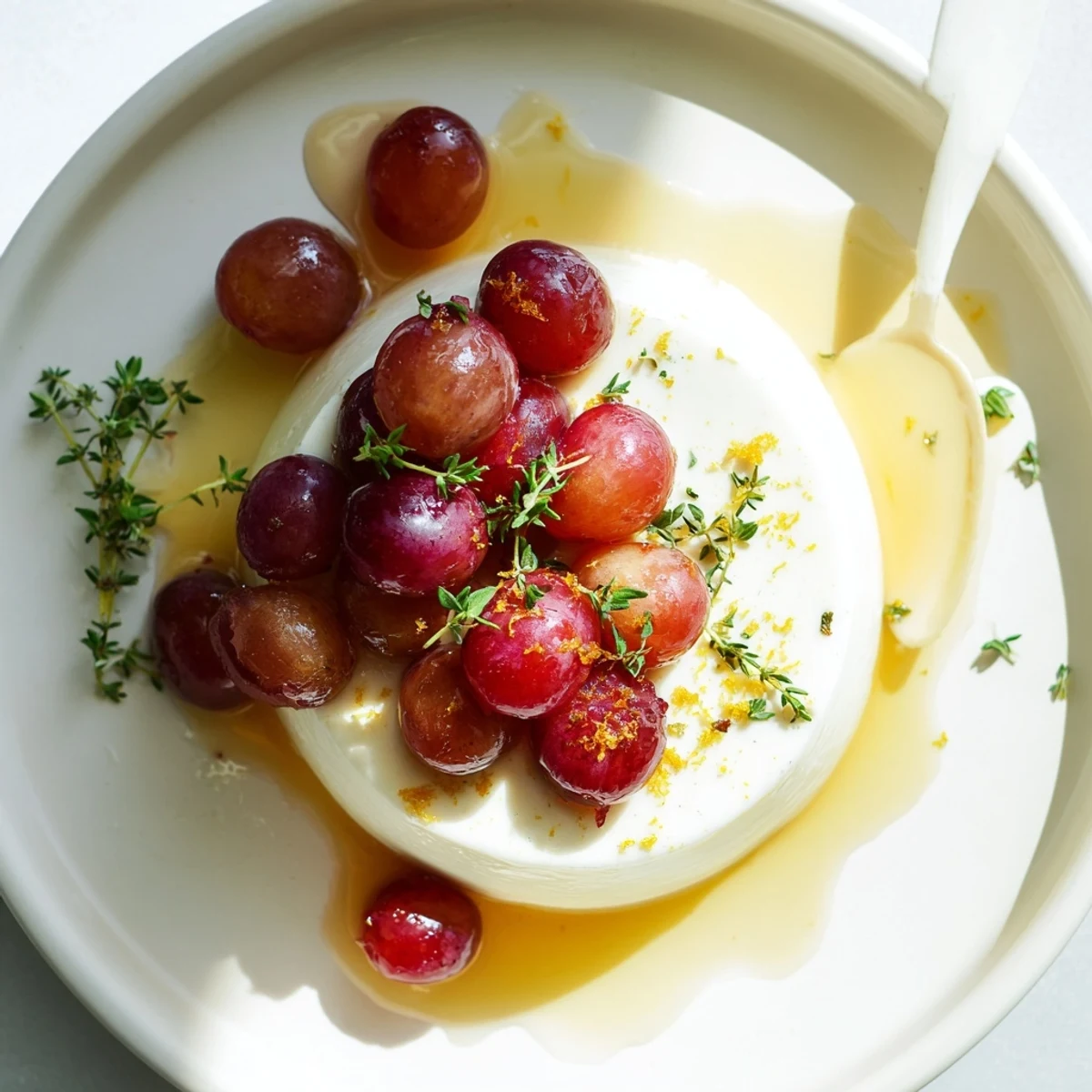
Save This elegant Italian dessert features a smooth, creamy lemon base made with heavy cream, milk, and fresh lemon juice. The silky panna cotta is topped with both warm, caramelized roasted grapes and cool, fresh grape halves, creating beautiful texture and temperature contrasts. Simple to prepare with just 20 minutes of active cooking time, this sophisticated sweet treat chills for at least 4 hours to achieve the perfect velvety consistency.
The first time I made panna cotta, I was convinced it would be some complicated French technique that would take hours to master. Instead, I stood in my tiny kitchen watching cream and milk come to a gentle steam, realizing the hardest part was simply waiting for it to chill. Now this lemon version with those jewel-like grapes has become my go-to dinner party dessert—it looks fancy but takes maybe twenty minutes of active work.
Last summer I served this at a rooftop dinner while the sun was setting, and everyone went quiet for that first bite. The contrast of warm roasted fruit against cold creamy custard feels like something youd order at a restaurant but better because you made it yourself.
Ingredients
- Heavy cream and whole milk: The combination creates the perfect texture—too much cream and its too dense, too much milk and it wont set properly
- Unflavored powdered gelatin: One standard packet is exactly what you need for six servings, and blooming it in cold water first ensures it dissolves evenly
- Lemon zest and juice: The zest gives you aromatic brightness while the juice provides that perfect tangy undertone that cuts through the cream
- Seedless red or black grapes: Divide them because roasting concentrates their sweetness into something almost like a warm compote while fresh ones stay crisp and juicy
- Honey and olive oil: This might sound strange on fruit, but trust me—the honey helps the grapes caramelize and the olive oil adds a subtle savory depth
Instructions
- Prep your vessels:
- Lightly oil or spray six small ramekins or glasses—about four to six ounces each
- Bloom the gelatin:
- Sprinkle the gelatin over two tablespoons cold water in a small bowl and let it sit for about five minutes until it absorbs the liquid and becomes soft
- Warm the dairy mixture:
- Combine cream, milk, sugar, lemon zest, and a pinch of salt in a saucepan over medium heat, stirring until just steaming but never boiling
- Dissolve the gelatin:
- Remove from heat and stir in the bloomed gelatin until completely dissolved, then whisk in lemon juice and vanilla until smooth
- Strain and portion:
- Pour everything through a fine mesh sieve into a jug, then divide evenly among your prepared ramekins or glasses
- Chill until set:
- Let cool to room temperature first, then refrigerate for at least four hours or overnight until firm
- Roast half the grapes:
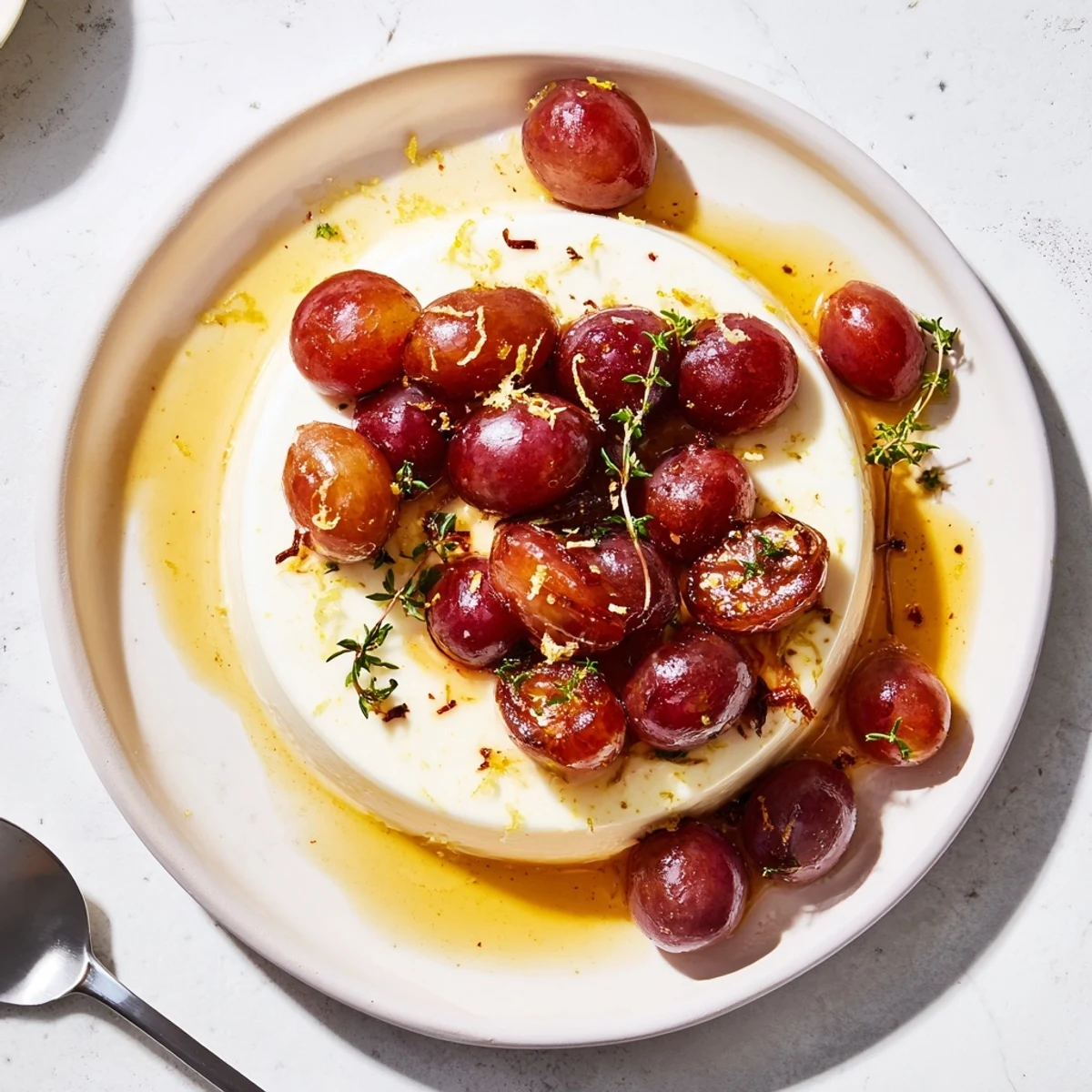
- Preheat oven to 400°F, toss one cup grapes with olive oil, honey, and thyme, then roast on parchment for ten to twelve minutes until soft and caramelized
- Prep the fresh grapes:
- Halve the remaining grapes while the roasted ones cool completely
- Assemble and serve:
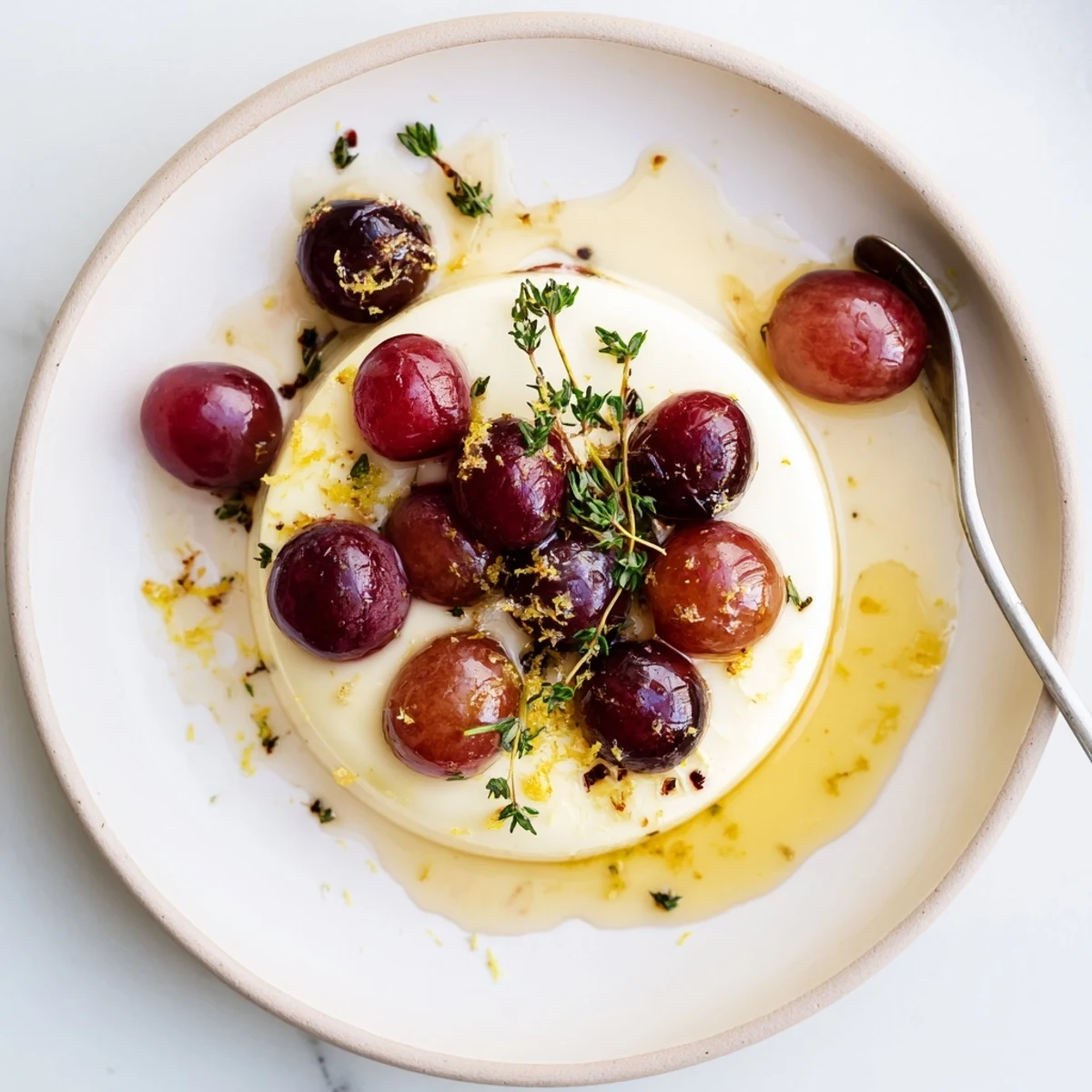
- Unmold onto plates if using ramekins or serve directly in glasses, spooning roasted grapes and their juices on one side and scattering fresh halves on the other
 Save
Save My friend Sarah swore she hated panna cotta until she tried this at a dinner last spring, and now she requests it every time she comes over. Theres something about the combination of cool cream and warm fruit that makes people pause mid conversation.
Make It Your Way
Once you master the base, this dessert is endlessly adaptable. Swap lemon for orange or blood citrus in winter, try roasted figs or stone fruit when theyre in season, or even steep herbs like lavender or basil in the cream before adding the gelatin.
Getting That Perfect Unmold
If using ramekins, run a thin knife around the edge, then dip the bottom quickly in warm water for about five seconds before inverting onto a plate. Hold the plate and ramekin together firmly, give a confident shake, and it should release beautifully.
Timing Everything Right
The panna cotta needs at least four hours to set, but you can make it up to two days ahead and keep it covered in the fridge. Roast the grapes just before serving—theyre best warm—and have everything else prepped so assembly takes literally two minutes.
- Set out your ramekins or glasses before you start so youre not scrambling while hot cream waits
- Roast the grapes while the panna cotta chills to maximize your kitchen time
- If the roasted grapes release too much liquid, spoon most of it over the finished dessert rather than letting it pool on the plate
 Save
Save Theres something deeply satisfying about a dessert that looks this impressive but comes together with such simple techniques. Plus, that first spoonful of cold custard with warm roasted fruit is pure magic.
Recipe FAQs
- → How long does lemon panna cotta need to set?
-
The panna cotta needs to chill for at least 4 hours, though overnight chilling produces the firmest, most stable results. The gelatin requires this time to fully set the cream mixture into a silky, jiggly consistency that holds its shape when unmolded.
- → Can I make this dessert ahead of time?
-
Absolutely. The panna cotta can be prepared up to 2 days in advance and stored covered in the refrigerator. Prepare the roasted grapes the same day you plan to serve, as they're best within a few hours of roasting while still juicy and caramelized.
- → What grapes work best for this dessert?
-
Seedless red or black grapes provide beautiful color contrast against the pale lemon cream. Red varieties offer sweetness while black grapes bring deeper, more complex flavors. Avoid green grapes as their tartness can compete with the bright citrus notes.
- → Can I substitute the gelatin?
-
Yes. For vegetarian options, use agar-agar powder following package instructions for dairy desserts. Alternatively, vegetarian gelatin substitutes work well—note that setting times and textures may vary slightly from traditional gelatin results.
- → Why roast some of the grapes?
-
Roasting concentrates the natural sugars in the grapes, creating jammy, caramelized flavors that pair beautifully with the bright lemon cream. The contrast between warm, sweet roasted grapes and cool, fresh halves adds sophisticated dimension to each spoonful.
- → Do I need to unmold the panna cotta?
-
No. Serving directly in glasses or ramekins works perfectly and eliminates risk of breaking the delicate custard. Unmolding creates an elegant restaurant-style presentation but requires running a knife along the edges and inverting briefly onto plates.