
 Save
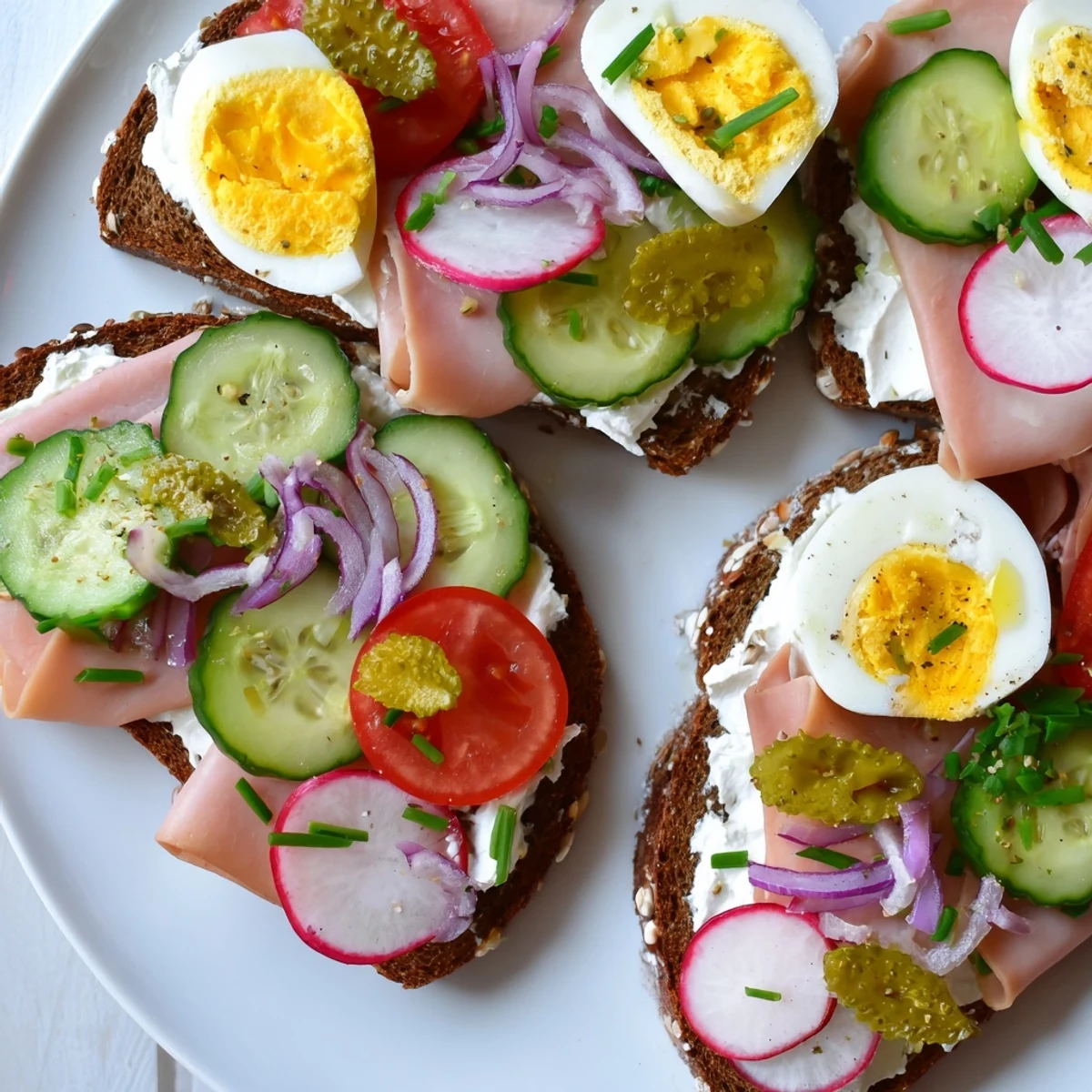
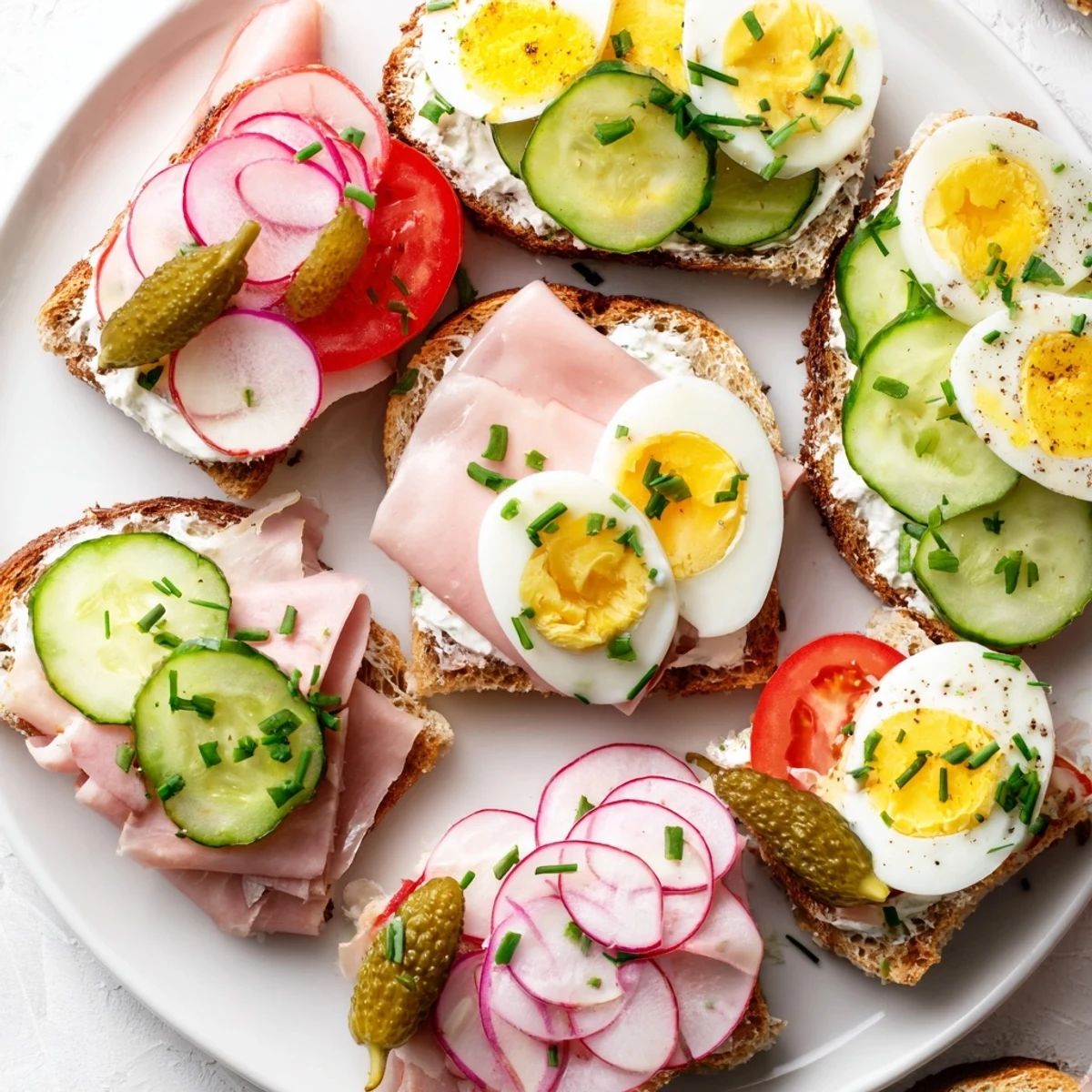
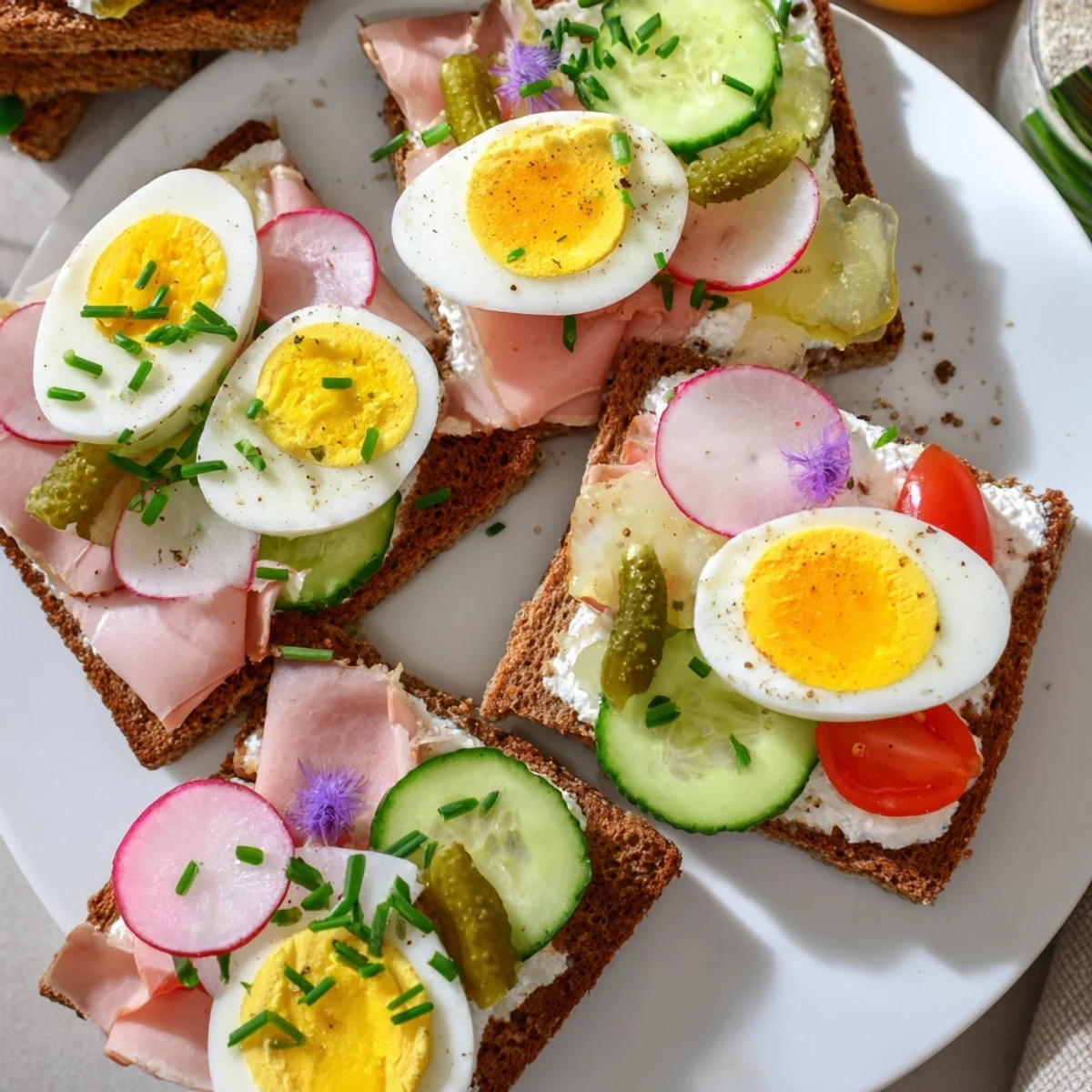
Save Polish kanapki are classic open-faced sandwiches built on slices of rye or rustic bread, generously spread with butter or cream cheese. Each slice is topped with a variety of ingredients such as smoked ham, thinly sliced kielbasa, hard-boiled eggs, cucumber, radishes, tomatoes and cornichons.
These colorful sandwiches are a staple of Polish hospitality, commonly served at breakfast, lunch or casual gatherings. The key lies in using fresh, quality ingredients and arranging them attractively on the bread. Seasoned simply with salt, pepper and fresh chives, kanapki are endlessly customizable to suit any taste or dietary preference.
My babcia never measured anything for her kanapki, she just laid out whatever the garden and pantry offered that morning on a weathered wooden board and let everyone build their own. The beauty of these Polish open faced sandwiches is that they refuse to be precious. They are generous, casual, and endlessly adaptable depending on what sits in your fridge.
I set out a kanapki board every New Years morning while everyone is still groggy and the apartment smells like leftover champagne corks and coffee. People wander over in pajamas, assemble lazily, and somehow that hushed hour becomes the best part of the whole celebration.
Ingredients
- Rye bread or rustic white bread (8 slices): Dense, sturdy rye is traditional and holds toppings without sagging under butter and pickles.
- Unsalted butter, softened (4 tbsp): Room temperature butter spreads without tearing the bread, a small detail that matters more than you think.
- Cream cheese, optional (100 g): Adds a tangy layer underneath sharper toppings like kielbasa or onion.
- Smoked ham (4 slices): Fold each slice instead of laying it flat for better texture and visual appeal.
- Polish sausage or kielbasa, thinly sliced (4 slices): Look for smoked kielbasa at a deli if possible because the factory packaged kind lacks the depth you want here.
- Hard boiled eggs (4 slices): Slice them while still slightly warm and the yolk presses gently into the butter below.
- Cucumber, thinly sliced (1 small): Persian or English varieties work best since the seeds are small and the flesh stays crisp.
- Radishes, thinly sliced (4): Their peppery bite cuts through the richness of butter and meat beautifully.
- Tomato, thinly sliced (1 small): Pat the slices dry with a paper towel first or they will make the bread soggy within minutes.
- Red onion, thinly sliced (1/4): Soak the slices in ice water for five minutes if you find raw onion too aggressive.
- Cornichons or Polish pickles, sliced (8 small): Their vinegar sharpness is the quiet hero of every good kanapki.
- Fresh chives, finely chopped (2 tbsp): Scatter these on last because the bright green color signals freshness before anyone takes a bite.
- Salt and black pepper: Season lightly since many toppings are already salty on their own.
Instructions
- Prepare the foundation:
- Lay all eight bread slices on a large platter or cutting board. If the bread is very fresh, toast it lightly so it develops a slight crust that stands up to spreading.
- Spread the base:
- Use a spreading knife to coat each slice with a thin, even layer of butter, cream cheese, or both if you are feeling indulgent. Work from edge to edge so every bite has that creamy underneath.
- Build your toppings:
- Arrange your chosen proteins and vegetables on each slice, mixing and matching as inspiration strikes. Aim for two or three toppings per slice so flavors stay clear rather than muddled.
- Season thoughtfully:
- Sprinkle a pinch of salt and a few grinds of pepper over the vegetables, skipping the meat topped ones entirely. Your palate will thank you for the restraint.
- Garnish and finish:
- Tuck pickle slices wherever they fit and scatter chives across the entire platter like confetti. Step back and admire the spread before anyone touches it because it will not look this tidy for long.
 Save
Save At my cousins wedding in Krakow the morning after the reception, the hotel breakfast room was quiet except for the clink of tea glasses and a long table covered in kanapki of every color. Half the guests were still wearing smeared makeup and crooked ties, and nobody cared about anything except assembling the perfect bite and nursing their coffee.
Making It Your Own
Once you understand the basic architecture of bread, spread, topping, and garnish, the combinations multiply fast. Smoked salmon with cream cheese and dill, roasted red pepper with goat cheese and walnuts, or even sliced strawberry with mascarpone for a sweet morning version all work beautifully.
Serving Kanapki for a Crowd
When I host a casual gathering, I prepare three different spreads and set out bowls of every topping I have, then let people build their own. It turns into a conversation starter as guests compare arrangements and steal topping ideas from each other.
Storing Leftovers and Quick Tips
Leftover assembled kanapki will not store well, so only build what you plan to eat. Keep extra toppings in separate containers in the fridge and assemble fresh rounds the next day because it takes almost no effort.
- Pre slice all vegetables and store them in separate containers so assembly is fast whenever hunger strikes.
- A serrated bread knife gives you clean slices without compressing the crumb.
- Always let butter sit out for twenty minutes before spreading to avoid ripping the bread.
 Save
Save Keep a platter of these in your back pocket for any moment that calls for something simple, beautiful, and shared. Good bread and a few honest toppings are all you ever really need.
Recipe FAQs
- → What type of bread works best for kanapki?
-
Traditional Polish kanapki are most often made with dense rye bread or rustic white bread. A firm, closely textured bread holds the butter and toppings without becoming soggy. Slightly stale or toasted slices work particularly well for maintaining structure under moist toppings.
- → Can kanapki be prepared ahead of time?
-
Kanapki are best assembled fresh and served immediately to prevent the bread from softening. However, you can prepare all toppings in advance and store them separately in the refrigerator. When ready to serve, simply butter the bread and arrange the toppings, which takes only a few minutes.
- → What are traditional toppings for Polish kanapki?
-
Classic toppings include smoked ham, thinly sliced kielbasa, hard-boiled eggs, cucumber, radishes, tomatoes, red onion and Polish pickles. Cream cheese or softened butter serves as the base spread. Fresh chives are the most common garnish, while salt and pepper provide simple seasoning.
- → How do you make vegetarian kanapki?
-
For vegetarian versions, simply omit the meat and focus on abundant vegetable toppings like cucumber, radish, tomato and red onion. Add sliced cheese such as Gouda or Twaróg, spreads like horseradish cream or mustard, and extra pickles for bold flavor without any meat.
- → What occasions are kanapki typically served at?
-
Kanapki are incredibly versatile and appear at nearly every Polish gathering. They are served at everyday breakfasts and lunches, holiday celebrations, birthday parties, funeral receptions and casual get-togethers. A platter of colorful kanapki is considered essential hospitality in Polish culture.