
 Save
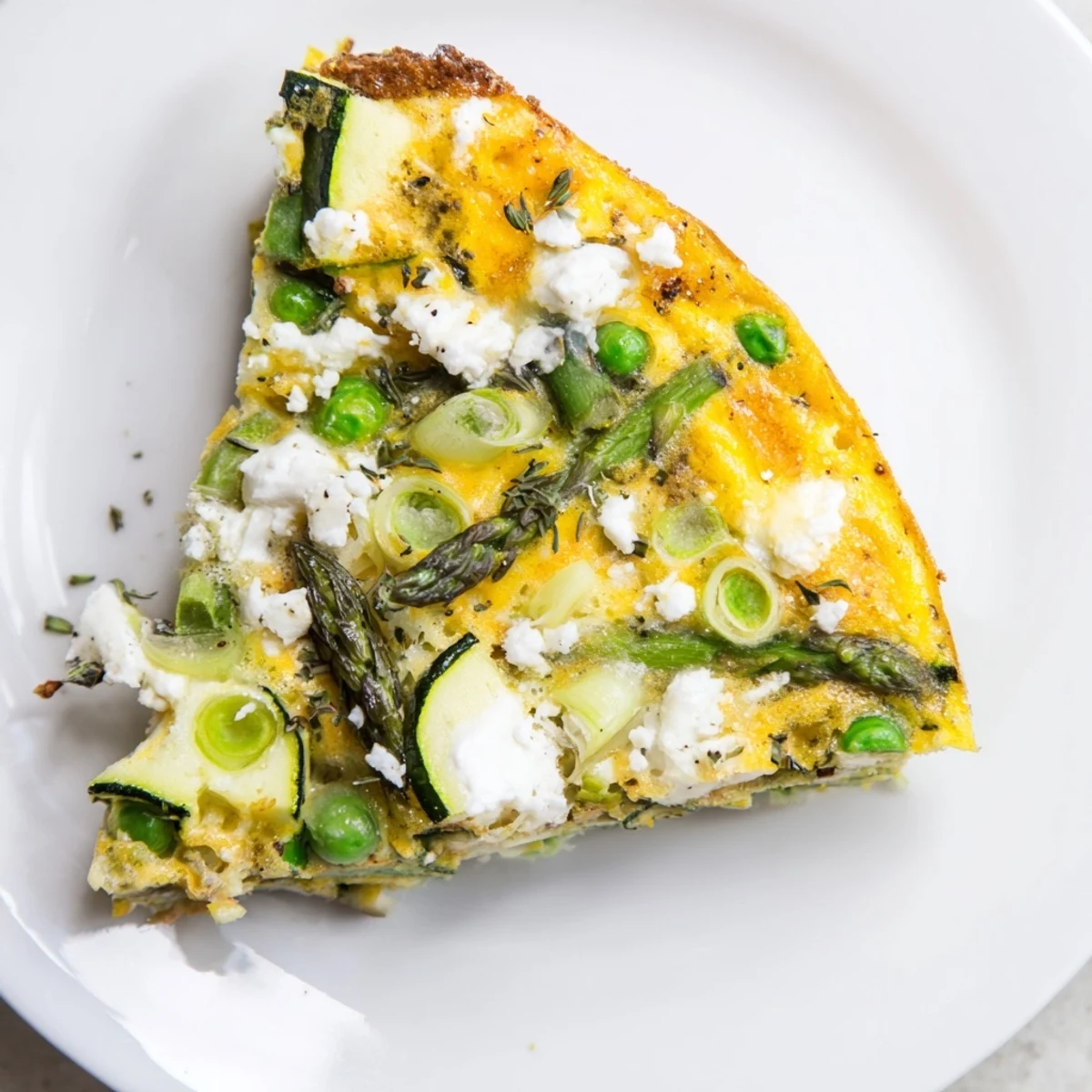
Save This oven-baked spring frittata layers tender asparagus, zucchini, peas and wilted spinach into a silky egg custard accented by tangy crumbled goat cheese. Sauté the vegetables in an ovenproof skillet, whisk eggs with a splash of cream and thyme, pour over the veg, cook briefly on the stovetop, then finish in a 375°F oven 12–15 minutes until set. Cool slightly, slice and garnish with fresh herbs for serving.
The farmers market had just set up for the season when I spotted bundles of asparagus so thin and bright they looked like they were painted that morning. I grabbed a handful, some scallions, and a log of fresh goat cheese without any real plan beyond getting home fast. That afternoon my kitchen smelled like buttery eggs and thyme, and I ate half the skillet standing at the counter with a fork. It was the kind of meal that makes you feel like you did spring properly.
My neighbor Lisa knocked on my door the second time I made this, drawn by the smell drifting through the open window. She stood in my kitchen with a cup of coffee and watched me pull the puffed golden frittata from the oven, then declared she was never going back to plain scrambled eggs. We split the whole thing between us and forgot about lunch entirely.
Ingredients
- Asparagus: Trim the woody ends and cut into one inch pieces so they cook evenly and look tidy in every slice.
- Baby spinach: A full cup sounds like a lot but it wilts down to almost nothing, so do not be tempted to skimp.
- Frozen peas: Thaw them under warm water for a minute so they do not lower the temperature of your eggs when they go in.
- Zucchini: Slice it paper thin into half moons so it softens quickly alongside the asparagus without turning mushy.
- Scallions: These add a mild onion sweetness that regular onions would overwhelm, so stick with scallions here.
- Eggs: Eight large eggs give you a substantial frittata that puffs proudly in the oven and feeds four hungry people.
- Whole milk or cream: Just a splash loosens the eggs enough for a tender, custardy interior rather than a rubbery one.
- Fresh thyme: The tiny leaves distribute evenly and bring an earthy warmth that dried herbs never quite match.
- Goat cheese: Crumble it with your fingers straight from the fridge so the chunks stay distinct and creamy after baking.
- Olive oil: One tablespoon is all you need to saut the vegetables and keep everything from sticking.
Instructions
- Warm up the oven:
- Set your oven to 375 degrees Fahrenheit and let it come fully to temperature while you prep the vegetables. A properly heated oven ensures the top sets and turns golden at the same time.
- Saut the hearty vegetables:
- Heat olive oil in a large ovenproof skillet over medium heat and add the asparagus, zucchini, and scallions. Cook them for about three to four minutes until they yield slightly when you press one with a spatula but still have some bite.
- Wilt in the greens:
- Toss in the spinach and thawed peas, stirring for just a minute or two until the spinach collapses into the other vegetables. Take the skillet off the heat so nothing overcooks while you mix the eggs.
- Whisk the egg mixture:
- Crack the eggs into a mixing bowl and add the milk, salt, pepper, and thyme leaves, then whisk until the mixture is uniform and slightly frothy. You want no visible streaks of yolk or white.
- Combine and arrange:
- Spread the sauted vegetables into an even layer across the skillet, then pour the egg mixture gently over the top. Give the pan a soft shake side to side so the eggs settle into every gap between the vegetables.
- Scatter the goat cheese:
- Crumble the goat cheese evenly across the surface, tucking some pieces down into the eggs and leaving others perched on top. The bits near the surface will turn golden and slightly crisp while the sunken ones stay pillowy.
- Set the edges on the stovetop:
- Return the skillet to low medium heat and let it cook undisturbed for three to four minutes, just until you see the perimeter of the frittata pull away slightly from the pan. This head start prevents a soggy bottom when it goes into the oven.
- Finish in the oven:
- Transfer the skillet carefully into the oven and bake for twelve to fifteen minutes until the center is set when you give the pan a gentle wiggle and the top is lightly golden. Let it rest for five minutes before slicing so the custard finishes setting.
 Save
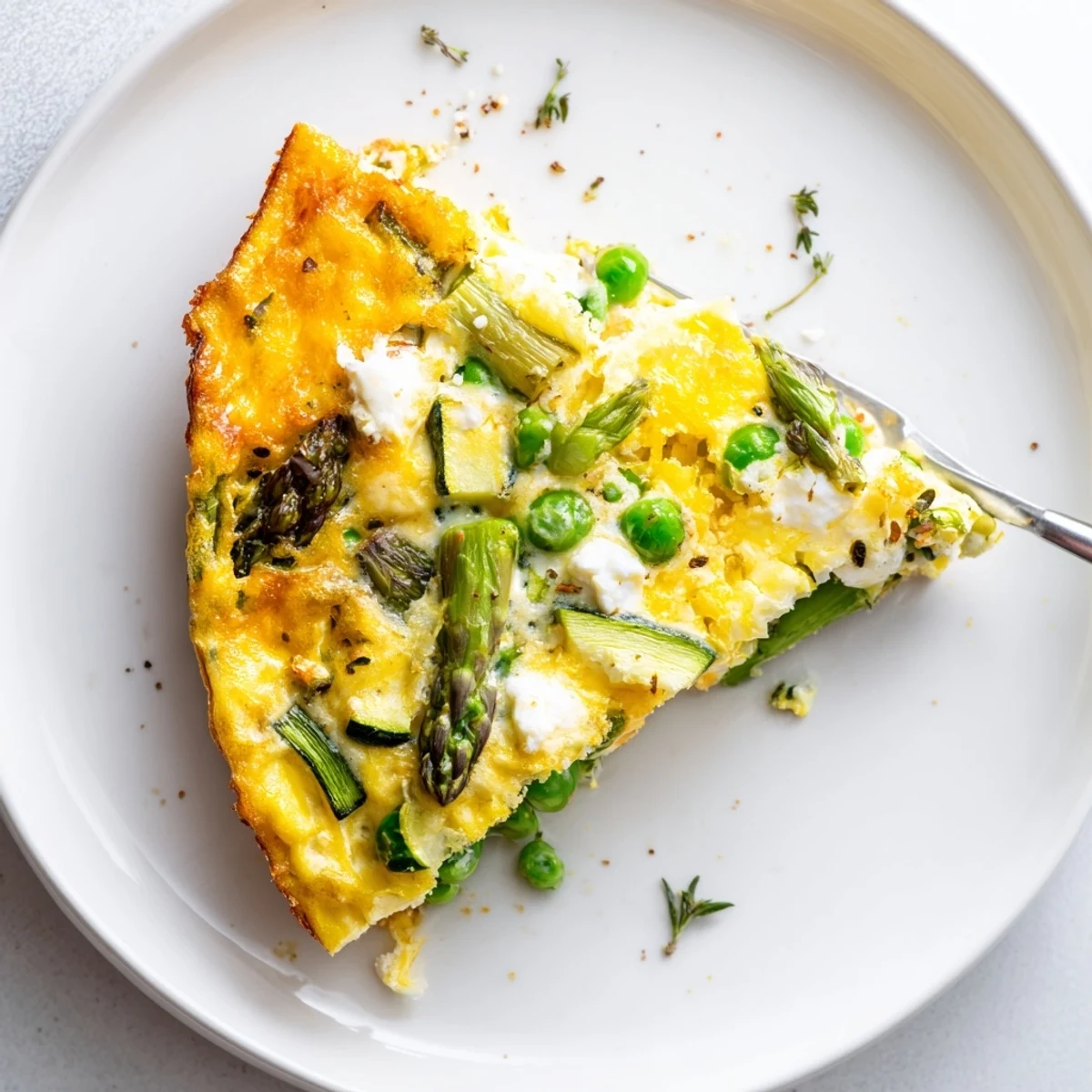
Save I brought a cold wedge of this frittata on a picnic last May and sat on a blanket watching the dog chase dandelion fluff across the yard. Something about eating it with my fingers in the sunshine made it taste better than it ever had at the kitchen table.
When to Serve It
This frittata has no loyalty to breakfast, which is what makes it so useful. I have served it at a lazy Saturday brunch with mimosas, packed it cold into a Tuesday lunch, and reheated leftovers for a Wednesday dinner with a bitter greens salad on the side. It even shows up at potlucks because it travels well and looks impressive on a plate without any last minute fussing.
Cheese Swaps That Work
Goat cheese is my first choice for the way its tang cuts through the richness of the eggs, but I have used crumbled feta when that was what I had and it was deeply satisfying. Ricotta works too if you dollop it in spoonfuls rather than crumbling, and it creates these wonderful milky puddles throughout. A sharp cheddar or grated Parmesan scattered on top during the last five minutes of baking gives you a salty, bronzed crust that is hard to resist.
What to Serve Alongside
Keep the sides simple because the frittata already carries the meal. A handful of dressed arugula or a shaved fennel salad provides the bitter crunch it needs. Thick toast with good butter rounds everything out, and a cold glass of white wine or sparkling water with lemon turns a random Tuesday dinner into something you actually look forward to.
- A simple vinaigrette dressed green salad balances the richness of the eggs and cheese perfectly.
- Crusty bread or toasted sourdough gives you something to mop up any soft bits with.
- A chilled beverage of any kind elevates the whole meal with almost zero effort.
 Save
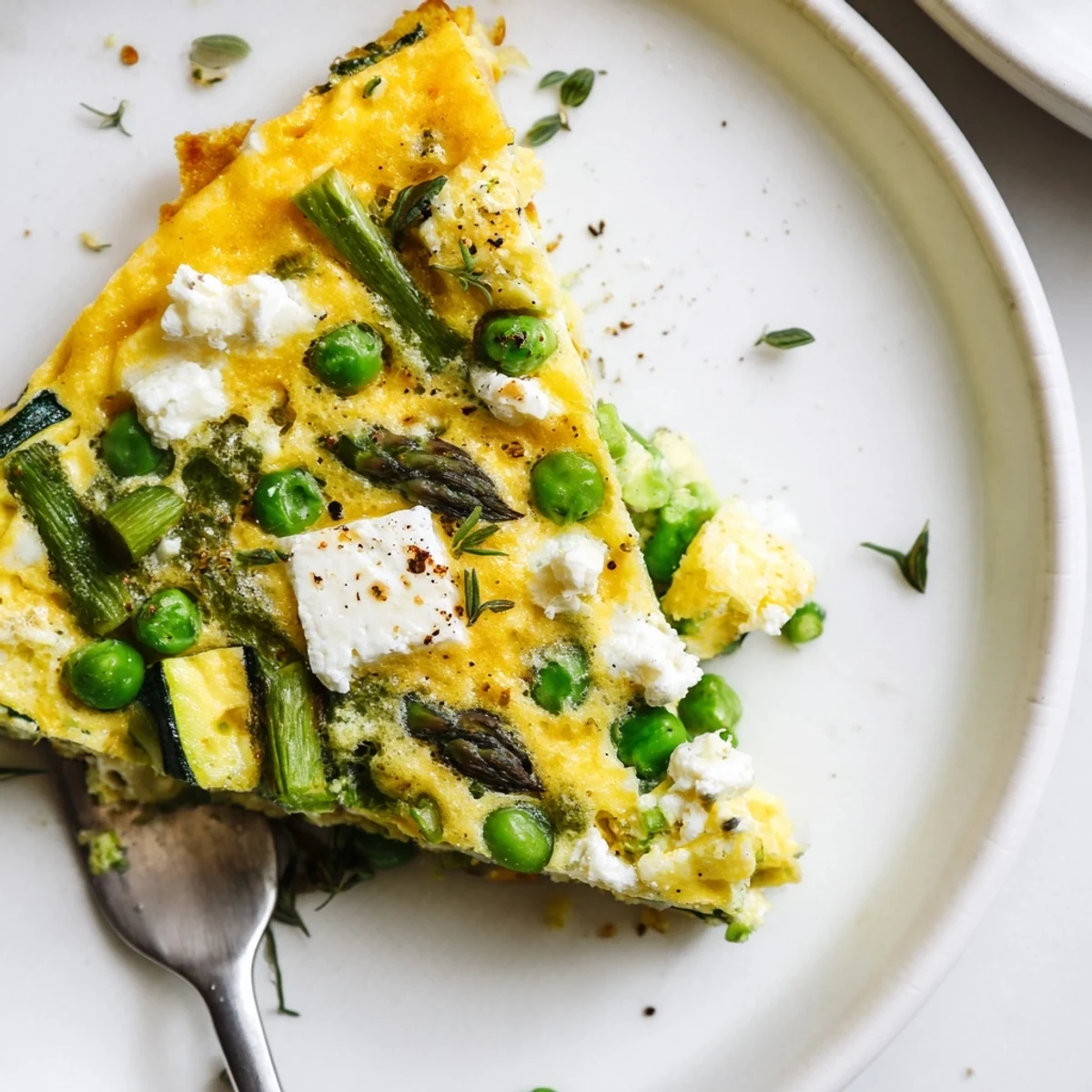
Save Every spring I make this frittata at least a dozen times, and each time I adjust something small based on what looks good at the market. It is the rare recipe that forgives your improvisations and still delivers something beautiful on the plate.
Recipe FAQs
- → How do I keep the frittata from turning rubbery?
-
Avoid overcooking: bake until just set and lightly golden, then let it rest. Adding a splash of milk or cream and not over-whisking the eggs helps yield a tender, custardy texture.
- → Can this be made ahead of time?
-
Yes. Cool completely, cover and refrigerate for up to 2 days. Reheat gently in a low oven or slice and warm in a skillet. For longer storage, freeze slices wrapped tightly and thaw before reheating.
- → What skillet works best?
-
Use a 10–12 inch ovenproof skillet; cast iron or heavy-bottomed pans give even heat and a nice crust. Ensure the handle is ovenproof or use a cover before transferring to the oven.
- → How should vegetables be prepared to avoid excess moisture?
-
Sauté firmer vegetables like asparagus and zucchini until slightly tender to release excess water, and wilt spinach briefly. Pat very wet ingredients dry and use moderate heat to prevent a soggy custard.
- → What are good cheese substitutions for goat cheese?
-
Feta or ricotta offer similar tang or creaminess; for dairy-free options, use a plant-based soft cheese and slightly increase seasoning to compensate for flavor differences.
- → How can I adapt the texture firmer or softer?
-
For a firmer set, reduce the milk/cream slightly or bake a few minutes longer. For a softer, creamier custard, add a tablespoon or two more cream and remove from the oven as soon as the center is just set.