
 Save
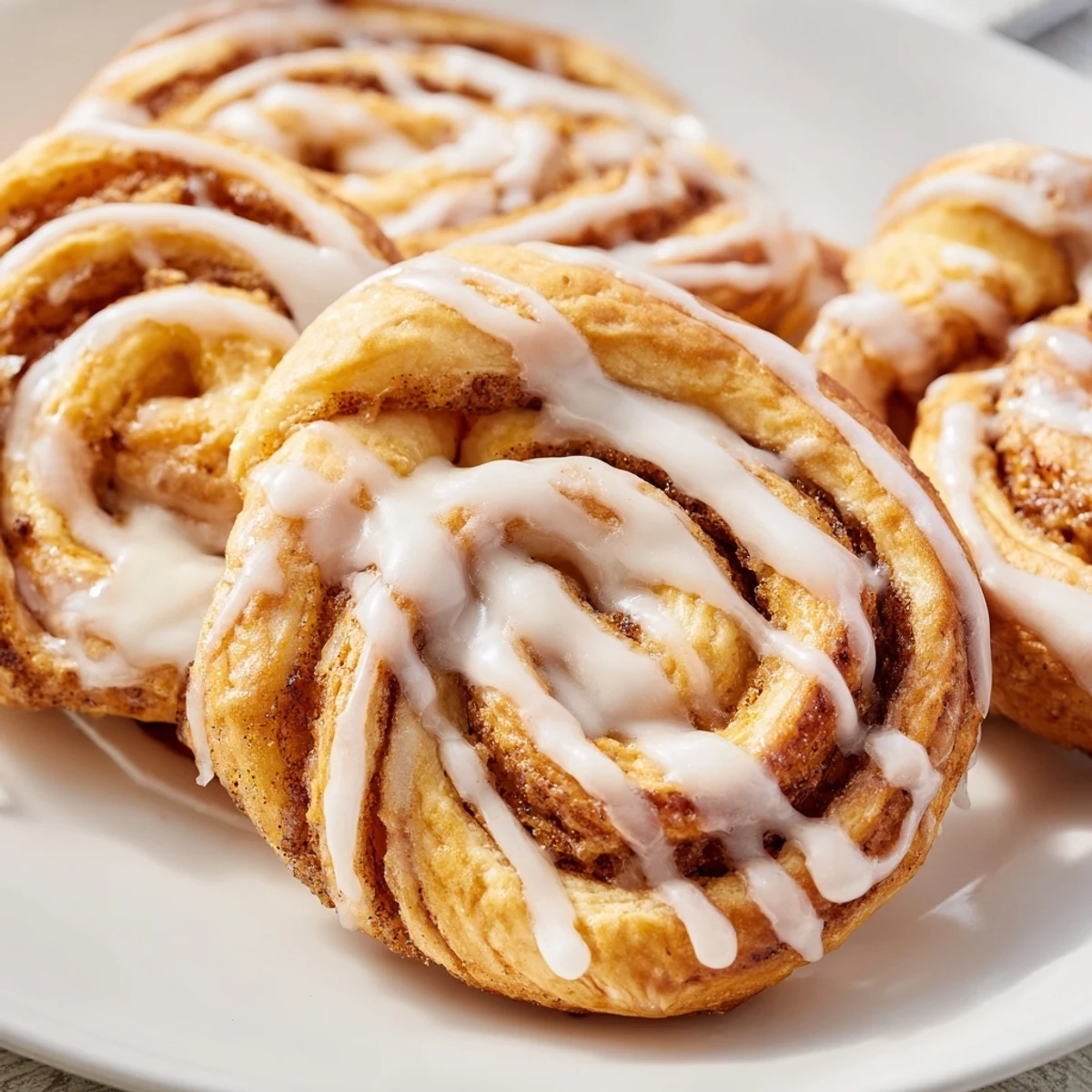
Save These tender, golden-baked pastry features feature a buttery dough swirled with brown sugar and cinnamon, then twisted into individual portions and baked until beautifully golden. A simple vanilla glaze adds the perfect sweet finish.
The dough comes together quickly with pantry staples, requiring just one rise before shaping. The cinnamon-sugar filling creates that classic swirl we all love, while the twist shape ensures crispy edges and soft centers in every bite.
Perfect for weekend breakfast, brunch spreads, or afternoon coffee breaks. Best served warm, when the glaze is still slightly gooey and the pastry is at its most tender.
The smell of cinnamon winding through my apartment on a rainy Sunday morning became accidental proof that I was finally adulting properly. I had attempted these twists three times before getting that perfect spiral, each batch teaching me something new about patience and dough temperature. Now they are my go-to when I need to make the house feel like home without spending all day in the kitchen.
My roommate walked in while I was mid-twist, flour dusted everywhere, and immediately claimed the first batch as her own. We ate them warm standing over the counter, burning our fingers slightly, not even caring. That is the kind of recipe this is, meant to be shared immediately, preferably with someone who will appreciate the slightly messy process.
Ingredients
- 2 1/4 cups all-purpose flour: Bread flour gives extra chew but regular flour works perfectly fine
- 2 tbsp granulated sugar: Feeds the yeast and adds subtle sweetness to the dough itself
- 1/2 tsp salt: Do not skip this, it balances all that cinnamon sugar beautifully
- 2 1/4 tsp active dry yeast: One standard packet, make sure it is not expired
- 3/4 cup warm milk: Should feel like warm bath water, around 110°F, hot milk kills yeast
- 1 large egg: Room temperature eggs incorporate better into dough
- 3 tbsp unsalted butter, melted: Adds richness and helps create that tender crumb
- 1/3 cup packed light brown sugar: Dark brown sugar works too but gives a more intense molasses flavor
- 2 tsp ground cinnamon: Fresh cinnamon makes a huge difference here
- 3 tbsp unsalted butter, softened: Spreadable but not melting, this creates those cinnamon swirl layers
- 1/2 cup powdered sugar: Sift it first to avoid lumpy glaze
- 1 tbsp milk: Add more if you want a thinner drizzle
- 1/2 tsp pure vanilla extract: The good stuff really shines in a simple glaze
Instructions
- Wake up the yeast:
- Combine warm milk and yeast in a large bowl, letting it stand for 5 minutes until foamy on top
- Make the dough base:
- Add sugar, melted butter, egg, and salt to the yeast mixture, mixing well before gradually incorporating flour
- Knead until smooth:
- Work the dough on a lightly floured surface for 5 to 7 minutes until it feels elastic and smooth under your hands
- Let it rise:
- Place dough in a greased bowl, cover it, and let rise in a warm spot for about 1 hour until doubled
- Mix the filling:
- Combine brown sugar and cinnamon in a small bowl while waiting for the dough to rise
- Roll it out:
- Roll the dough into a 12 by 16 inch rectangle, then spread softened butter evenly over the surface
- Add the cinnamon swirl:
- Sprinkle the cinnamon sugar mixture across the buttered dough, right to the edges
- Shape the twists:
- Fold the dough in half lengthwise, cut into 12 strips, then twist each strip several times before placing on a parchment lined baking sheet
- Second rise:
- Cover the twists and let them rise for 15 minutes while heating the oven to 375°F
- Bake until golden:
- Bake for 18 to 20 minutes until they are golden brown, then cool slightly before glazing
- Add the finishing touch:
- Whisk powdered sugar, milk, and vanilla until smooth, then drizzle over the warm twists
 Save
Save These became a Saturday morning tradition during my first year of teaching, something to look forward to after a long week. The recipe is forgiving enough that even on tired days, the twists still turn out beautiful and comforting.
Making Ahead
You can prepare the dough the night before and let it rise slowly in the refrigerator overnight. The cold fermentation actually develops more flavor, and you will wake up to ready to bake dough. Just let it come to room temperature for about 20 minutes before rolling.
Getting The Perfect Twist
The secret is twisting firmly but gently, about 3 to 4 turns per strip. Over twisting makes them too tight and they will not bake evenly. If the dough starts to snap back on you, let it rest for 5 minutes and try again.
Serving Suggestions
These disappear fastest when served within 30 minutes of baking, but they reheat beautifully in a 350°F oven for 5 minutes. Pair with strong coffee and maybe some fresh berries if you want to pretend it is a balanced meal.
- Try adding chopped pecans to the filling for extra texture
- A pinch of nutmeg in the dough adds lovely depth
- The glaze can be doubled if you really love that sweet finish
 Save
Save There is something deeply satisfying about pulling warm, twisted pastry from the oven, knowing you made every spiral yourself. Hope these bring as much comfort to your kitchen as they have to mine.
Recipe FAQs
- → Can I make these ahead of time?
-
Yes, prepare the dough through the first rise, then refrigerate overnight. Bring to room temperature before rolling and filling. You can also bake and freeze for up to 2 months, reheating in a 350°F oven.
- → Why didn't my dough double in size?
-
This usually means the yeast wasn't activated properly or the environment was too cool. Ensure your milk is warm (110°F) but not hot, and find a warm, draft-free spot for rising. A slightly warmed oven with the light on works perfectly.
- → Can I use different fillings?
-
Absolutely. Try orange zest and cardamom, chopped nuts and brown sugar, or even chocolate chips. The basic dough works beautifully with various flavor combinations.
- → How do I store leftover twists?
-
Keep in an airtight container at room temperature for up to 2 days. For longer storage, freeze individually wrapped and reheat in the oven. The glaze may soften at room temperature, so refrigerate if you prefer it set.
- → Can I make these without a stand mixer?
-
Definitely. Mix by hand with a wooden spoon, then knead on a floured surface. The dough is soft and manageable, requiring just 5-7 minutes of kneading to develop the gluten structure.
- → My glaze is too thick or thin, what should I do?
-
Add more milk 1 teaspoon at a time if too thick, or more powdered sugar if too runny. The ideal consistency should pour slowly from a spoon and set slightly on the warm pastry.