
 Save
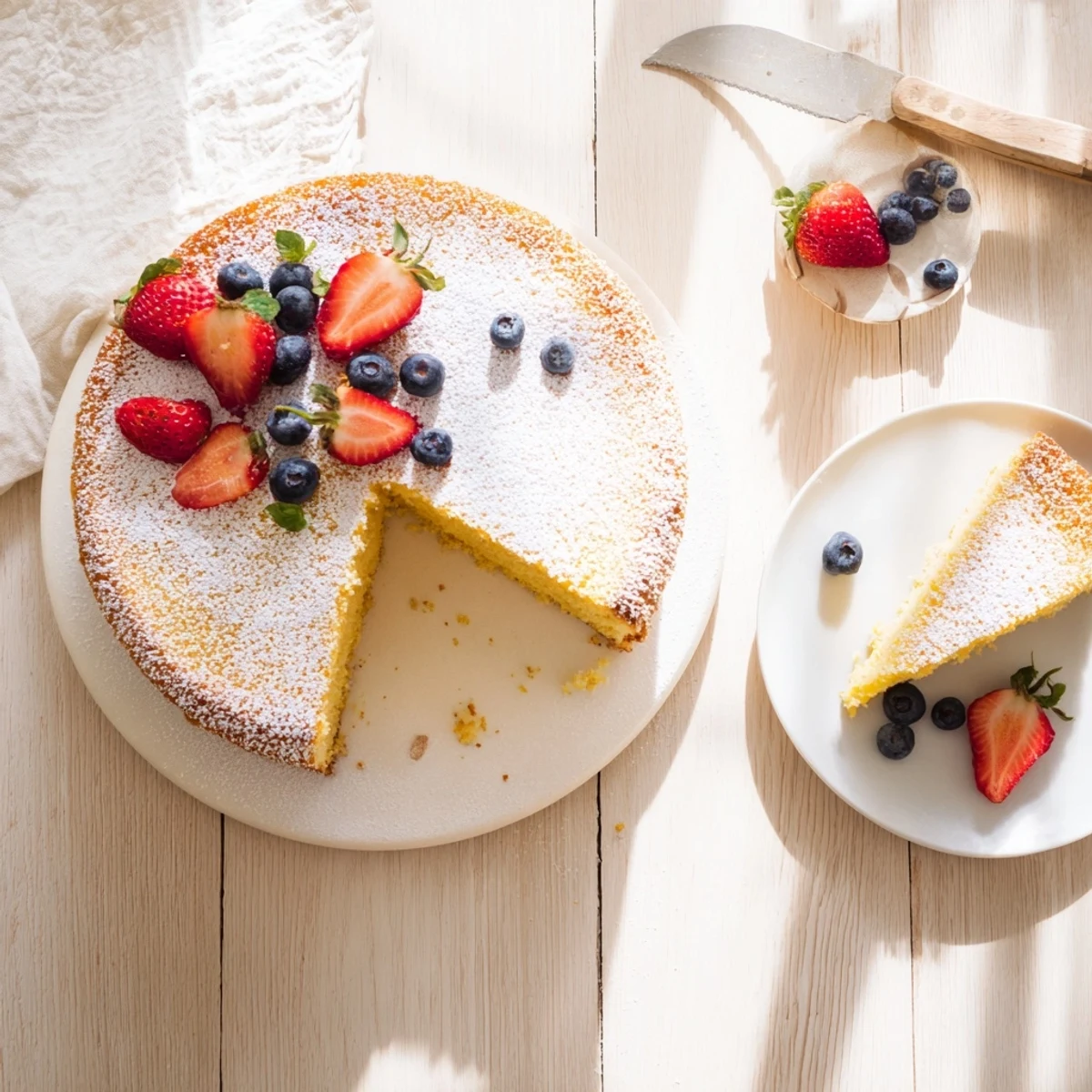
Save This delightful European-style dessert combines the tangy richness of Greek yogurt with a feather-light sponge, creating a treat that truly lives up to its cloud-like name. The preparation involves separating eggs and folding beaten whites into a creamy yolk-based batter, resulting in a texture that's both substantial and ethereally light.
The addition of lemon zest adds brightness while the yogurt contributes moisture and subtle tang. Perfect for warm afternoons or as an ending to a special meal, this cake shines when simply dusted with powdered sugar and served alongside fresh berries. Best enjoyed the same day but keeps well for two days when stored properly.
The first time I made this yogurt cake, I was convinced something had gone terribly wrong. The batter seemed impossibly light, almost insubstantial, like it might just float away. But that nervousness turned into pure wonder when I pulled it from the oven and watched it settle into the most tender, cloud-like crumb I had ever seen. Now it is the cake I turn to when I need something that feels special without requiring hours of effort.
My neighbor smelled this baking through our open windows one Sunday and actually knocked on my door to ask what I was making. I sent her home with a slice still warm from the oven, and she texted me before she even reached her house demanding the recipe. That is the kind of reaction this cake produces, it has a way of making people stop and pay attention to something so simple.
Ingredients
- All-purpose flour: Provides structure while keeping things tender
- Cornstarch: The secret weapon for that silky soft crumb
- Baking powder: Gives the lift needed for cloud-like texture
- Salt: Balances sweetness and enhances flavor
- Eggs, separated: Whites create the airy structure, yolks add richness
- Granulated sugar: Sweetens and helps stabilize the egg whites
- Vegetable oil: Keeps the cake moist for days
- Full-fat Greek yogurt: The star ingredient, adding tang and tenderness
- Vanilla extract: Classic warmth that rounds everything out
- Lemon zest: Bright floral notes that cut through the richness
Instructions
- Preheat and prep your pan:
- Set your oven to 325°F (160°C) and line just the bottom of an 8-inch round pan with parchment. Leave the sides ungreased, this helps the cake climb up as it bakes.
- Mix your dry ingredients:
- Whisk together the flour, cornstarch, baking powder, and salt in a bowl until thoroughly combined. Set this aside while you work on the wet mixture.
- Whisk the yolks and sugar:
- Beat the egg yolks with 1/2 cup sugar until the mixture turns pale and falls in ribbons from the whisk. Whisk in the oil, yogurt, vanilla, and lemon zest until smooth.
- Combine the base:
- Gently fold the dry ingredients into the yolk mixture, being careful not to overwork the batter. Stop as soon as the flour disappears.
- Beat the egg whites:
- In a completely clean bowl, beat the egg whites until soft peaks form. Slowly add the remaining 1/4 cup sugar and continue beating until stiff, glossy peaks form.
- Fold with care:
- Start by folding one-third of the whites into the batter to lighten it, then gently fold in the rest in two additions. Use a light touch, you want to keep all that air you just whipped in.
- Bake to perfection:
- Pour the batter into your prepared pan, smooth the top, and bake for 40 to 45 minutes. The cake is done when it is set and a toothpick comes out clean.
- Cool with patience:
- Let the cake rest in the pan for 10 minutes before running a knife around the edge. Invert onto a wire rack, peel off the parchment, and let cool completely.
 Save
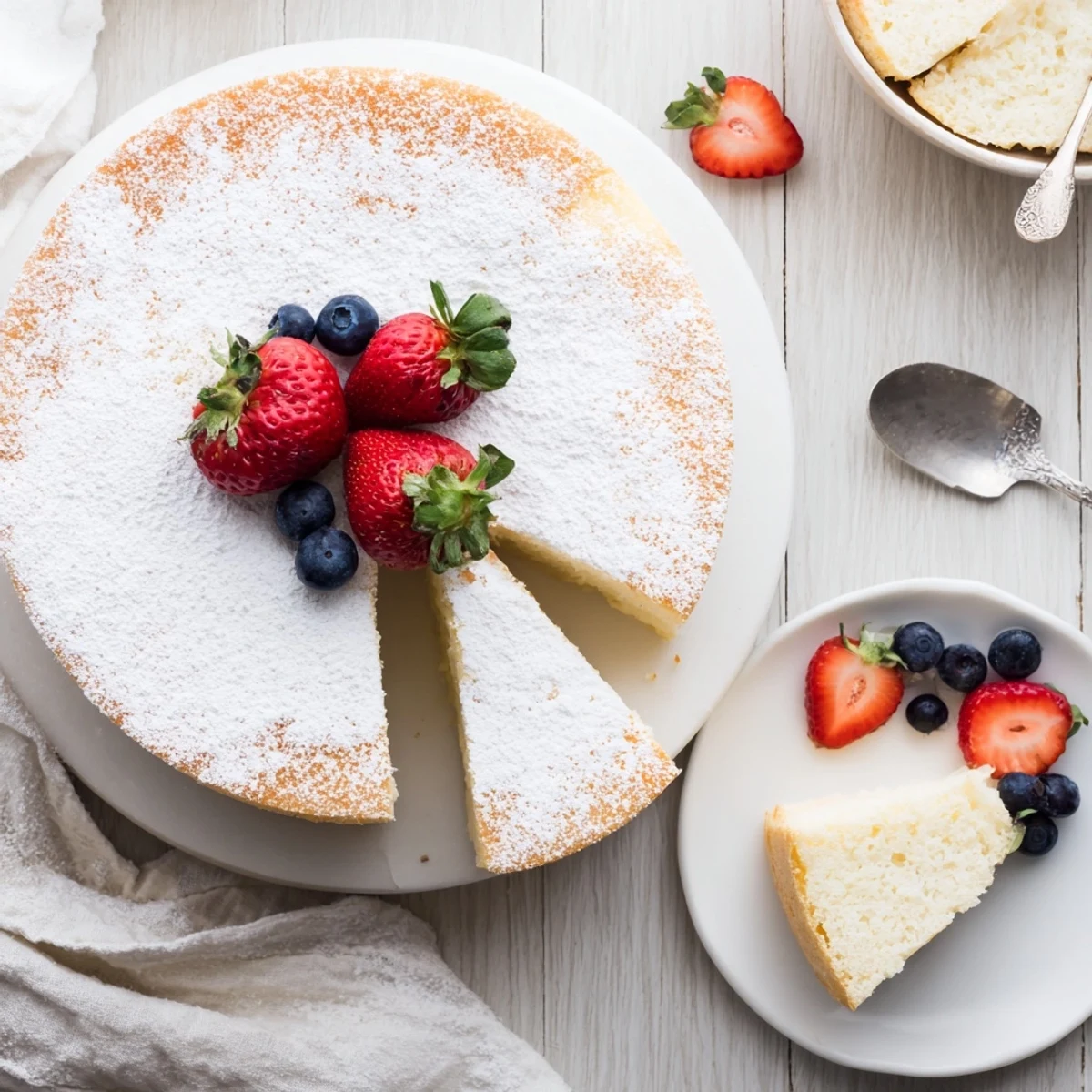
Save This cake has become my go-to for moments when food needs to feel like a hug. My mother called it the most elegant dessert she had ever tasted, and coming from her, that meant everything. There is something about serving something so light and lovely that makes ordinary Tuesday dinners feel like special occasions.
Making It Your Own
While lemon is the classic pairing for yogurt cake, I have discovered that orange zest works beautifully for a slightly deeper, warmer flavor. A splash of almond extract instead of vanilla transforms it completely into something reminiscent of wedding cakes. The beauty of this recipe is how it adapts to whatever mood you are in while still delivering that perfect cloud texture.
Storage and Serving
This cake is undeniably best the day it is made, when the exterior still has the slightest crispness against the tender interior. However, it keeps remarkably well in an airtight container for up to two days, becoming even more moist and compact. Some people actually prefer it chilled the next day, when the flavors have had time to meld and the texture becomes almost custard-like.
Troubleshooting Common Issues
If your cake collapses slightly after cooling, do not worry, even collapsed it is delicious. This usually means the egg whites were not whipped quite to stiff peaks or the folding was a bit too vigorous. A dense or rubbery texture typically indicates overmixing at the flour stage. Remember, gentle handling is the key to keeping those air bubbles intact.
- Room temperature eggs whip up faster and more reliably
- If the cake browns too quickly, tent it with foil after 30 minutes
- The cake is done when it springs back when lightly touched in the center
 Save
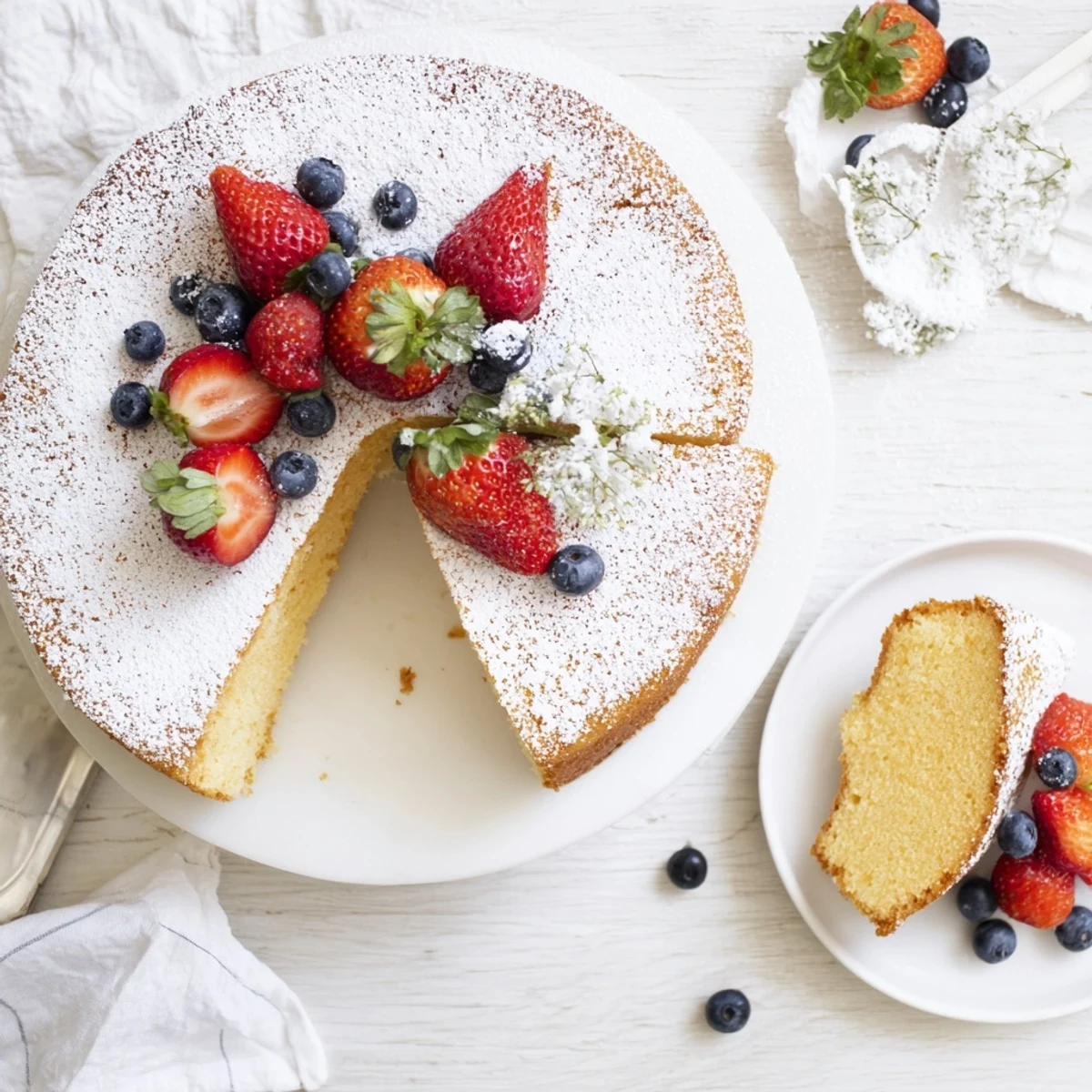
Save There is quiet joy in serving something so unassumingly beautiful and watching people close their eyes at that first bite. This cake has a way of making moments feel just a little more magical.
Recipe FAQs
- → What makes this cake so light and fluffy?
-
The secret lies in the separated egg technique—beating the whites until stiff peaks form creates air pockets that get folded into the batter. Combined with cornstarch and yogurt, these bubbles remain trapped during baking, resulting in that signature cloud-like texture.
- → Can I use regular yogurt instead of Greek yogurt?
-
Greek yogurt is recommended because its thicker consistency provides the right moisture balance. If using regular yogurt, consider straining it through cheesecloth for an hour to remove excess whey, or reduce the amount slightly to prevent a dense final product.
- → Why shouldn't I grease the sides of the pan?
-
Leaving the sides ungreased allows the batter to climb and cling as it rises, helping achieve maximum height. Greasing would cause the mixture to slide down, potentially resulting in a denser, less airy final product.
- → How do I know when the cake is done baking?
-
Insert a toothpick into the center—if it comes out clean or with just a few moist crumbs, the cake is ready. The top should be lightly golden and spring back when gently touched. Avoid opening the oven during the first 30 minutes to prevent collapse.
- → Can I add different flavors to this cake?
-
Absolutely! While lemon zest provides classic brightness, you can substitute orange, lime, or even grapefruit zest. For variations, try adding a teaspoon of almond extract, folding in fresh berries, or incorporating citrus juice for extra tang.
- → Why is this cake best enjoyed the same day?
-
The cloud-like texture is at its peak freshness within hours of baking. While the cake remains delicious for up to two days when stored airtight, the structure gradually settles and loses some of its signature airiness over time.