
 Save
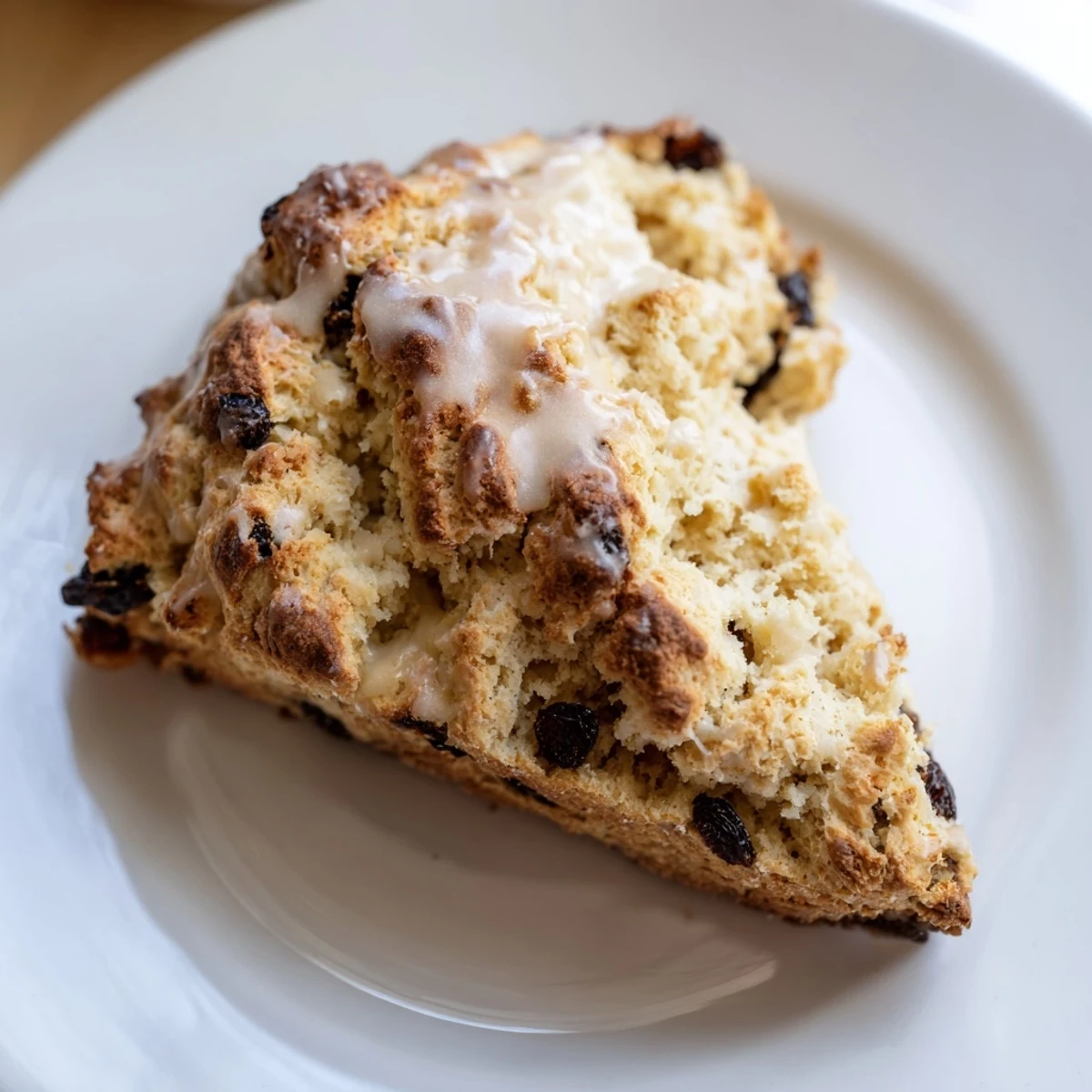
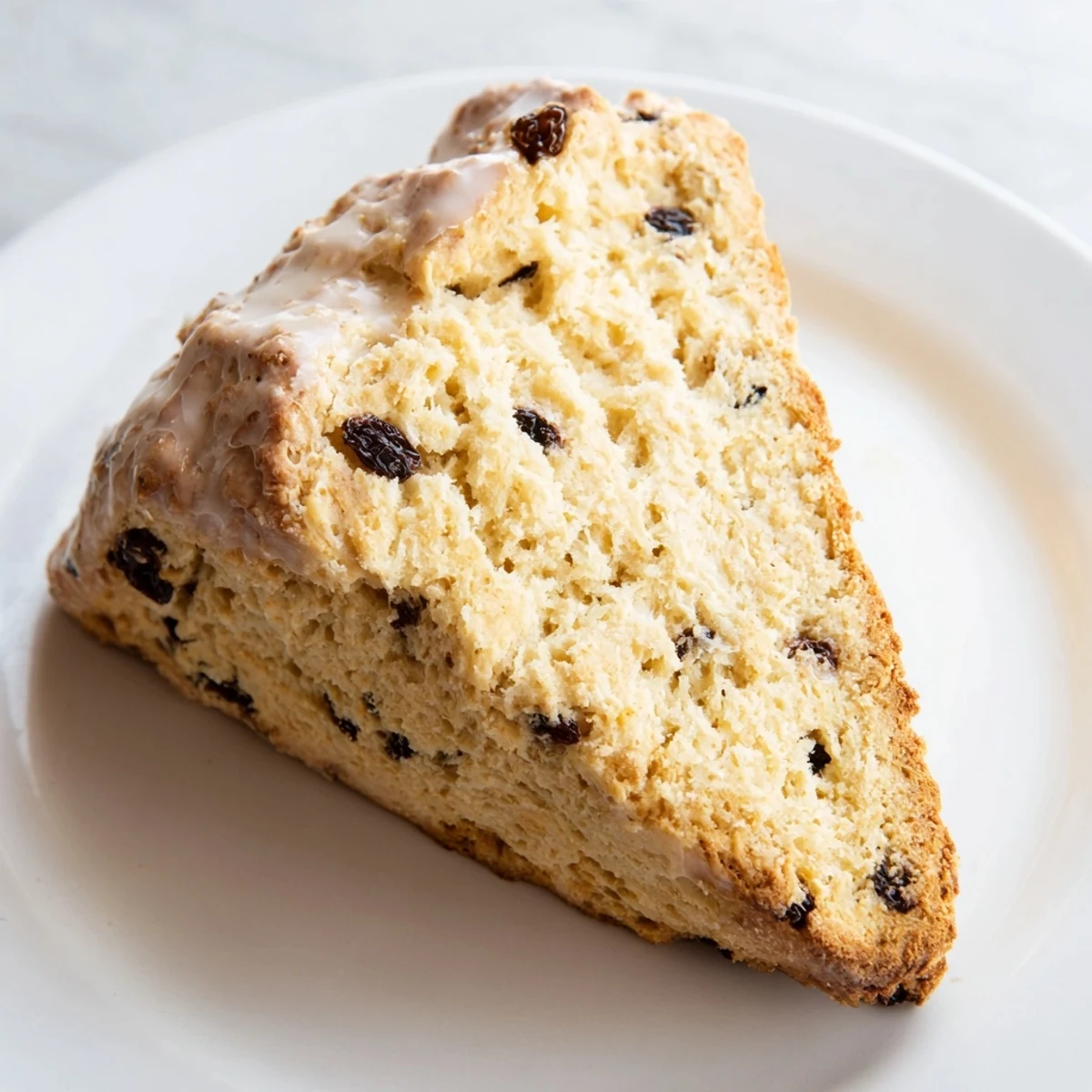
Save These Irish soda bread scones combine the wholesome flavors of all-purpose and whole wheat flours with a touch of sweetness from sugar and optional currants. The tender crumb forms from a gentle mix of buttermilk, egg, and melted butter, baked to a golden crust in just 20 minutes. Ideal for a light breakfast or afternoon tea, they deliver a balance of crispiness and softness with a hint of traditional Irish baking.
Mix dry ingredients gently with wet, shape into wedges, and bake until golden brown. A quick brush of buttermilk before baking adds a nice shine, and optional caraway seeds or dried fruit variations personalize each batch. Serve warm, complemented by butter, jam, clotted cream, or honey for a comforting treat.
The smell of buttermilk always takes me back to my grandmother's tiny kitchen, where she'd explain that Irish soda bread doesn't need patience—it just needs confidence. These scones came from one rainy Sunday when I wanted that same rustic comfort but in something smaller, something I could pull fresh from the oven while tea steeped.
I first made these for a last-minute brunch when friends dropped in unexpectedly. Everyone stood around the kitchen island, breaking off warm wedges and slathering them with butter while the scones were still too hot to handle properly—that's always the sign of something good.
Ingredients
- All-purpose flour: The backbone that gives structure while keeping things light.
- Whole wheat flour: Adds depth and that signature earthy flavor I love in traditional Irish breads.
- Granulated sugar: Just enough to hint at sweetness without tipping into dessert territory.
- Baking soda and baking powder: The dual lift that ensures these rise beautifully every time.
- Fine sea salt: Balances the sweetness and wakes up all the flavors.
- Currants or raisins: Little pockets of brightness throughout each bite.
- Buttermilk: The secret to tender crumb and that signature tang.
- Egg: Adds richness and helps bind everything together.
- Unsalted butter: Melted into the dough for flavor and that irresistible crisp exterior.
Instructions
- Heat things up:
- Preheat your oven to 400°F and line a baking sheet with parchment paper—the cleanup is worth it.
- Whisk the dry together:
- In a large bowl, combine both flours, sugar, baking soda, baking powder, and salt until well blended. Toss in the currants if you're using them.
- Mix the wet separately:
- Whisk buttermilk, egg, and melted butter in another bowl until smooth.
- Bring them together:
- Pour wet into dry and fold gently with a spatula. The dough will look shaggy and that's exactly right.
- Shape and portion:
- Turn onto a floured surface and pat into a 1-inch thick circle. Cut into 8 wedges and space them on your baking sheet.
- Bake to golden:
- Brush tops with extra buttermilk if you want extra shine, then bake 18–22 minutes until golden brown.
 Save
Save These scones have become my go-to when someone needs cheering up. There's something about breaking warm bread with your hands that feels like offering a hug.
Making Them Your Own
Caraway seeds add this wonderful subtle spice that reminds me of soda bread from proper Irish bakeries. I've also swapped currants for dried cranberries in winter or chopped apricots when I want something brighter.
Serving Ideas
While butter and jam are classic, I've served these alongside hearty soups for dinner. Clotted cream feels extravagant but completely worth it for weekend mornings when time moves slower.
Storage and Freshness
These scones are undeniably best the day they're made, warm from the oven. That said, I've wrapped leftovers tightly and found they still make for excellent breakfast the next morning after a quick warm-through.
- Freeze unbaked wedges on a parchment-lined sheet, then transfer to a bag for fresh scones anytime.
- Add a teaspoon of orange zest to the dough for a fragrant twist.
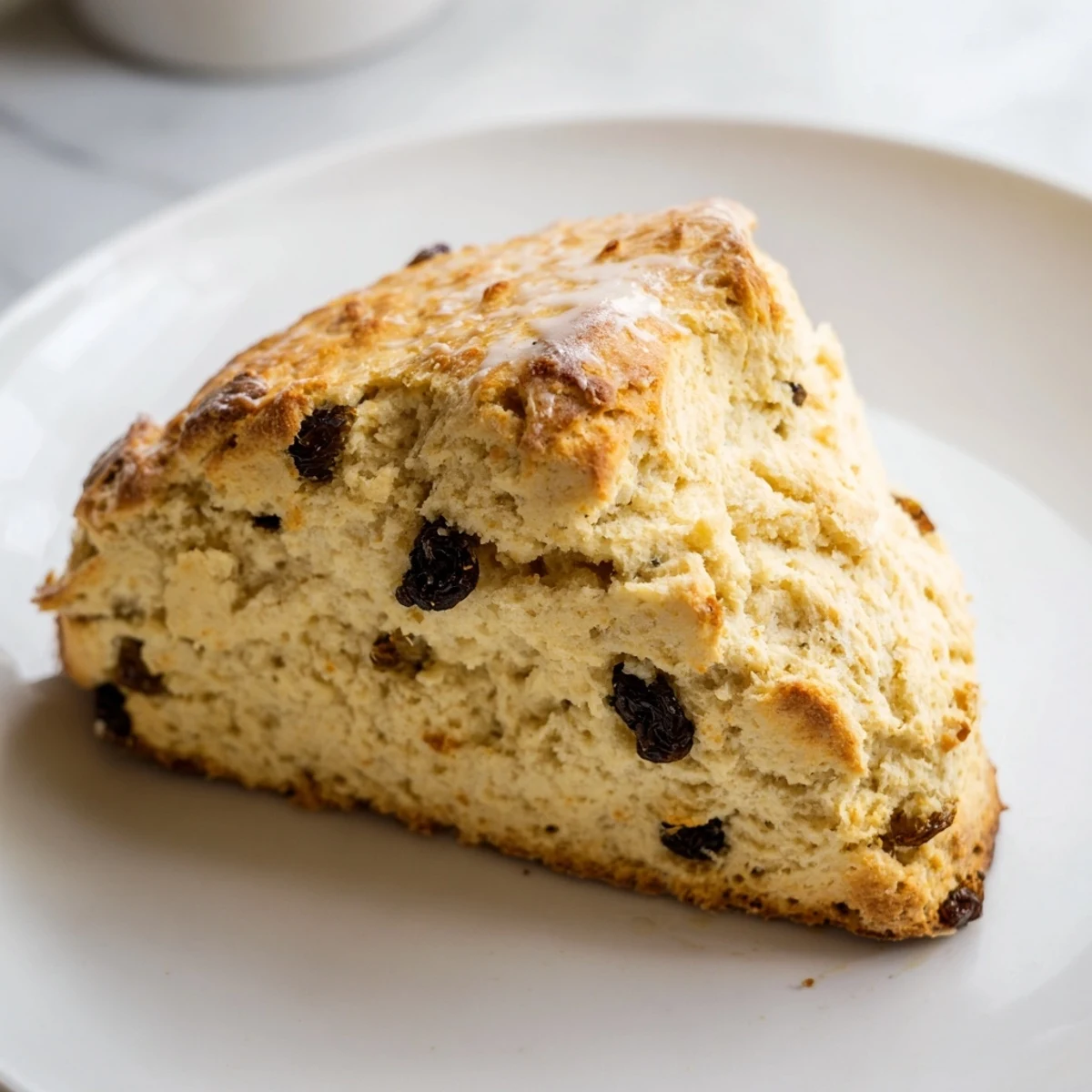
- Don't worry if the surface cracks while baking—that's where the best crunch happens.
 Save
Save There's something deeply satisfying about making bread that doesn't ask for much but gives back so much warmth in return.
Recipe FAQs
- → What gives these scones their tender texture?
-
The combination of buttermilk and melted butter, along with careful mixing, helps create a moist and tender crumb with a soft interior.
- → Can I substitute the currants with other dried fruits?
-
Yes, dried cranberries or chopped dried apricots work well as flavorful alternatives to currants.
- → Why is baking soda included alongside baking powder?
-
Baking soda reacts with the acidic buttermilk to help the scones rise and develop a light, airy texture while baking powder ensures proper leavening.
- → How should I shape the dough for even baking?
-
Pat the dough into a 1-inch thick circle, then cut into wedges and space them apart on the baking sheet for even heat circulation.
- → What is the purpose of brushing the tops with buttermilk before baking?
-
Brushing with buttermilk adds a slight glaze, enhancing the crust’s color and giving a subtle shine to the scones.